In Campeche, the handmade tells the same story as the architecture: the meeting of the Maya world, the Spanish inheritance and the trade of the port. Its crafts are not generic souvenirs but living trades, with techniques taught from parents to children. Here are five Campeche handcrafts worth knowing, and taking home.
1. The jipijapa hat of Becal
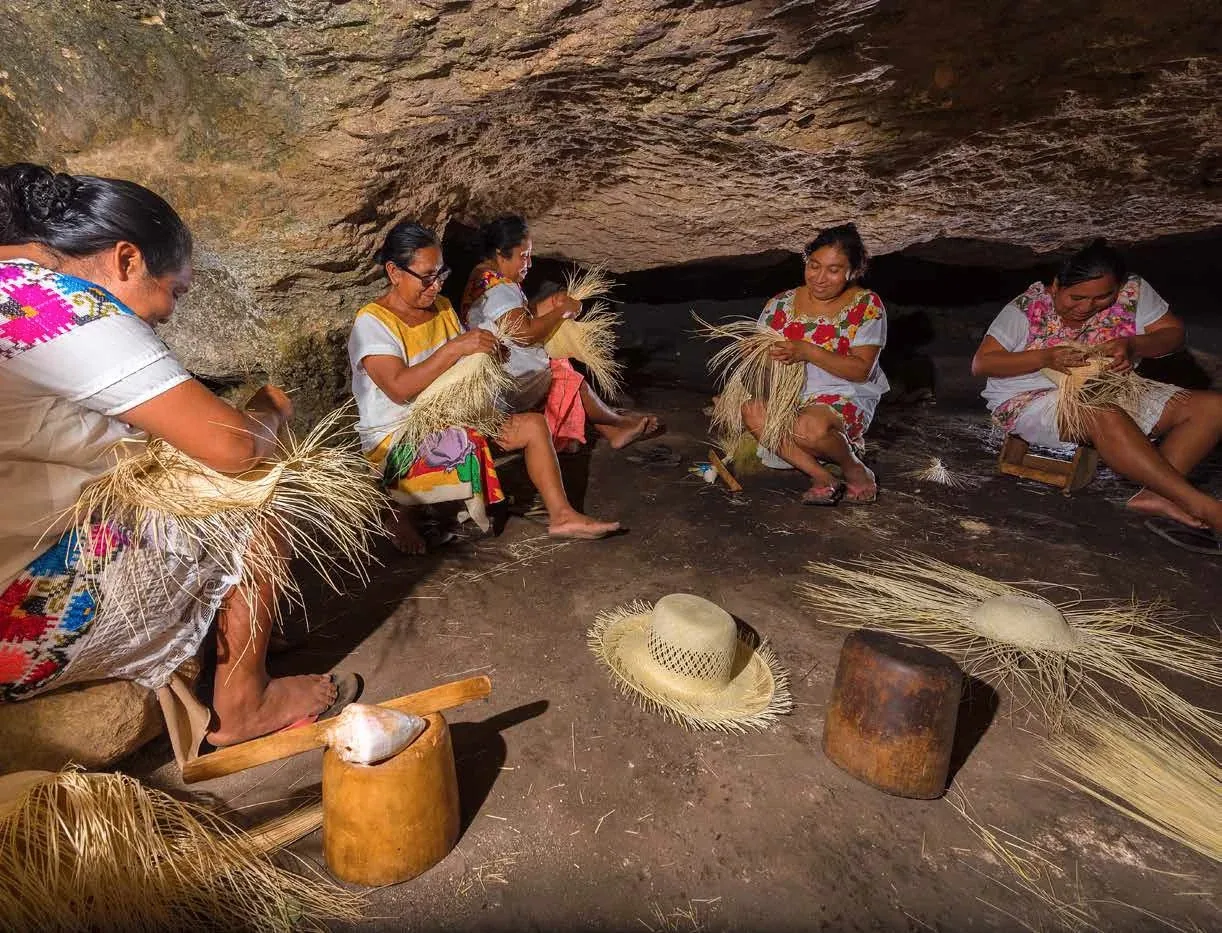
The most famous. In Becal, in the municipality of Calkiní, a day trip from the city, families weave the "Panama hat" from jipijapa fibre inside damp caves and cellars: the humidity keeps the fibre supple and allows an extremely fine weave. The best examples are so flexible they can be rolled up without breaking.
2. Counted-thread embroidery
The soul of the regional dress. Hand-embroidered by counting the threads of the cloth, it achieves floral and geometric motifs of perfect symmetry, almost always on a white or black ground. Each blouse or terno represents weeks of patient work.
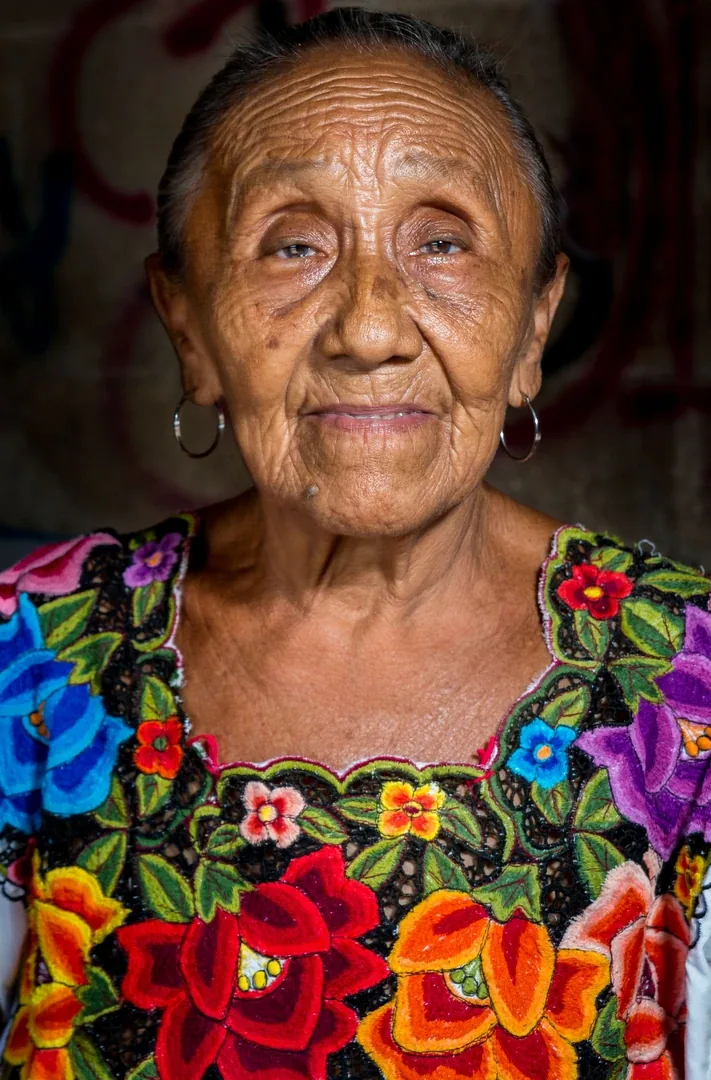
Counted-thread embroidery, the soul of the regional dress. · Photo: Gustavo Costa
3. Gold and silver filigree
The jewellery that completes the regional dress. Filigree works the finest threads of gold and silver, coiled and soldered into chains, earrings and rosaries of extraordinary delicacy, a goldsmith's inheritance of Andalusian root.
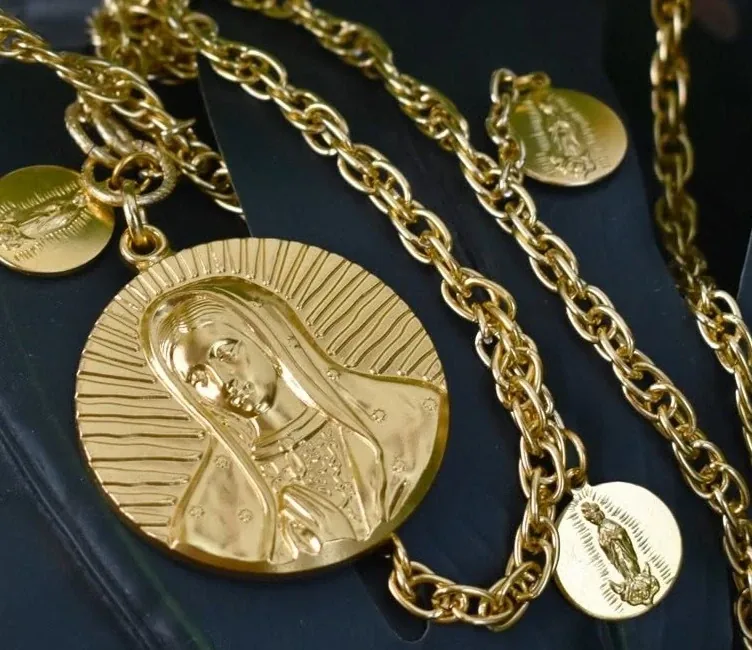
Filigree: threads of gold and silver coiled into jewellery.
4. Woven hammocks
A tradition shared across the whole Peninsula, the Campeche hammock is hand-woven in cotton or nylon, with thousands of crossings that give the net its strength and its famous coolness. To sleep in a good hammock is an initiation into the tropics.
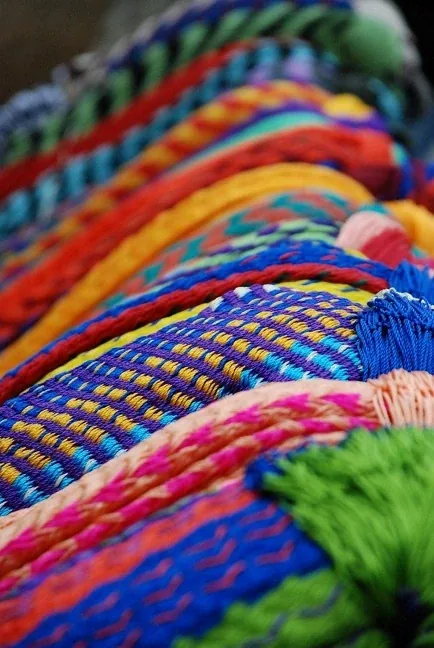
Hammocks and pottery, the everyday crafts of the region.
5. Clay and palm basketry
Clay pottery and the weaving of palm and vine round out the repertoire: pitchers, comales, baskets and mats of everyday use now also prized as design objects. A responsible note: tortoiseshell (carey) and black coral, historically worked in the region, are today protected and illegal to trade, the conscious traveller chooses fibres, clay and silver.
We design routes to Becal and the artisan workshops for our guests.
Discover our cultural experiences →| Craft | What it is | Where |
|---|---|---|
| Jipijapa hat | Panama woven in damp caves | Becal (Calkiní) |
| Counted-thread embroidery | Symmetrical motifs of the regional dress | Camino Real towns |
| Filigree | Goldsmithing in fine gold and silver thread | Workshops downtown |
| Woven hammocks | Hand-woven net, cool and strong | Across the Peninsula |
| Clay and basketry | Pottery and palm and vine weaving | Markets and workshops |
Where to see and buy them
In the city, the Tukulná crafts house, the San Pedro Bastion and the main market gather the best of the state; at the source, the workshops of Becal and the Camino Real towns (and the traditional neighbourhoods) let you buy directly from the maker, where the value stays where the piece was born. To place these trades in their historical and cultural context, explore the cultural side of Casonas MX and choose a heritage home from which to explore.
How to care for each piece
One tip per craft: a fine jipijapa hat rolls up without fear (that is precisely its test of quality) and prefers humidity to a car dashboard's sun; counted-thread work is washed by hand and dried in the shade; filigree is stored dry. And the golden rule of any travel purchase: the piece that tells a story, of who made it and where, is always worth more than the one that merely fills the suitcase.
Frequently asked questions
What handcrafts are typical of Campeche?
The jipijapa ("Panama") hat from Becal, the counted-thread embroidery of the regional dress, gold and silver filigree, woven hammocks, and pottery and palm basketry. Each is rooted in trades passed down from one generation to the next.
Where are the jipi hats made?
In Becal, in the municipality of Calkiní. They are woven in damp caves and cellars, because the humidity keeps the jipijapa fibre supple and allows a fine, tight weave. The best examples can be rolled up without cracking.
What is counted-thread embroidery?
A hand-embroidery technique that counts the threads of the cloth to achieve perfectly symmetrical geometric and floral motifs. It is the soul of Campeche's regional dress, usually on a white or black ground.
Where can you buy authentic crafts in Campeche?
At the Tukulná crafts house in the historic centre, at the San Pedro Bastion, and directly from the artisans of Becal and the neighbourhoods. Look for handmade pieces and avoid industrial imitations.
Is it legal to buy tortoiseshell or black coral?
No. Tortoiseshell (carey) and black coral are protected and their trade is illegal. Although historically worked in the region, today a responsible traveller chooses fibres, clay, silver and other sustainable materials.
How do you recognize a fine jipi?
By the thinness of the fiber and the density of the weave: the finest roll up and spring back into shape. That flexibility is the signature of the Becal caves where they are woven.
Reviewed and fact-checked in July 2026 by the Casonas MX editorial team in Campeche. Tortoiseshell and black coral are protected species and illegal to trade in Mexico (PROFEPA/CONANP); the responsible traveller chooses fibres, clay and silver. We design routes to Becal and the artisan workshops from your casona.
Planning your trip? Write to us on WhatsApp and we will send you Campeche in 72 Hours, our pocket guide, free of charge.
Receive the guide on WhatsApp →