Campeche is meant to be eaten slowly. Far from the bustle of other destinations, this walled city keeps one of the most singular, and least-told, cuisines in Mexico: a table that faces the Gulf, blends Maya roots with Caribbean echoes, and is served in markets, seafood houses and heritage-home courtyards. Here are the five reasons it deserves a culinary trip of its own.
1. A generous sea at the door
Campeche is one of the country's leading fishing states and, with Yucatán, leads national octopus production, alongside its famed shrimp. That abundance shapes the whole cuisine: fish and shellfish are not one option among many but the centre of the table, fresh each day.
2. A regional cuisine with its own identity
It is often confused with Yucatecan food, but Campeche has its own accent. It shares achiote, sour orange and the Maya inheritance, yet its larder is marine and it absorbed influences from port trade and the Caribbean. Pan de cazón is its signature; few dishes sum up a place so well.
3. A market and street-food culture
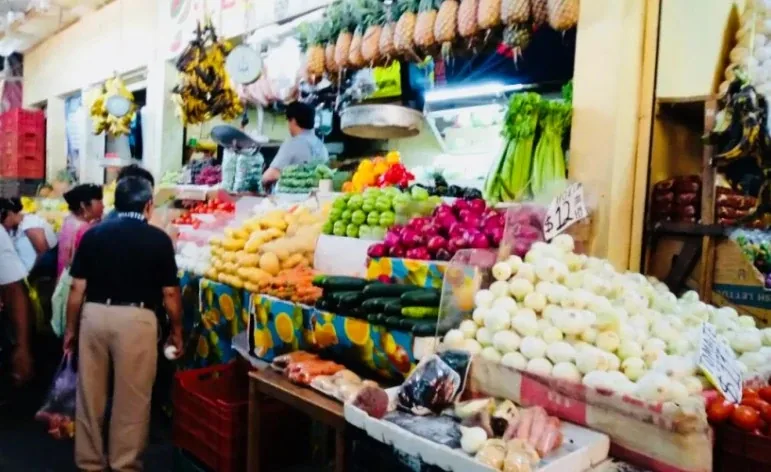
The real Campeche cooking is lived in the street: the main market at dawn, the neighbourhood seafood houses, the stalls of panuchos, salbutes and codzitos. To eat here is also to get to know the city and its people.
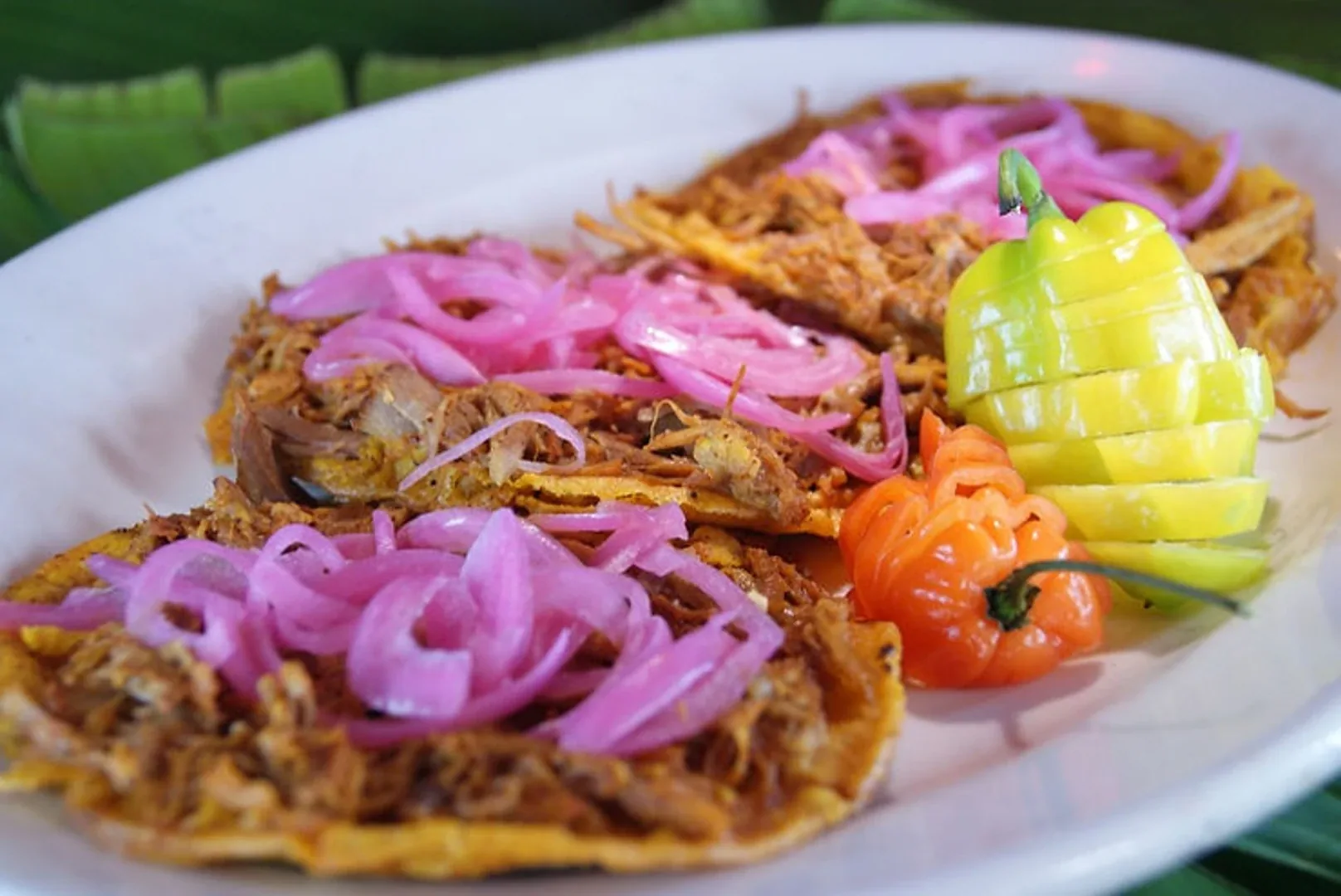
Campeche antojitos: panuchos, salbutes and codzitos from the stalls.
4. A centuries-old dessert tradition
A legacy of convents and of the port, Campeche's pastry-making is a world apart: cocadas, candied fruits, dulce de ciricote, marquesitas and festival breads. The sweet shops of the centre are a visit in themselves.
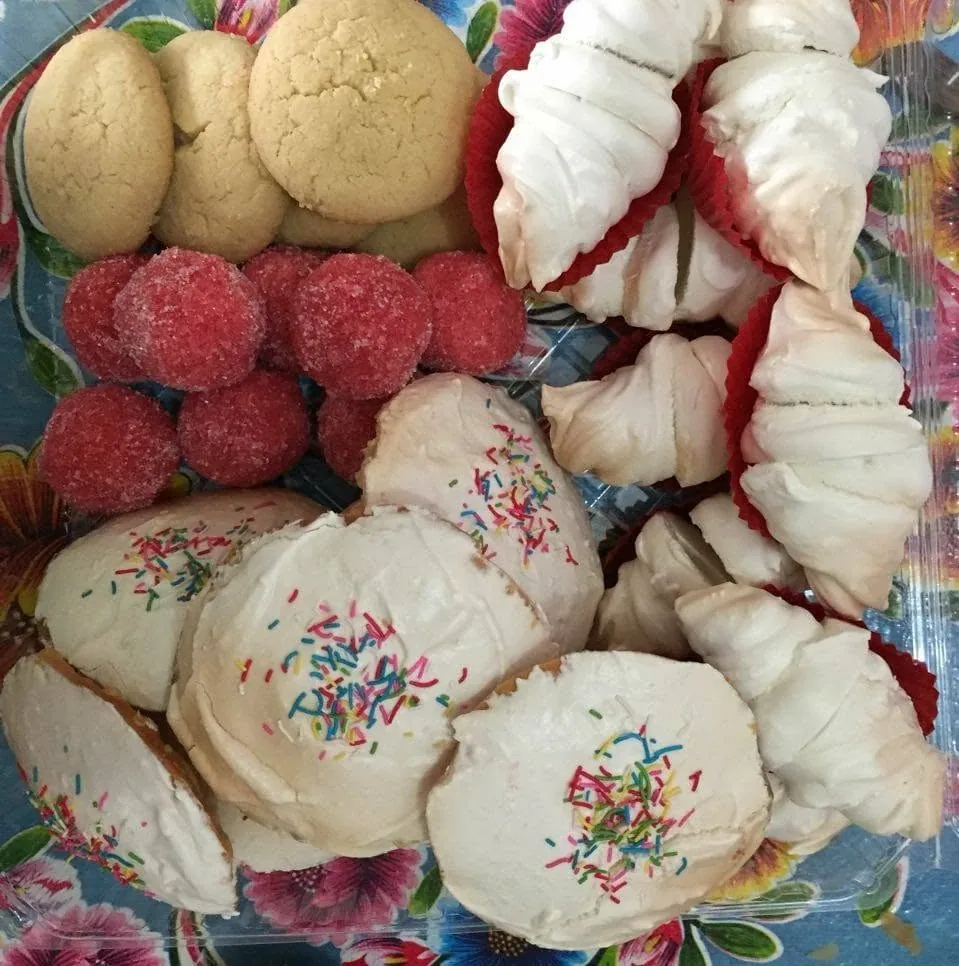
Campeche's sweet tradition, a legacy of convents and cocadas.
5. Private gastronomy in a heritage home
The most memorable experience is not on a menu but at a table of your own. At Casonas MX, a local chef can cook the day's market in your courtyard, pairing regional produce with the calm of the walled city, a way to taste Campeche unhurried and uncrowded.
We design private meals with local chefs around your courtyard table.
Explore our experiences →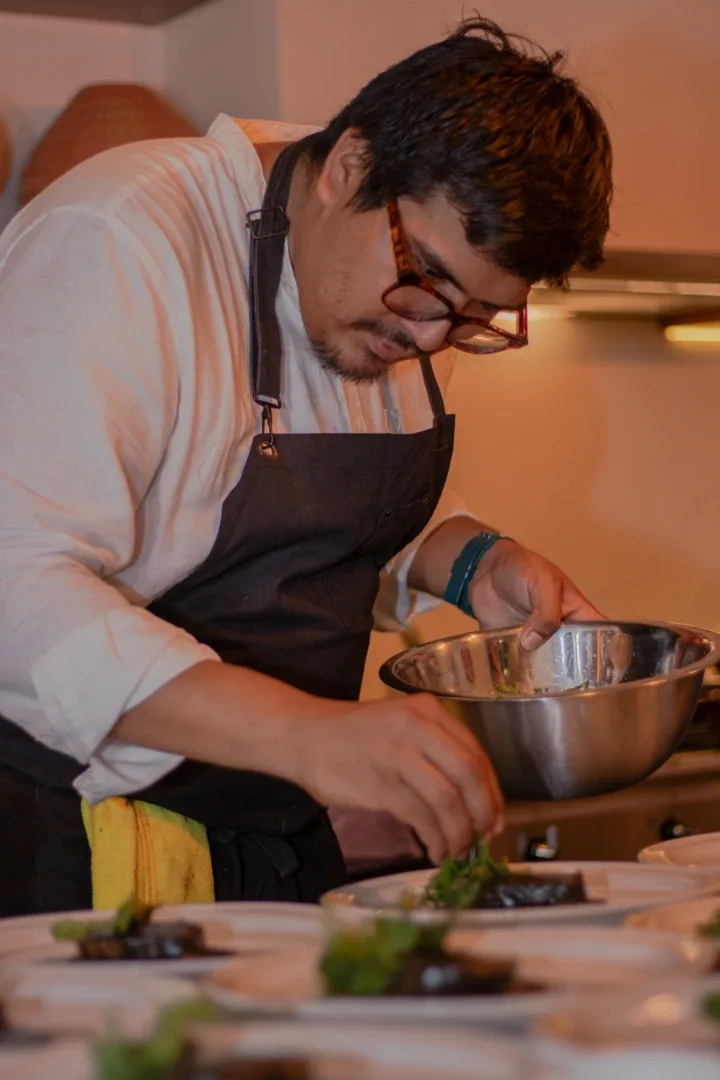
Private gastronomy: the day's market cooked at your table. · Photo: Gonzalo Origen
Go deeper
Begin with our guide to the ten essential seafood dishes, discover where to eat in the traditional neighbourhoods, and understand how the port and its maritime history also shaped its larder. When you are ready to stay, choose your heritage home.
| Dish | What it is | Where to try it |
|---|---|---|
| Pan de cazón | Layered tortillas with dogfish and tomato sauce | Neighborhood fondas and seafood spots |
| Octopus & shrimp | Gulf catch, the heart of the table | Seafood spots by the market |
| Coconut shrimp | Shrimp in coconut batter, sweet and savory | Historic-center restaurants |
| Antojitos | Panuchos, salbutes and codzitos | Stalls and the main market |
| Sweets | Coconut candies, ciricote, candied fruit | Historic-center confectioners |
The Campeche pantry
What sets this cuisine apart begins before the recipe: in the pantry. Cazón and pámpano from the Gulf, shrimp embracing coconut, achiote that stains and perfumes, sour orange that corrects and awakens. On that base, centuries of Hispano-Maya conversation produced a repertoire that resembles neither Mérida's nor Veracruz's: more sea, less noise. The way to understand it is to eat it in order: first the market in the morning, then a neighborhood fonda, and finally the chef's version served in the house courtyard, where the culinary experience turns the day's pantry into a multi-course dinner. The repertoire in detail, dish by dish, is in the seafood guide.
Frequently asked questions
Why is Campeche a good food destination?
Because it brings together a generous sea, a regional cuisine with its own identity, a centuries-old dessert tradition and a very living market-and-street-food culture, all within a UNESCO World Heritage centre where you eat exceptionally well and without the crowds.
How is Campeche cuisine different from Yucatecan food?
Although they share Maya roots and ingredients such as achiote and sour orange, Campeche looks more to the sea: its larder is marine, cazón, octopus, shrimp, and it absorbed Caribbean and port-trade influences that set it apart.
What should you eat in Campeche?
Pan de cazón first of all, plus octopus, coconut shrimp, seafood cocktails and local antojitos like panuchos and codzitos. And, for dessert, the traditional Campeche sweets.
Where should you eat in Campeche?
From the main market and the neighbourhood seafood houses to restaurants in the historic centre. The most memorable option is a private meal with a local chef in a heritage home, around the courtyard table.
Is there a dessert tradition in Campeche?
Yes, a deeply rooted one. The sweet shops offer cocadas, candied fruits, dulce de ciricote, marquesitas and festival breads, a legacy of convents and of the port.
What makes Campeche's cuisine different?
Its Gulf pantry (cazón, pámpano, shrimp) and the Hispano-Maya conversation that seasons it with achiote and sour orange: a repertoire with more sea and less noise than its peninsular neighbors.
Can you live this cuisine inside the house?
Yes: the Casonas MX culinary experience brings the market visit, the cooking class and the multi-course dinner to the courtyard of your own home.
Reviewed and fact-checked in July 2026 by the Casonas MX editorial team in Campeche. Campeche is among the country's leading fishing states and, with Yucatán, leads national octopus production (SADER). We design private culinary experiences inside the walled city.
Planning your trip? Write to us on WhatsApp and we will send you Campeche in 72 Hours, our pocket guide, free of charge.
Receive the guide on WhatsApp →