Architecture & Heritage
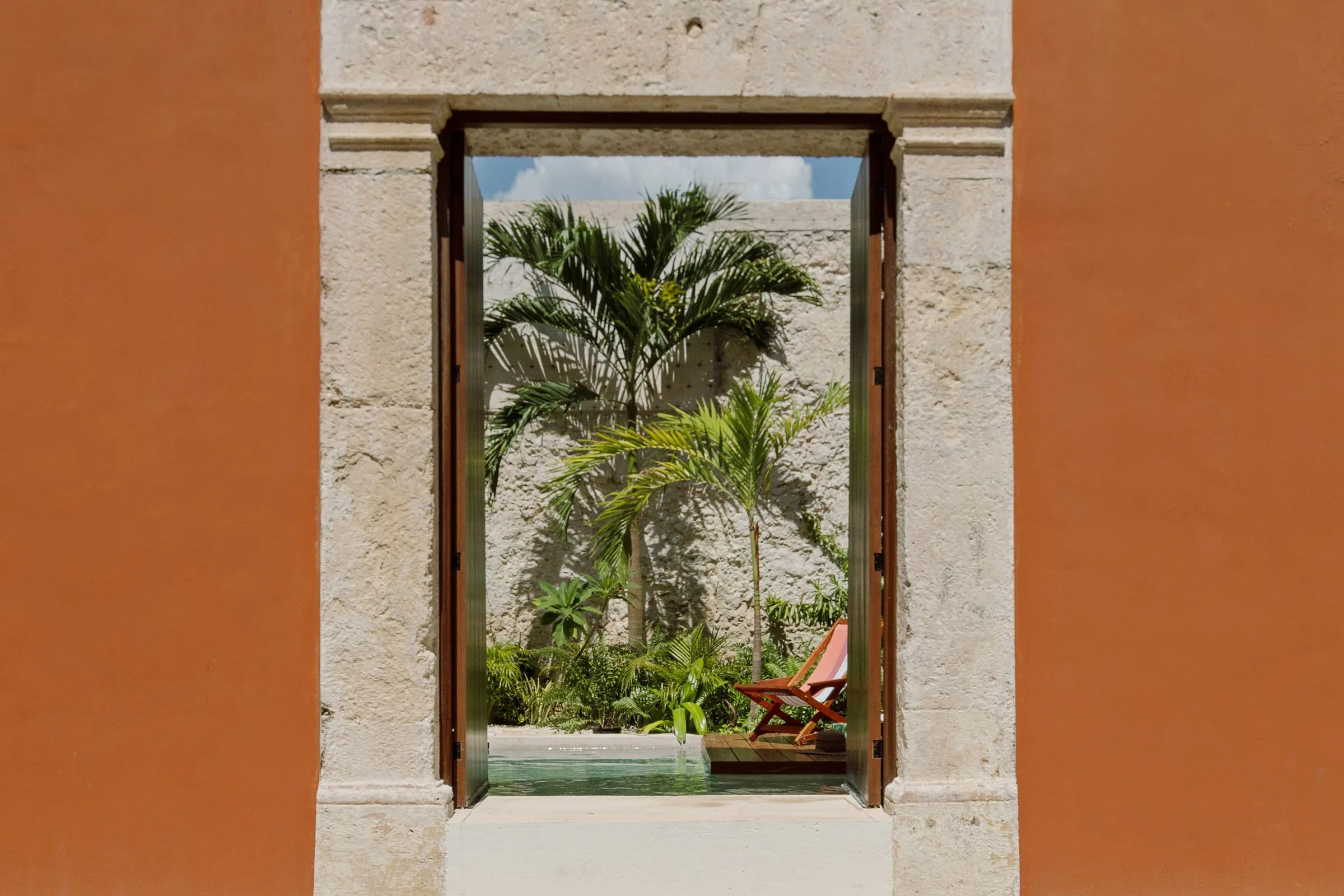
A house hotel you explore on foot: nine historic houses, eleven stays and the walled-city streets that connect them.
Read more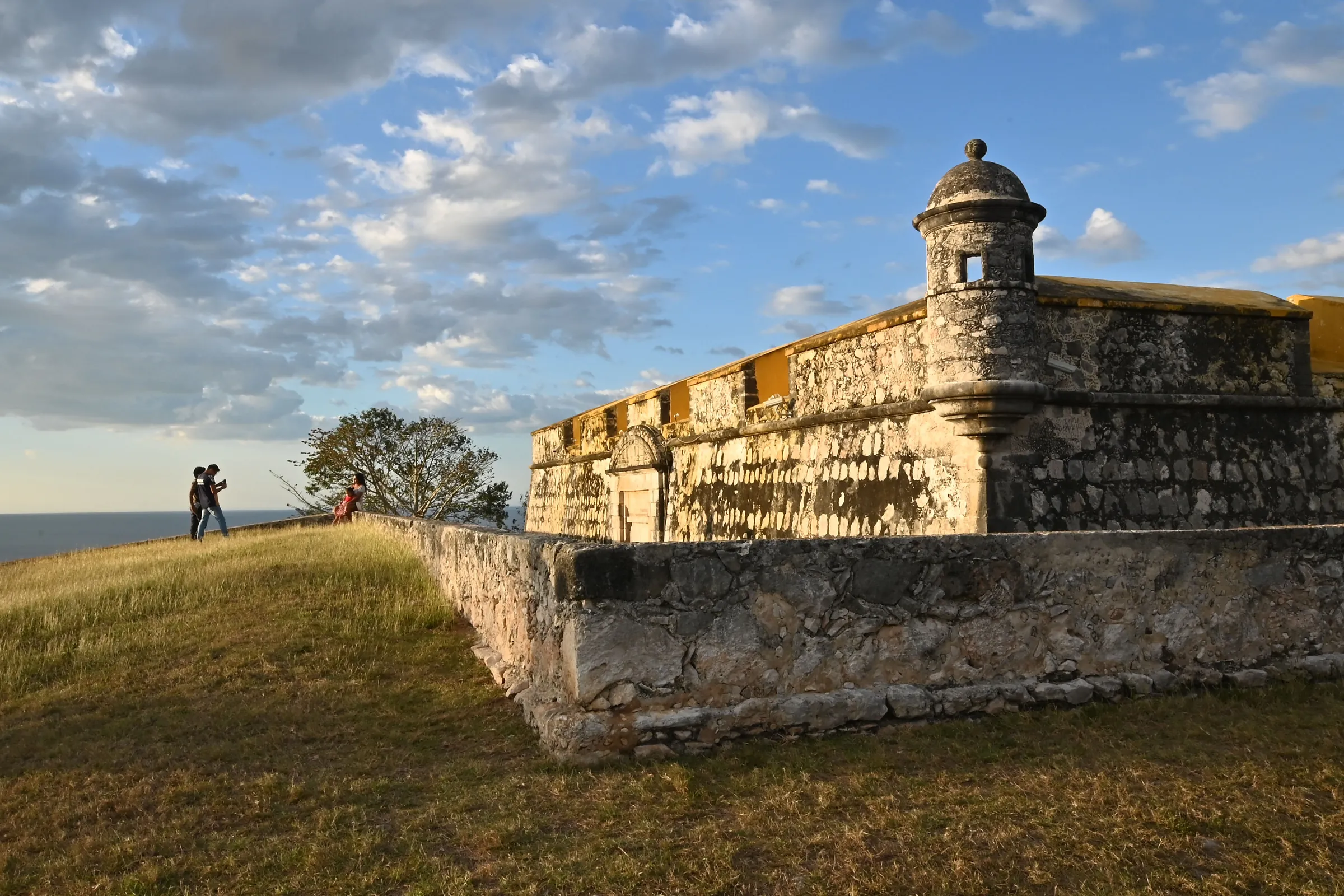 Campeche Journal
Architecture · Heritage · Slow Travel
Credit: Delio Carrillo
A house hotel you explore on foot: nine historic houses, eleven stays and the walled-city streets that connect them.
Read more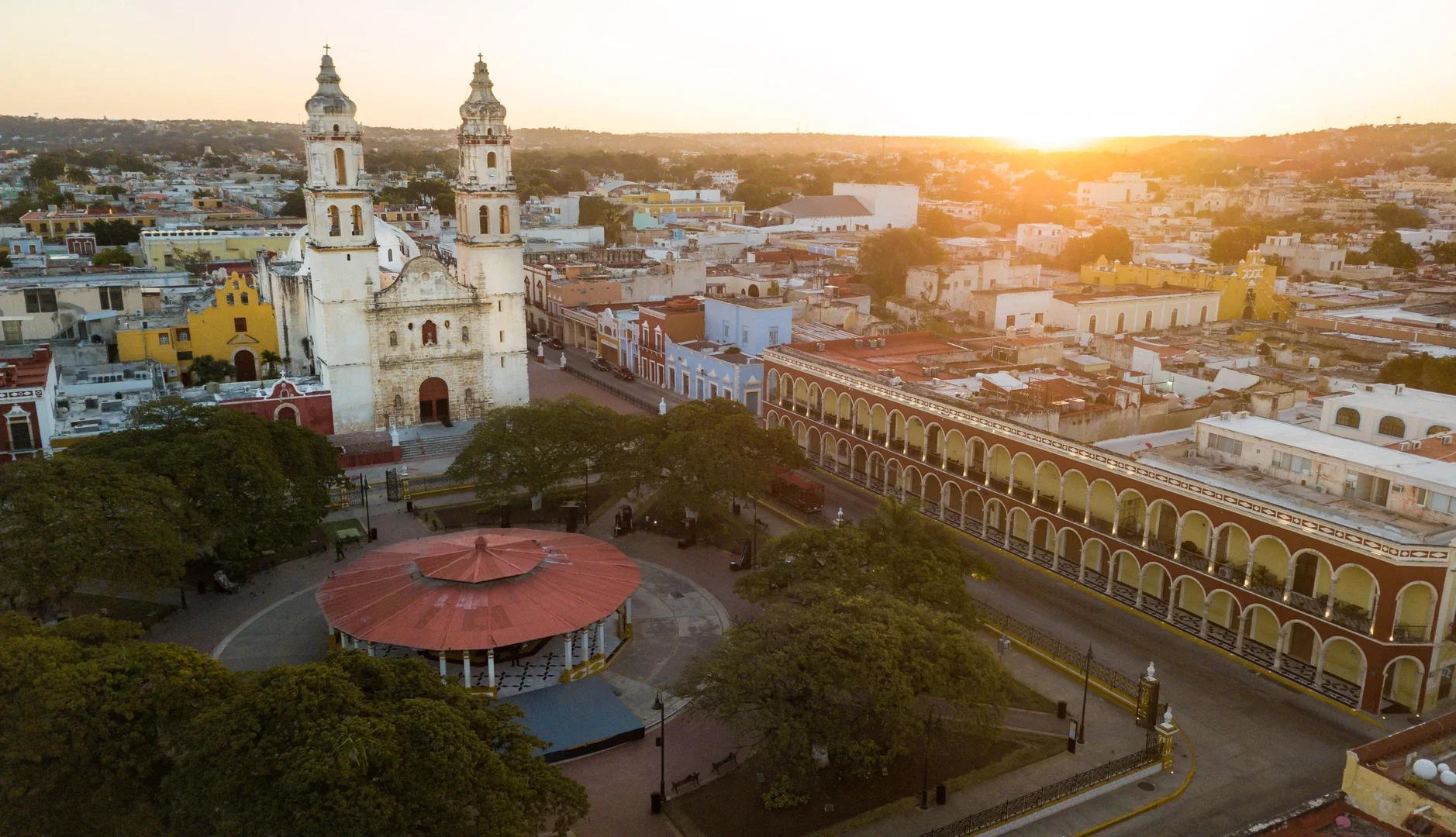
Three nights in Campeche and two in Mérida: a six-day route that flips the usual order and leaves Mérida for last.
Read more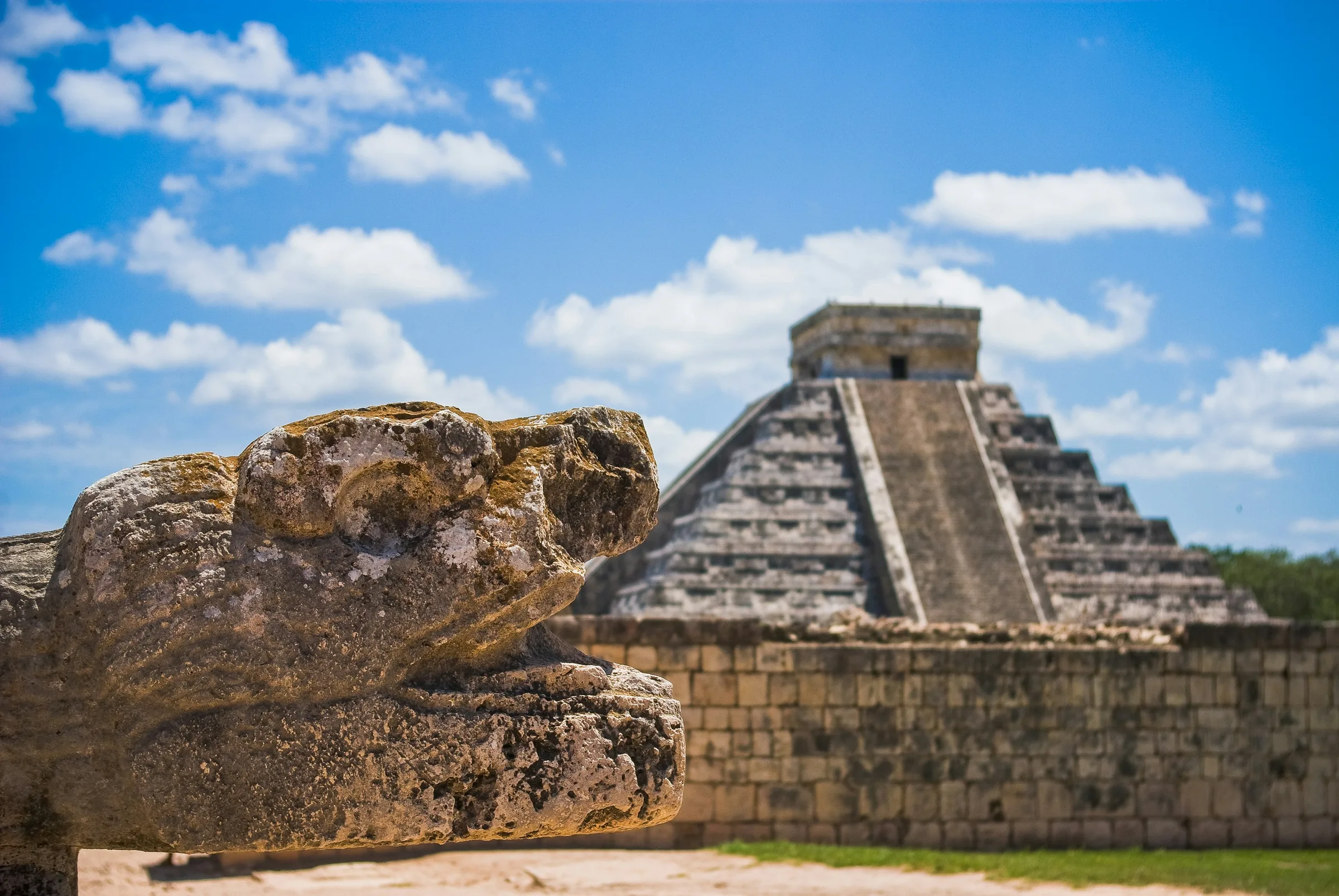
Cancún, Valladolid, Chichén Itzá, Mérida, Uxmal and Campeche in seven days and six nights, with shorter and car-free options.
Read more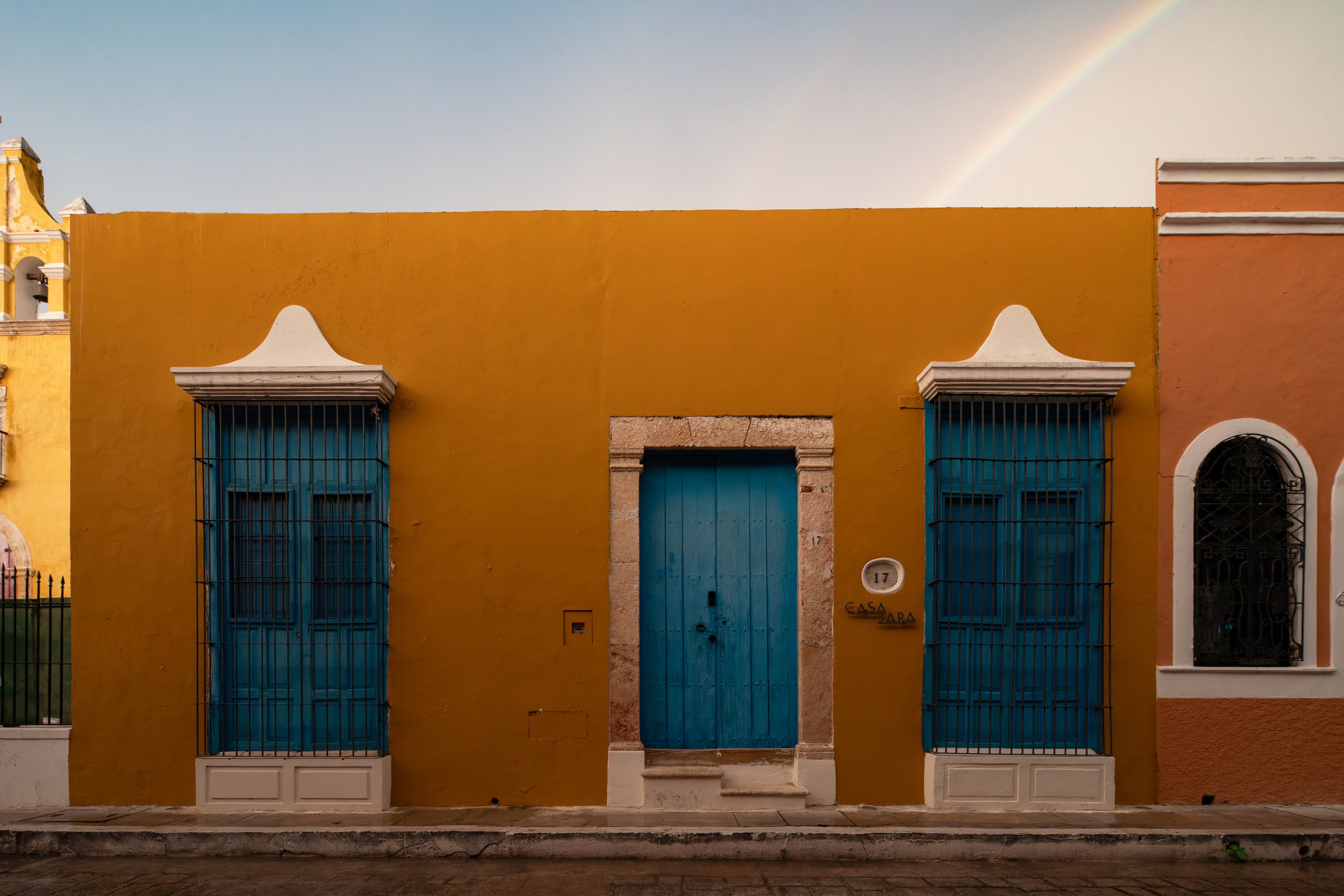
The largest house in the collection is part of the MICHELIN Guide hotel selection. What that selection means, how it differs from a star and from a Key, and how the house is booked.
Read more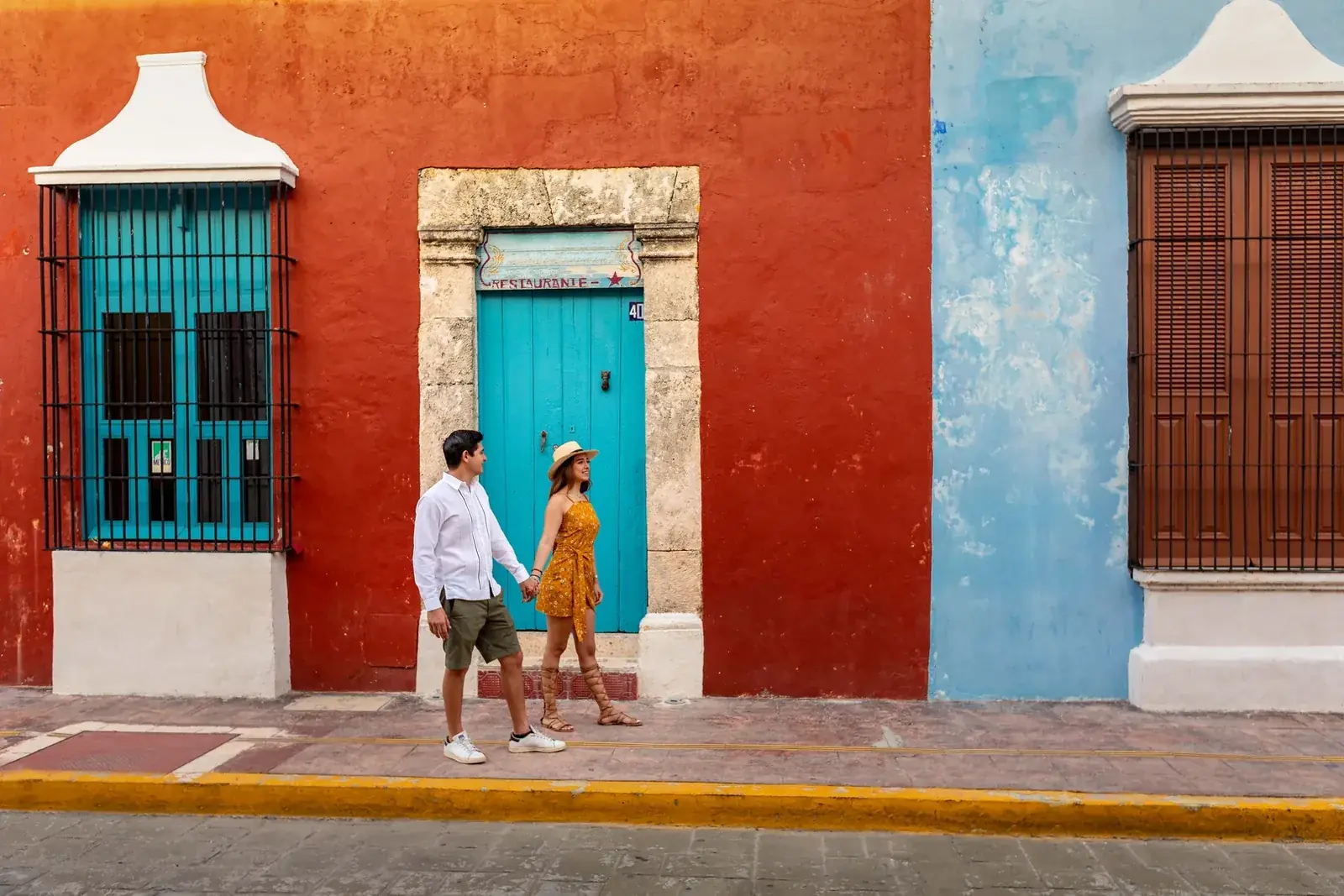
Yes, you can, and the city rewards those who stay far more. The honest answer to how many days you need, with the three-night itinerary that turns the stopover into a destination.
Read more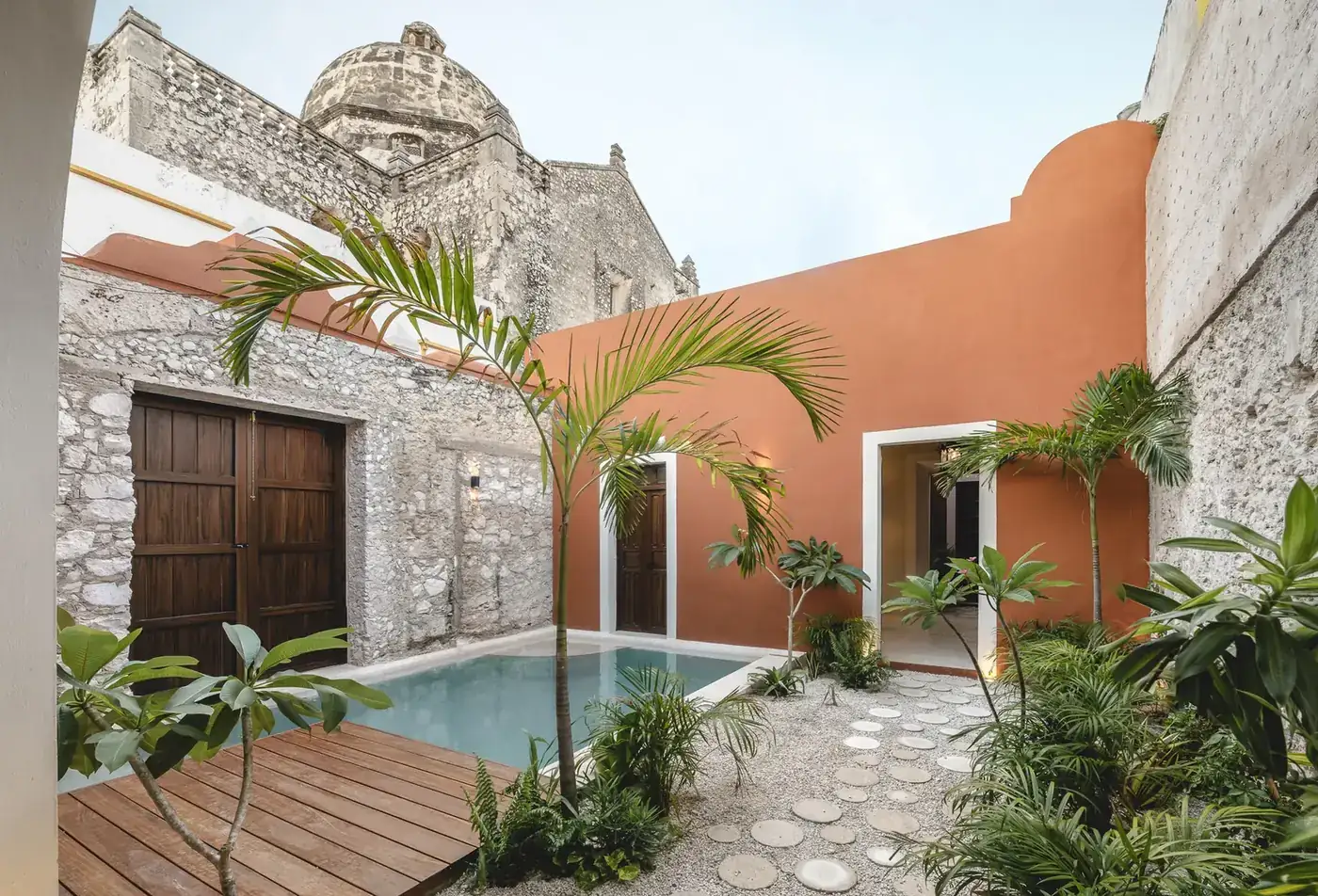
Original pasta-tile floors preserved, the roof rebuilt at its original height and a chukum pool with the former San José temple as its backdrop. The second case in our restoration series.
Read more
Entire private homes with concierge, resident cook and hotel service. What a house hotel is, how it differs from a boutique hotel and a vacation rental, and how it works in the walled city.
Read more
Original beams and pasta-tile floors kept, lime-rendered walls and a contemporary annex. The anatomy of a heritage restoration inside the walled city, and the process that authorizes it before INAH.
Read more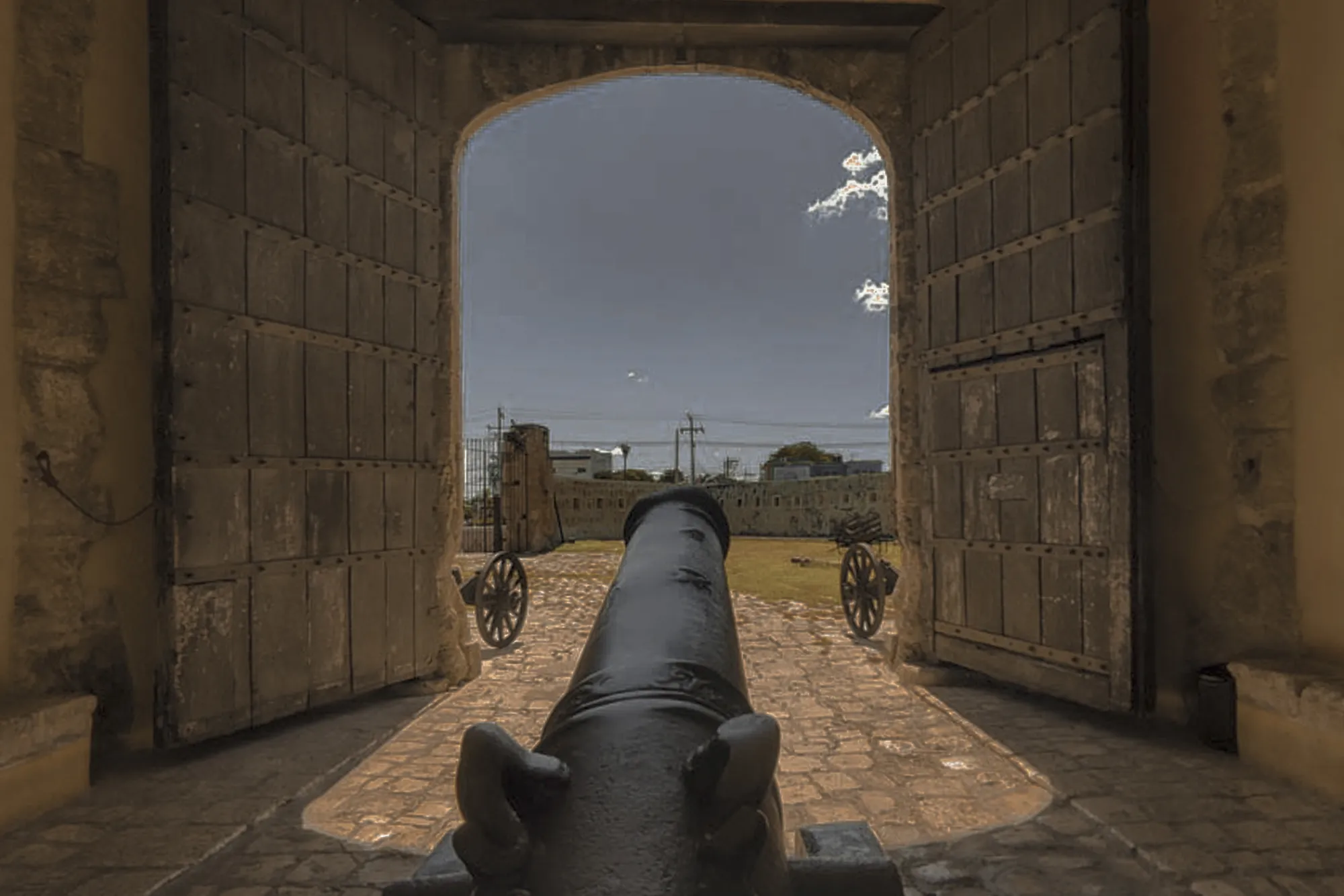
Some cities are explained by a map, others by a wall. The complete guide to the 1686 hexagon: seven bastions with second lives, two gates and the walls you can still walk today.
Read more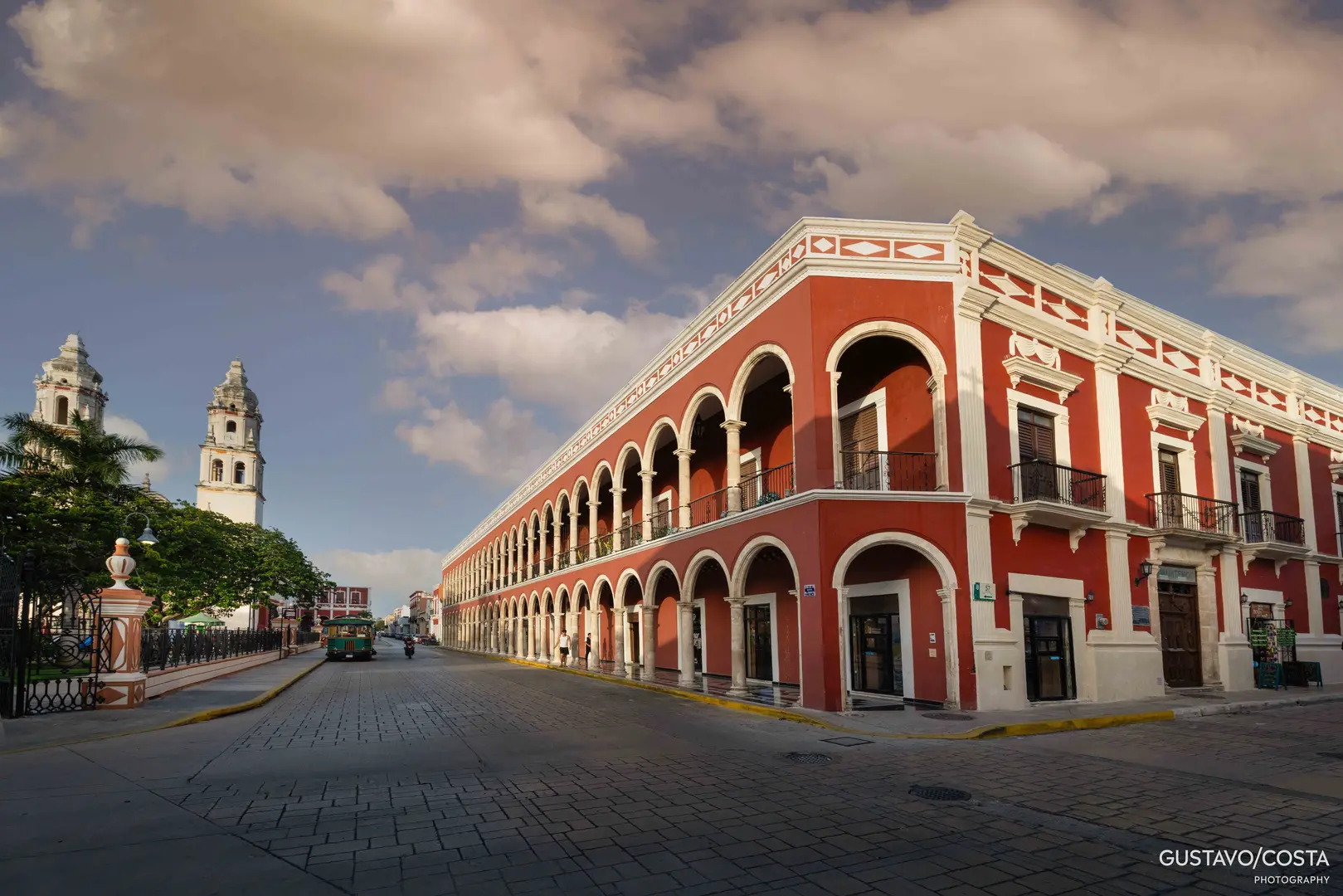
Some corners mark more than the meeting of two streets; they mark the meeting of centuries. Seat of the Casa Real, birthplace of a Trafalgar sailor, an empress's hotel by legend: five lives of one building.
Read more
Yes, the Tren Maya reaches Campeche. The station, connections from Mérida, Cancún and the Palenque route, the light rail to the walled center, and when the train beats the plane or the car.
Read more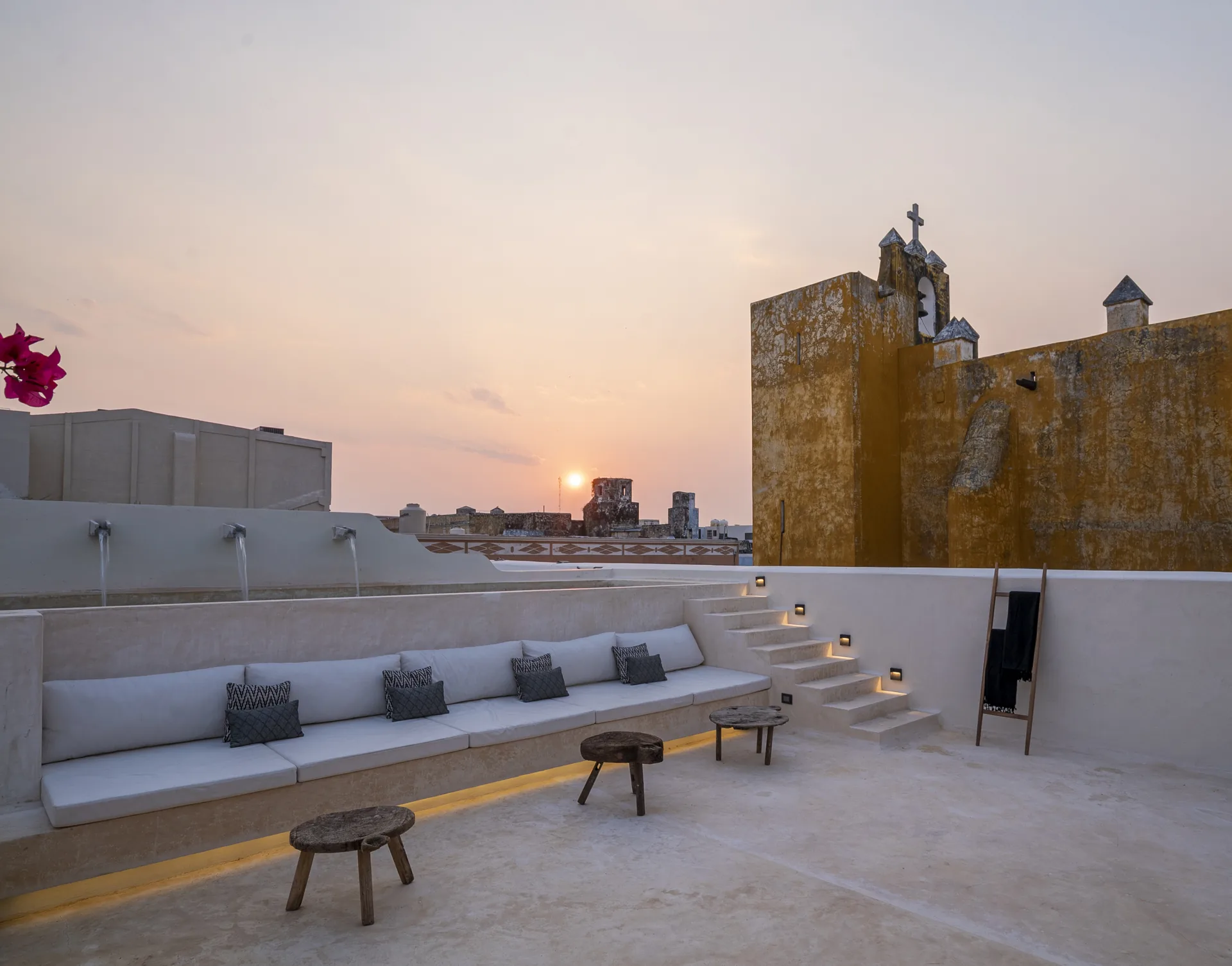
How many days does Campeche need? Four, five with Calakmul. The master itinerary day by day: the walled city, the neighborhoods and their cooking, Edzná and the forts, countryside or coast, and the jungle for the ambitious.
Read more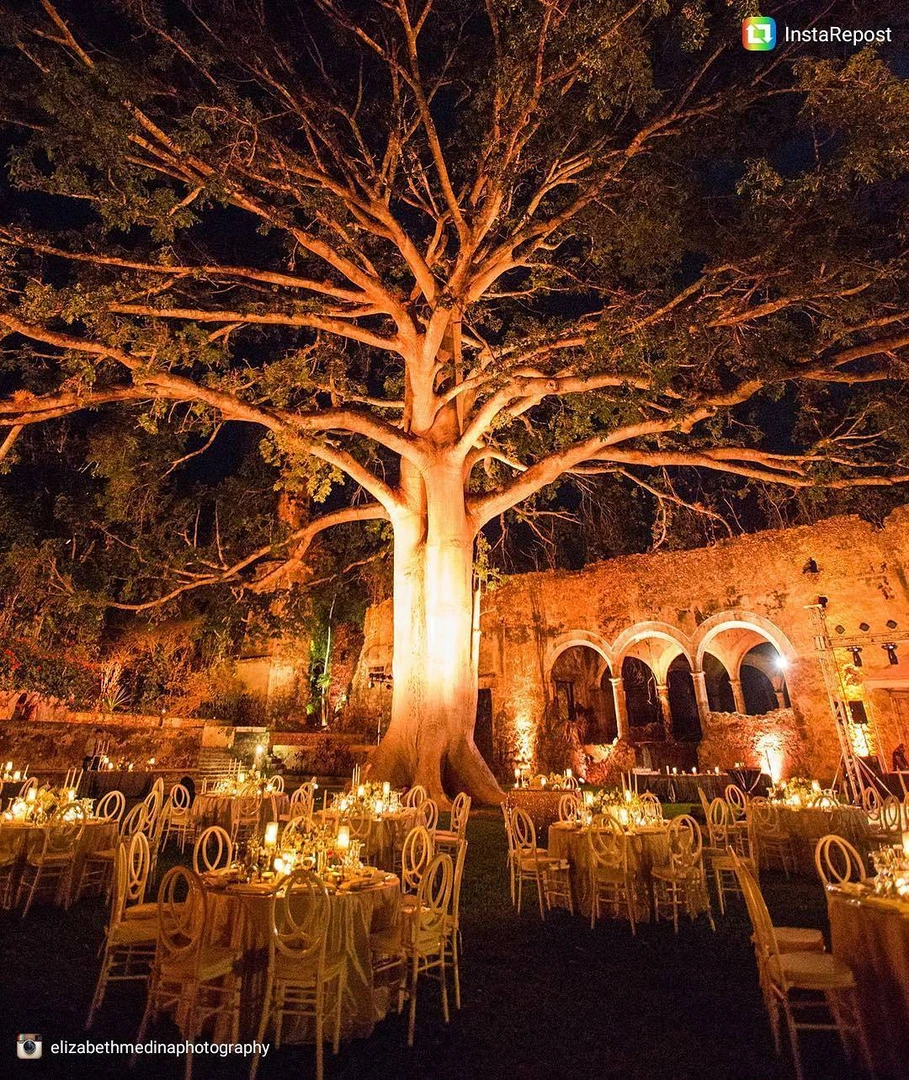
The monumental one and the urban one: what sets each hacienda apart, how they are visited today as event venues, which to choose for a wedding, and the answer to the question that follows: where to sleep.
Read more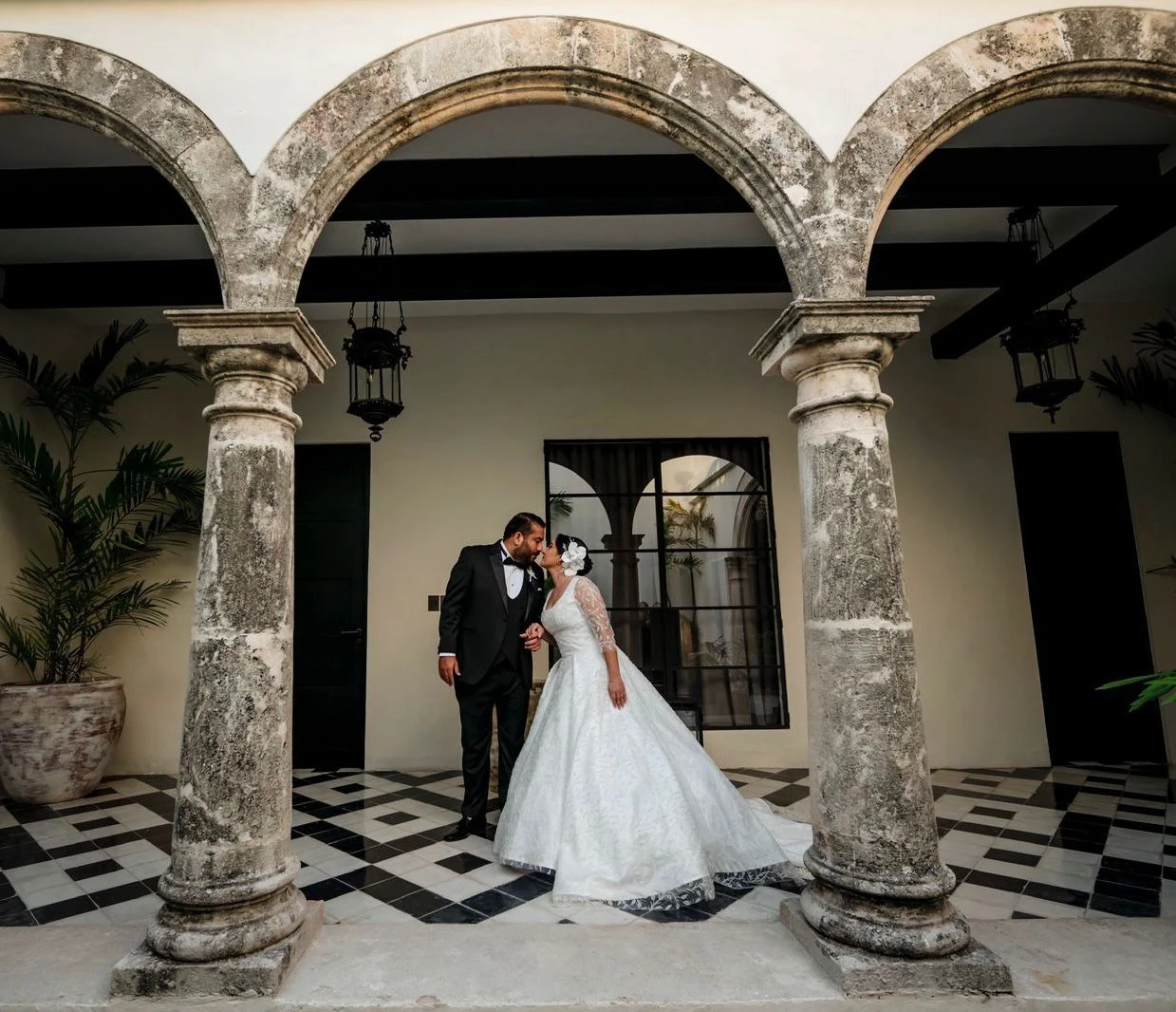
Campeche doesn’t have one great venue: it has an entire city that works as one. Casona courtyards, the Cathedral, 17th-century bastions, haciendas and seaside ceremonies, and how to combine them with lodging.
Read more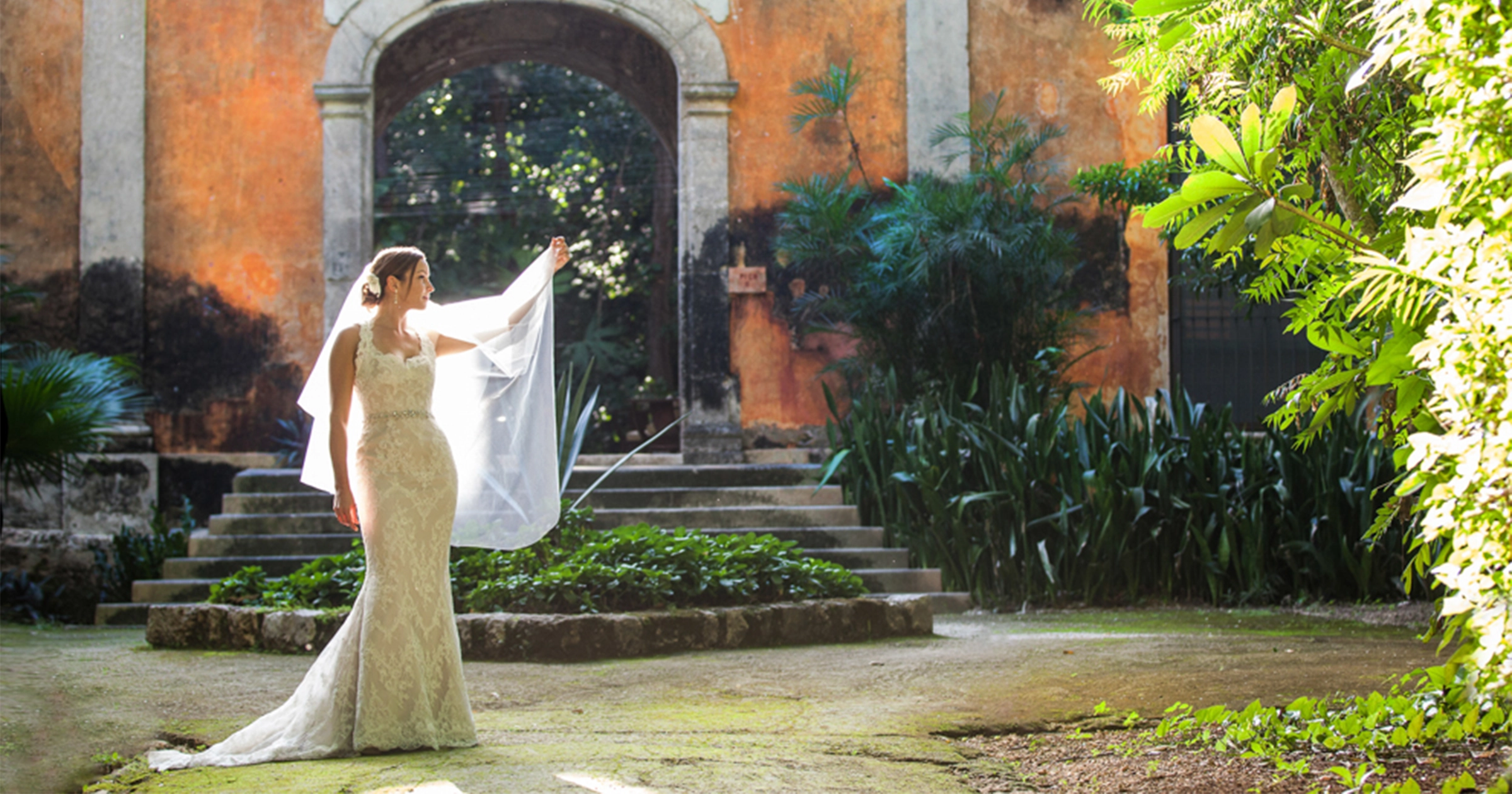
Mexico’s Ministry of Tourism calls it the country’s most romantic destination. Why the walled city is the best-kept secret for a destination wedding: settings, flavors and private homes for 58 guests.
Read more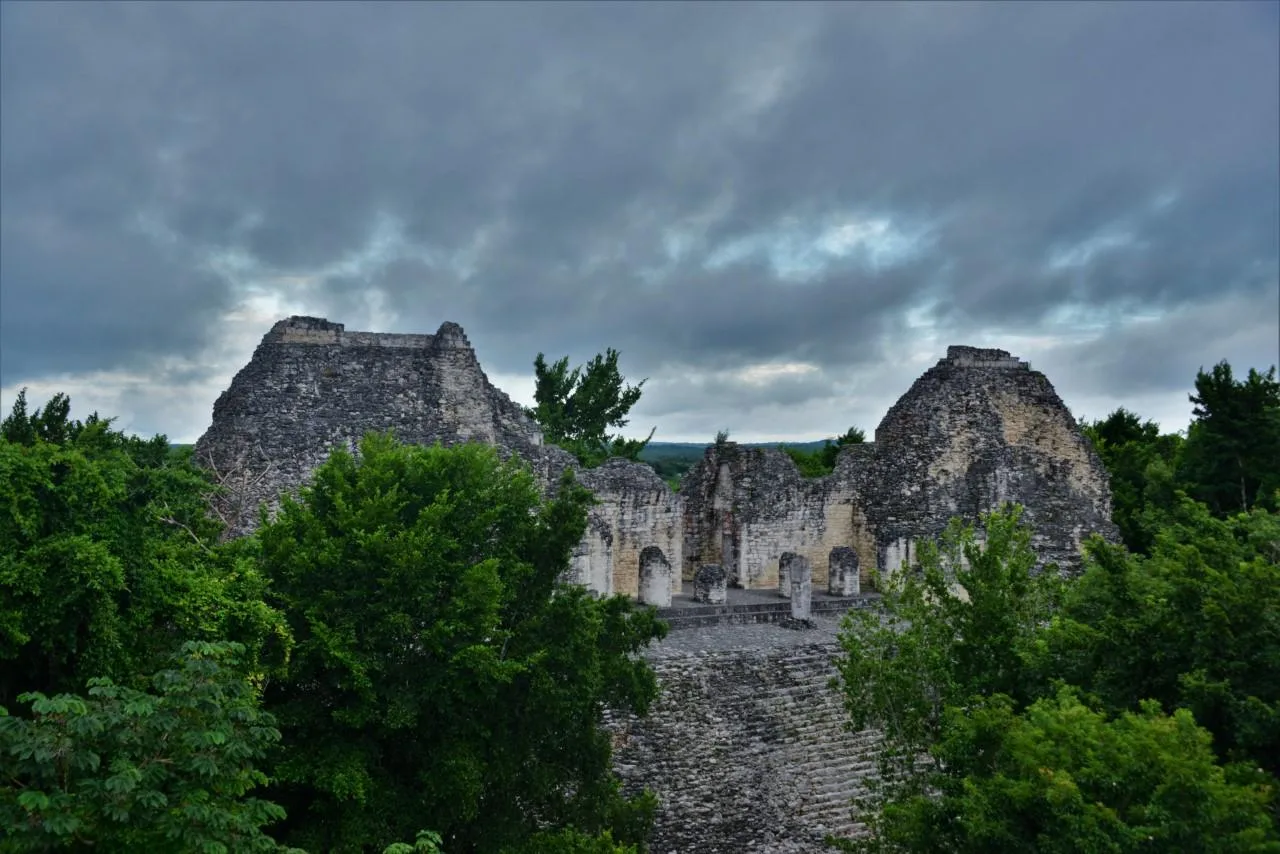
Petén, Río Bec, Chenes and Puuc — the four great schools of Maya architecture all lie within reach of Campeche. A guide to reading a civilization in stone, and where to stay.
Read more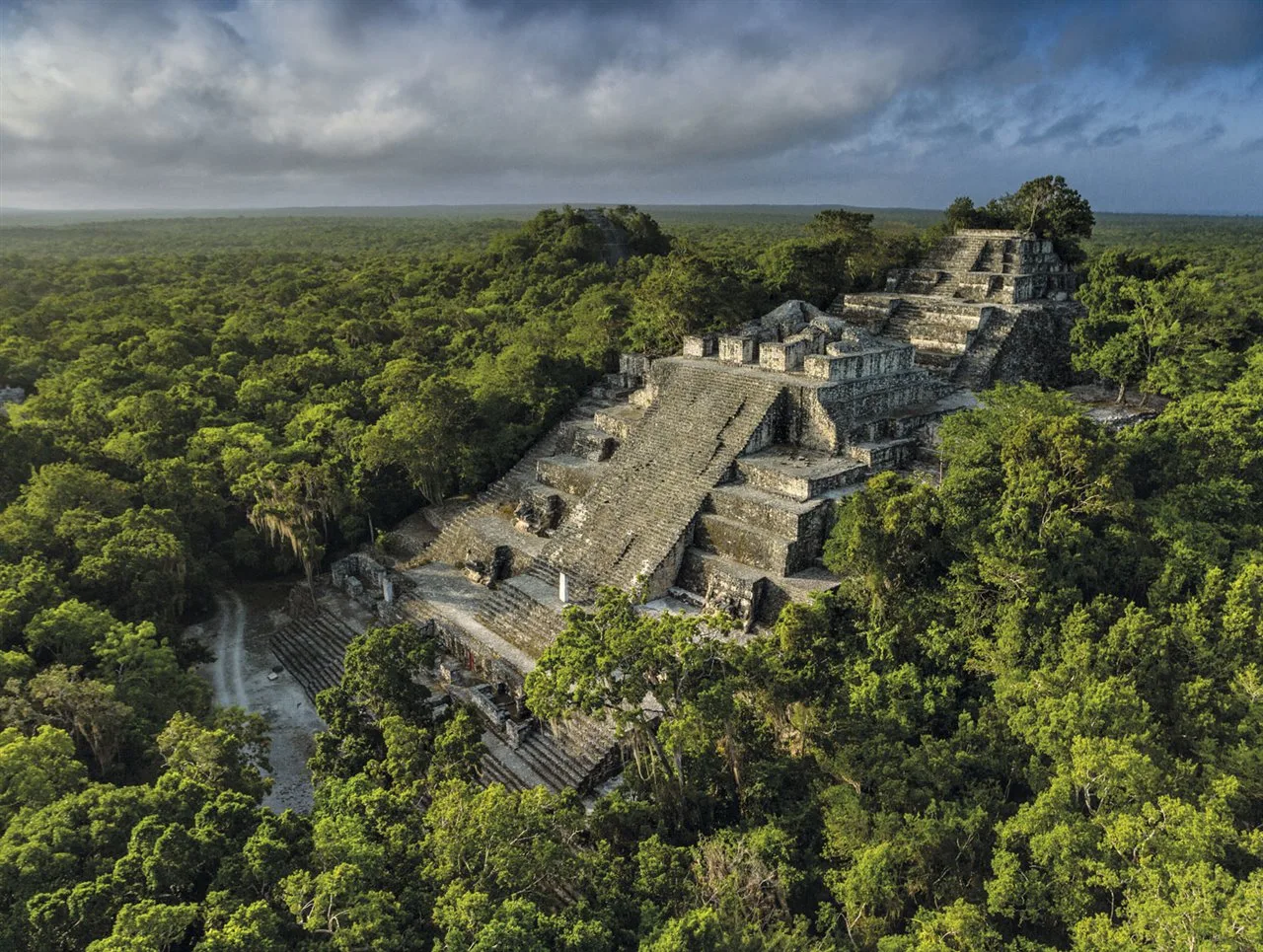
The capital of the Maya Snake Kingdom, lost in Mexico's largest jungle — a Mixed UNESCO World Heritage site, and how to visit it from the walled city of Campeche.
Read more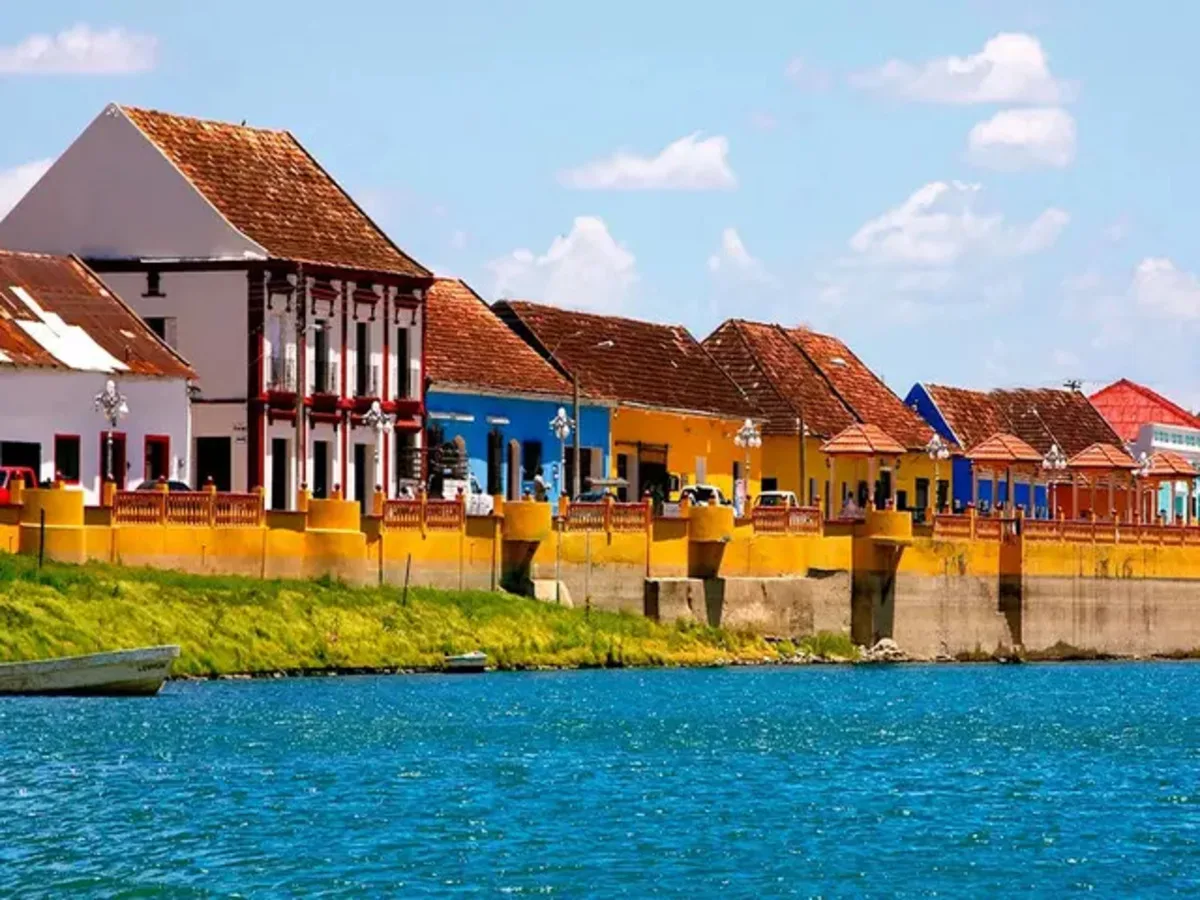
Palizada, Isla Aguada and Candelaria — Campeche's three Pueblos Mágicos: French-tiled river towns, a wild dolphin sanctuary and a lost Maya capital beyond the walls.
Read more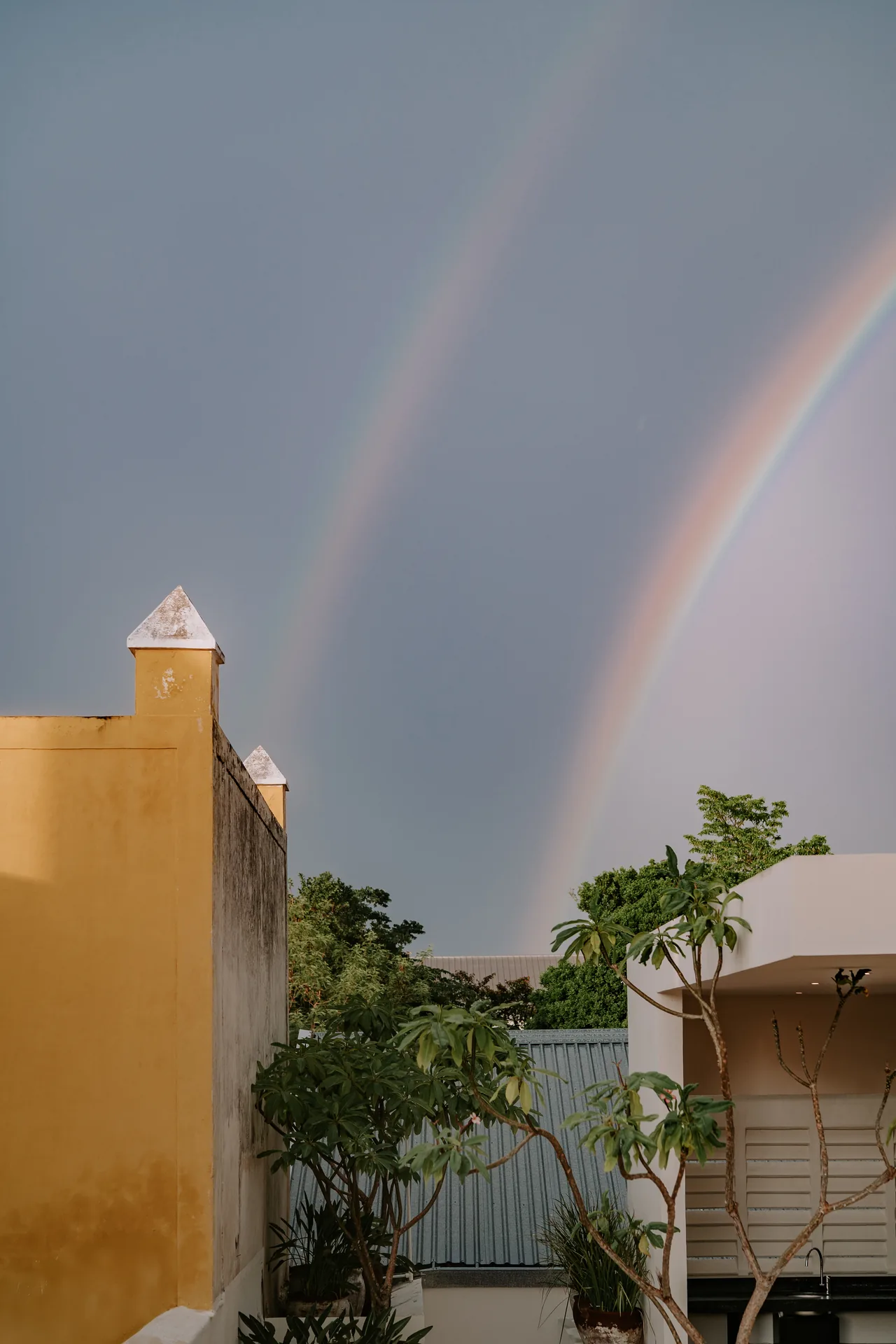
A UNESCO walled city on Mexico's Gulf coast, without the crowds of other colonial destinations. Fifteen reasons — architecture, pirate history, seafood and the Maya world — why Campeche belongs on your next itinerary.
Read more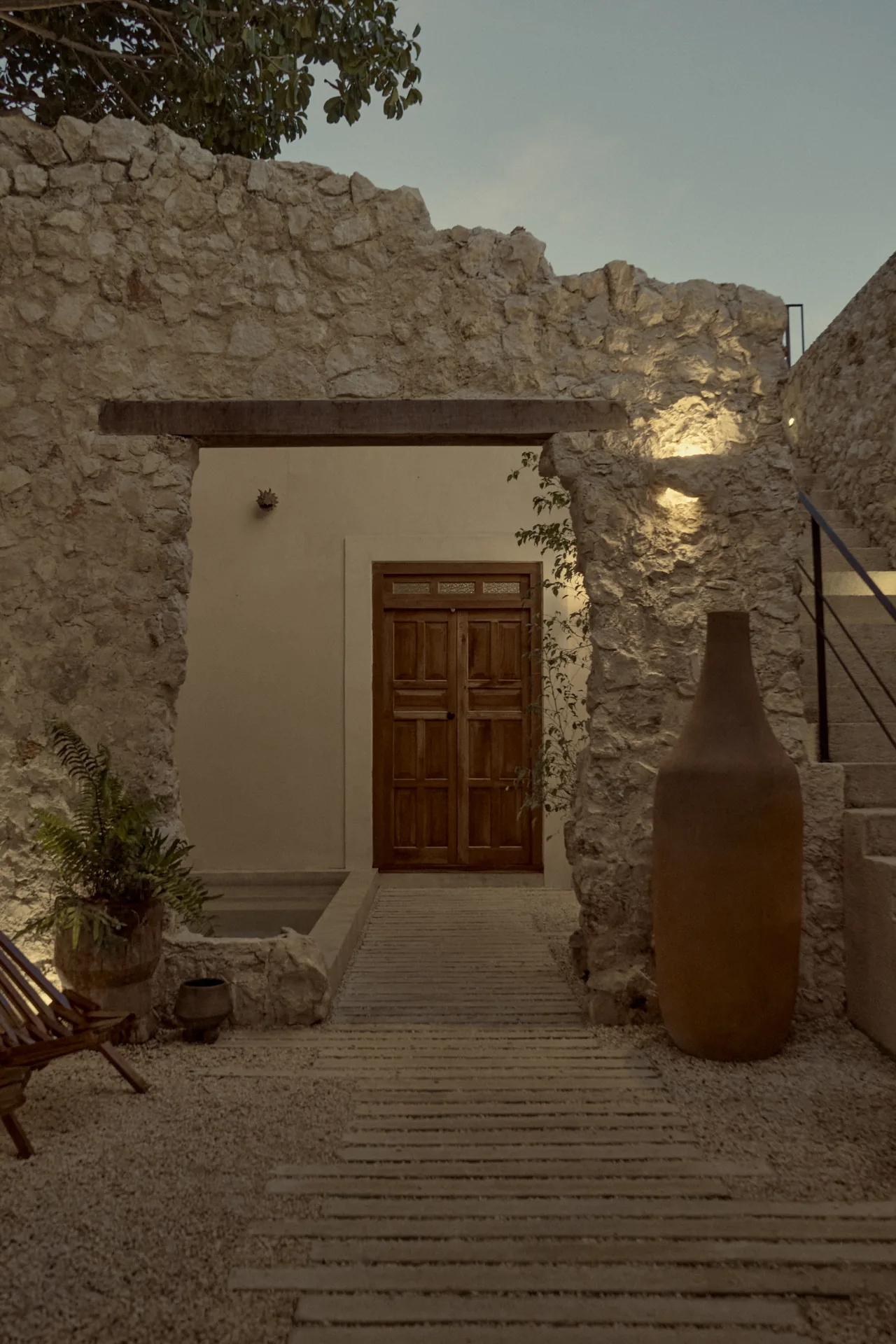
What defines Mexican colonial architecture, why the courtyard is the heart of the house and how colour became identity — and why Campeche preserves one of the best-kept historic cityscapes in the Americas.
Read more
If the goal is for a team to disconnect from the noise, talk honestly, and come back with new ideas, the setting isn't a detail — it's half the work. And few places in Mexico deliver it like Campeche.
Read more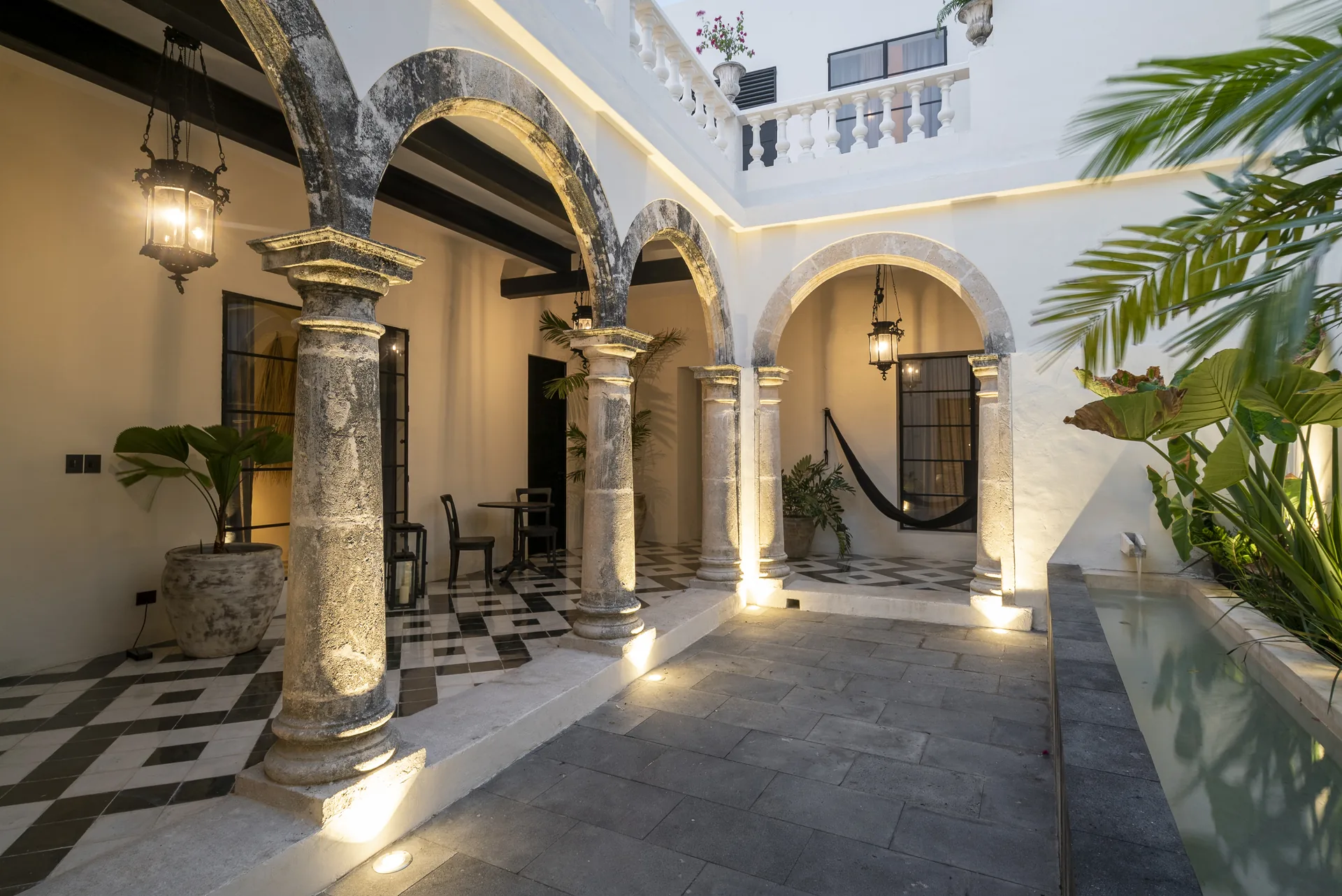
There is a fundamental difference between visiting Campeche from the outskirts and waking up inside its historic center — walking between colored facades, crossing through ancient wall gates, and returning to a home that is part of that history.
Read more
After walking through the colored streets and visiting bastions, few things feel as rewarding as returning to a private house, closing the door, and finding a cool, quiet space entirely your own.
Read more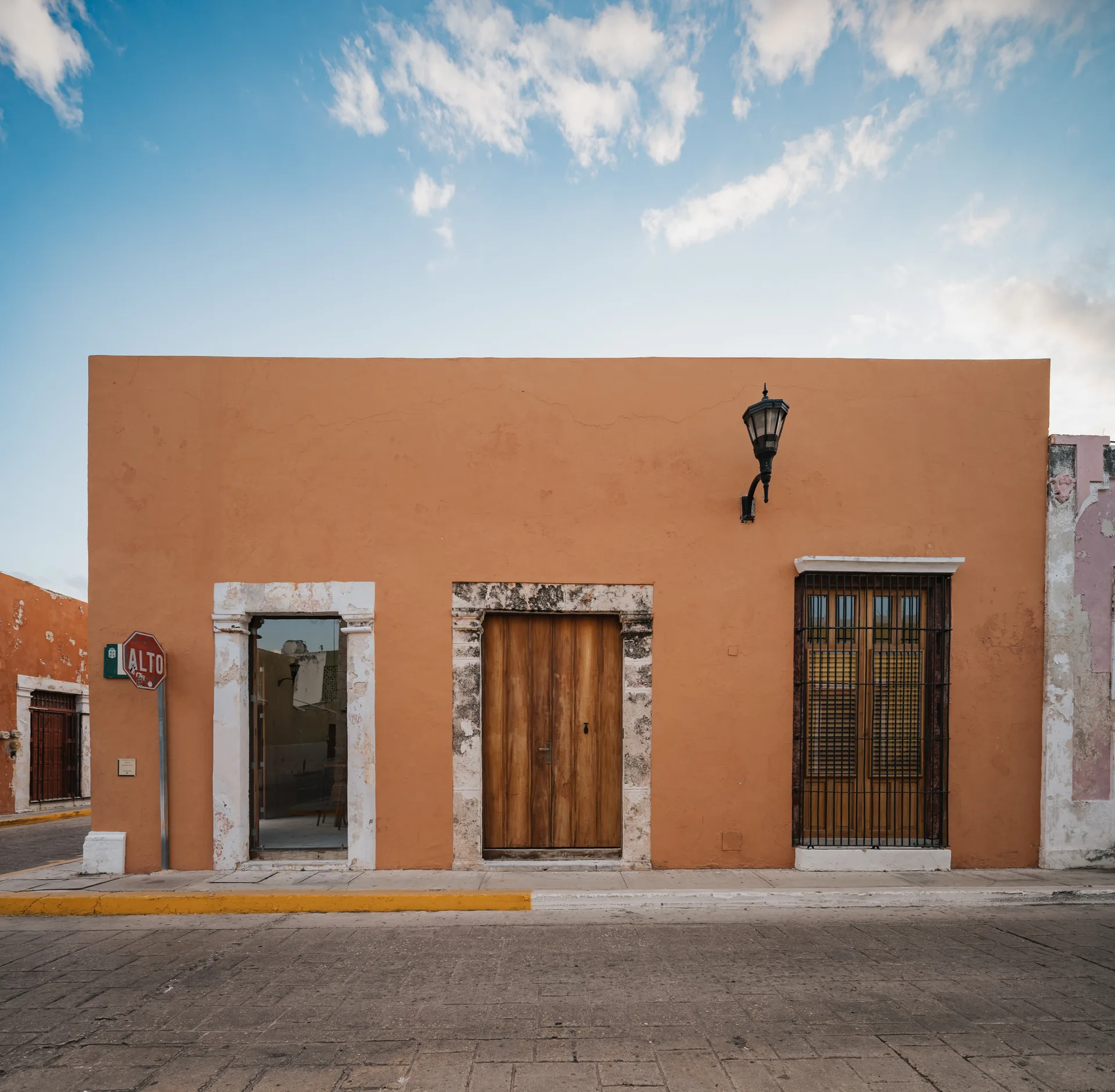
Campeche rewards those who look slowly. Its real architectural richness emerges when you understand the relationship between street and interior: tall doors, hidden courtyards, thick walls, deep shadows, and houses that carry the memory of several centuries.
Read more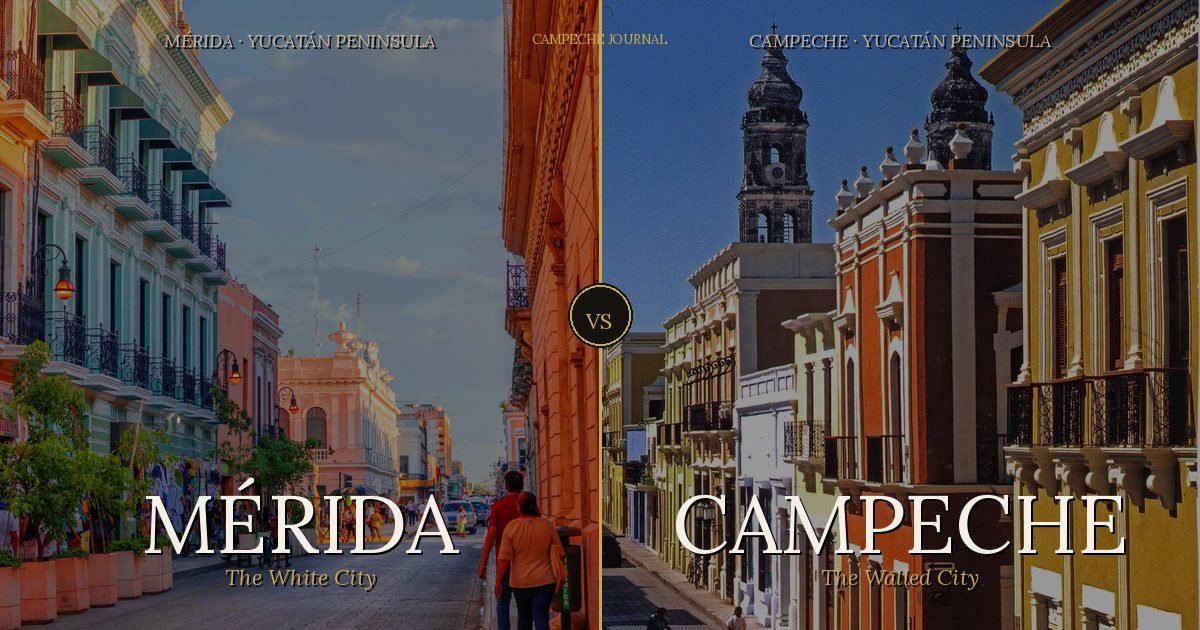
Most travelers arrive on the Yucatán Peninsula with Mérida already marked on the map. Few know that two hours to the southwest, a quieter, more intimate colonial city has been waiting behind its own walls.
Read more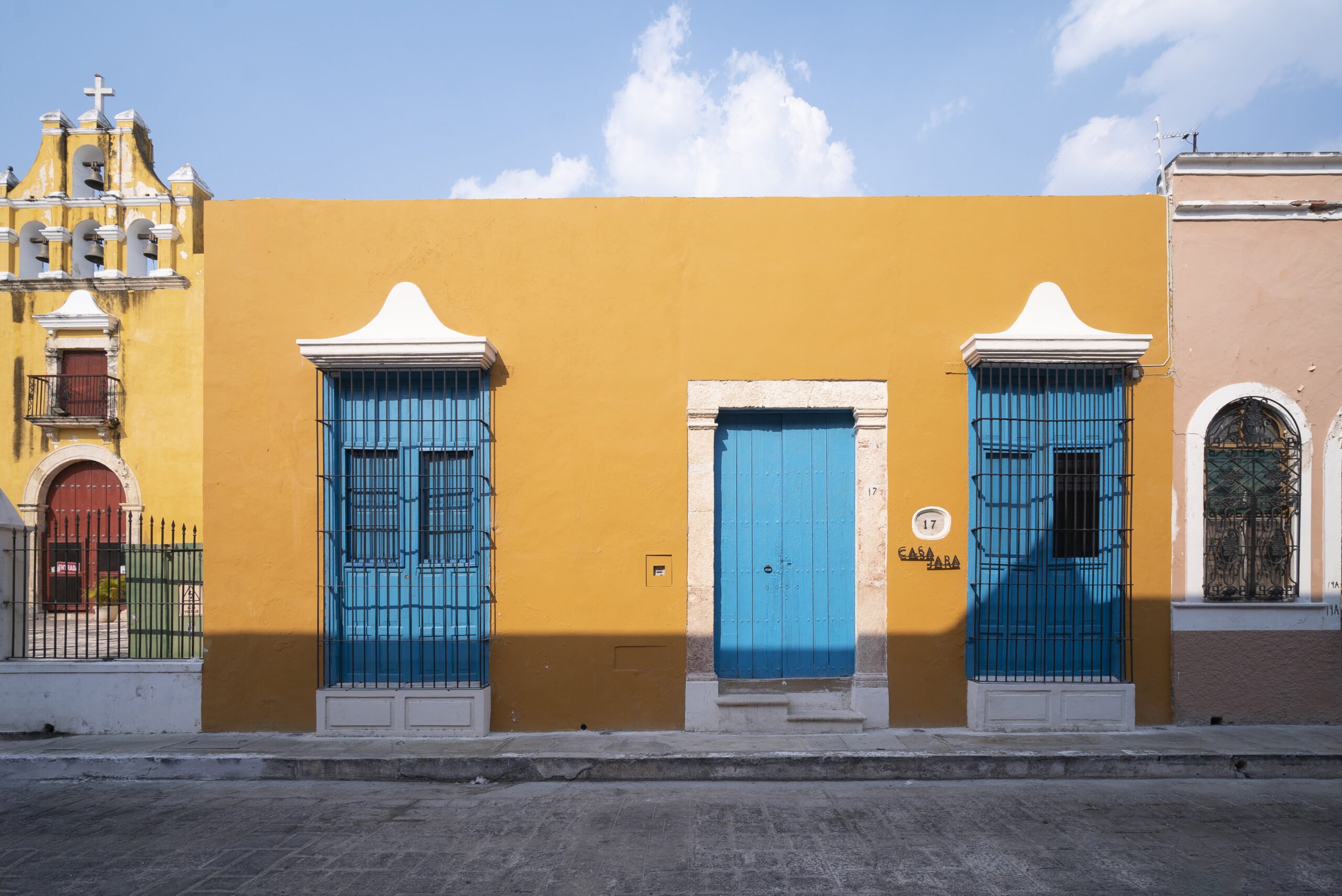
There is a particular quality to the light in Campeche's historic center. The way it enters through a doorway at dawn, falls on a hand-pressed tile floor and fragments into something almost ceremonial.
Read more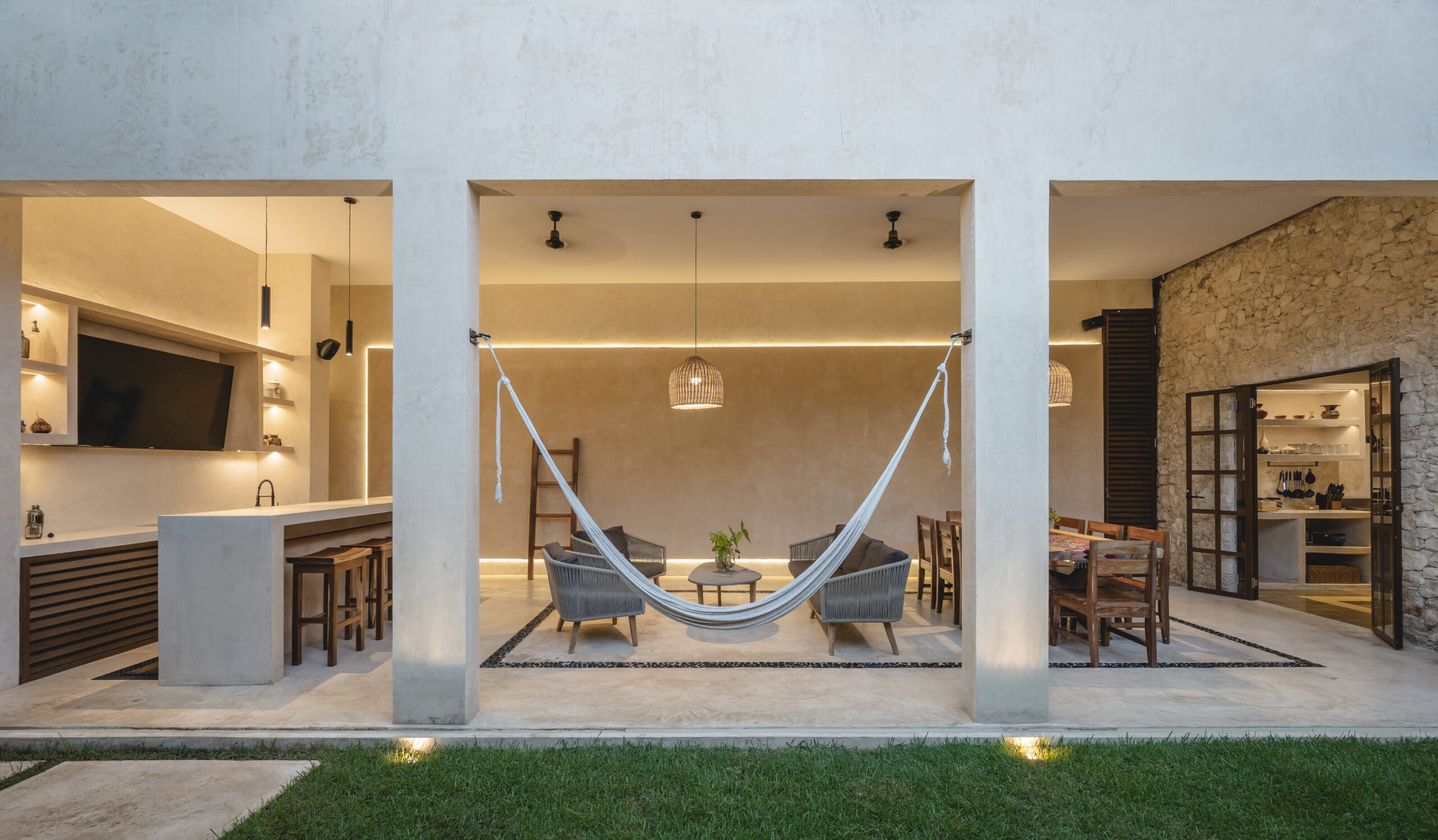
The search says "boutique hotel," but Campeche’s best answer has no front desk: complete heritage homes inside the wall. An honest comparison of privacy, breakfast, space and rates.
Read more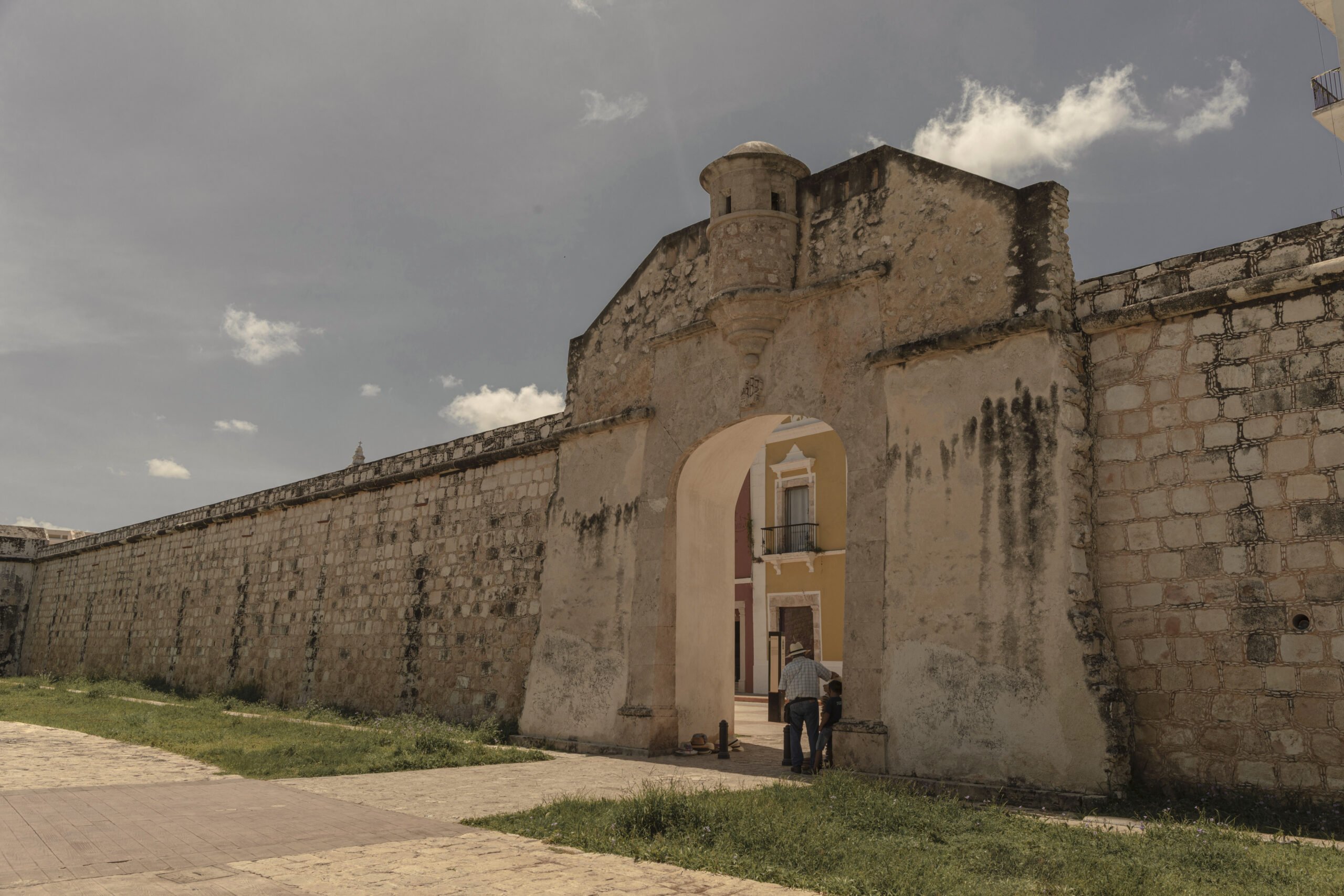
Campeche reveals its best self to those who are not in a rush. Its streets were made for walking, its plazas for lingering, its light for contemplation.
Read more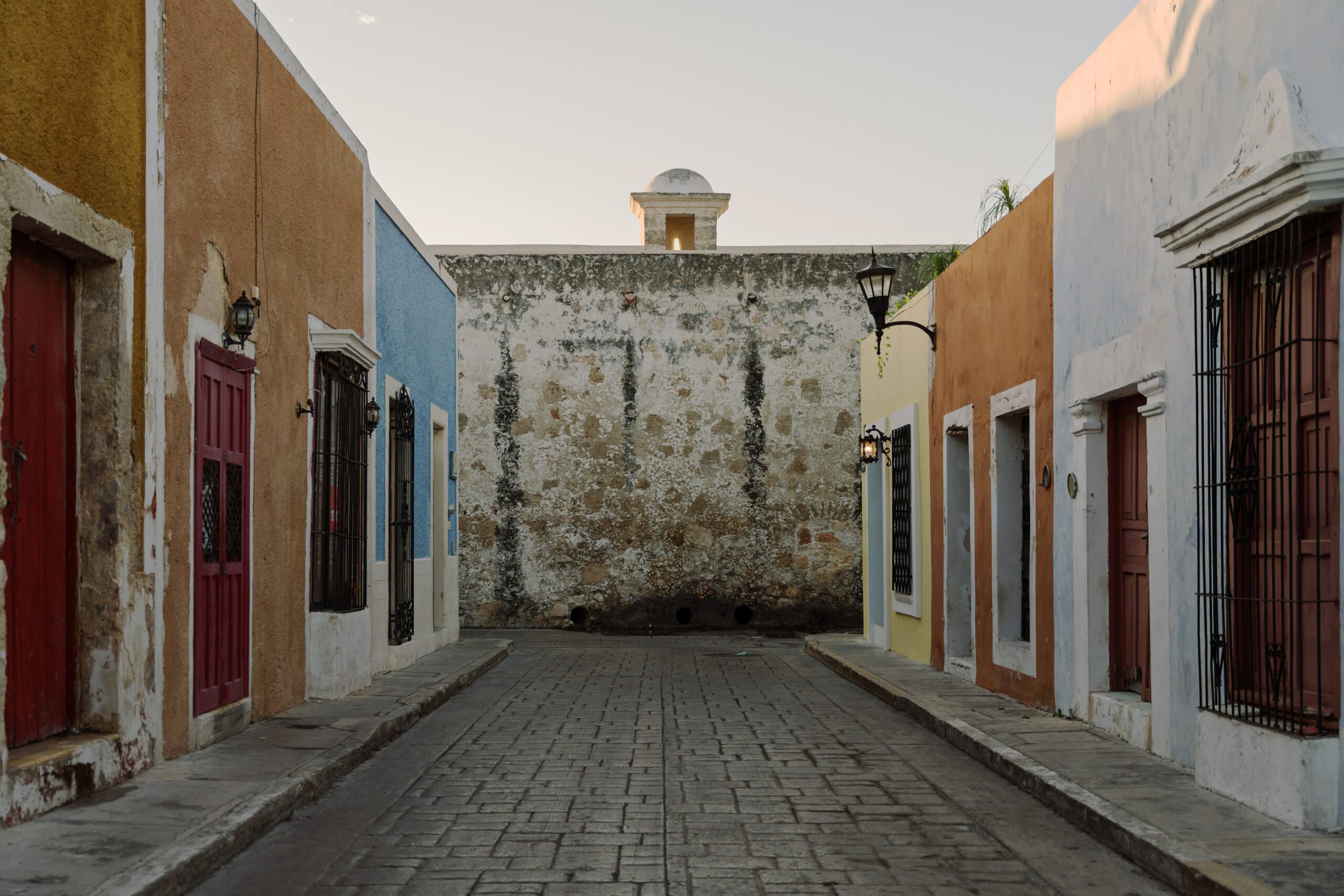
Color is the first thing you notice. Entering the historic center for the first time, most travelers stop mid-street — not in front of a particular building, but before the street itself.
Read more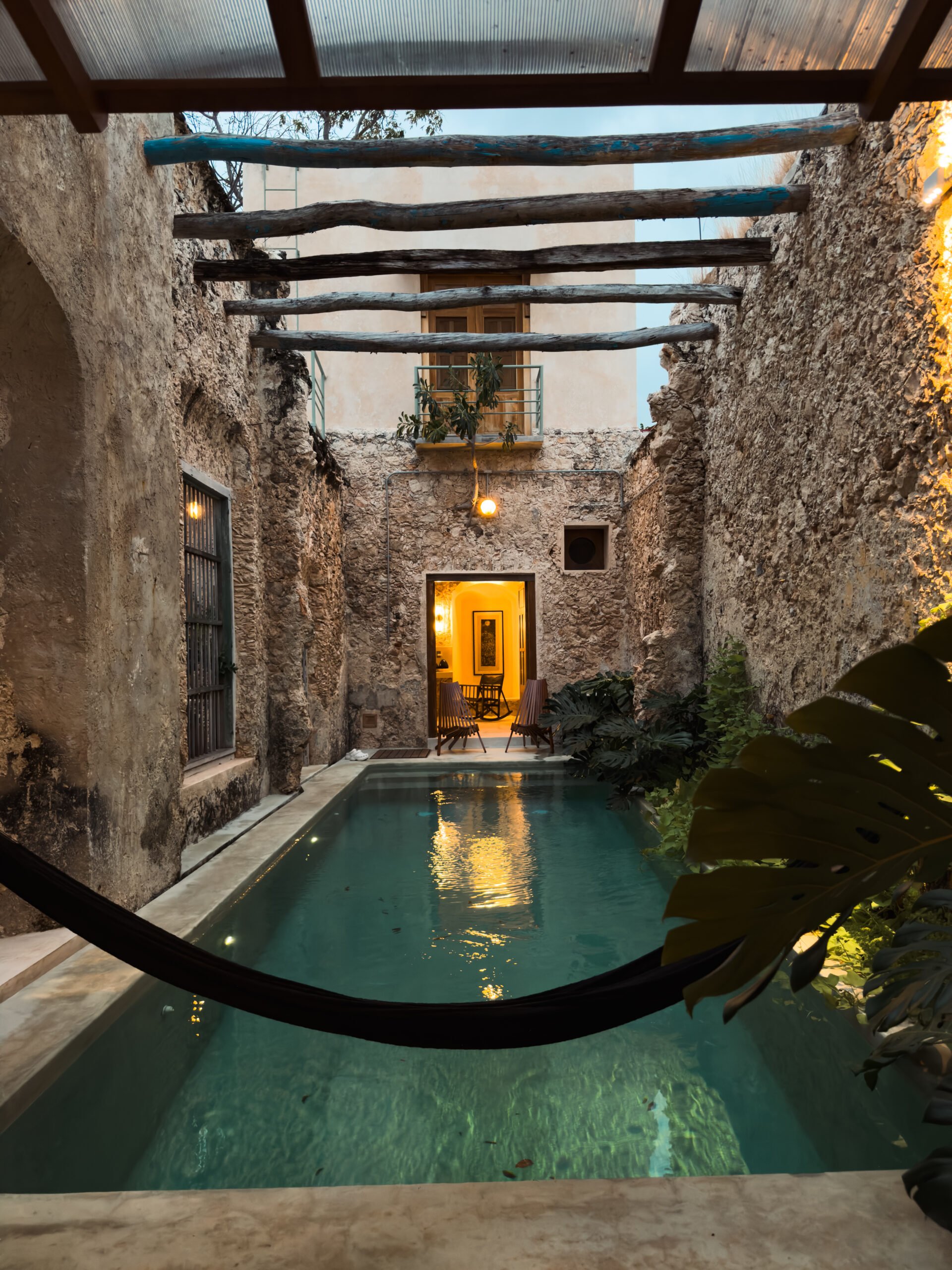
There is a particular silence that greets you when you cross the doors of a colonial house in Campeche. Not the silence of emptiness — but the silence of depth.
Read more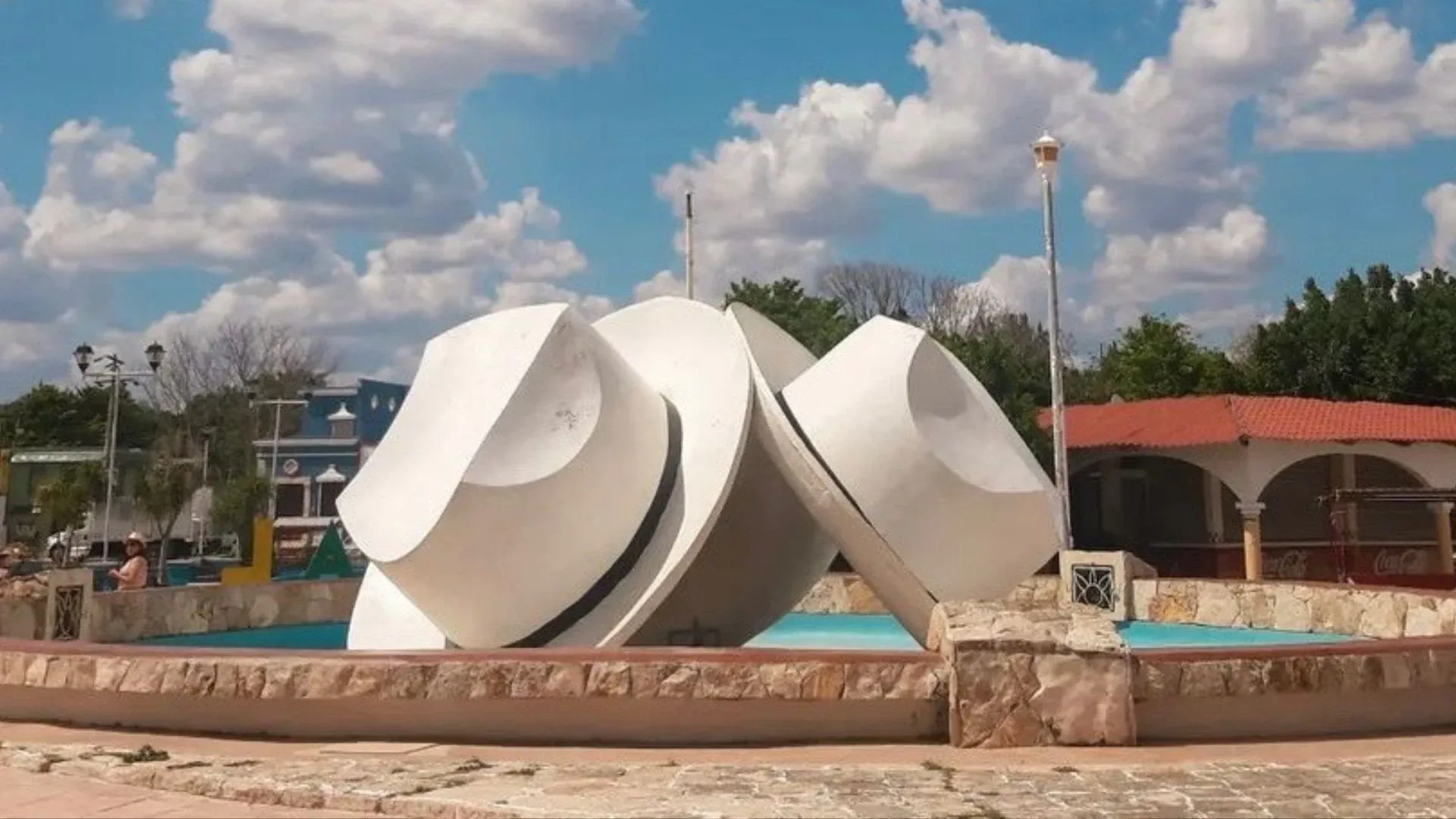
A little over an hour from the walled city, one route unites the state's most celebrated craft and a freshwater haven: Becal, cradle of the cave-woven jipi hat, and the Ich Ha Lol Xaan ecological park.
Read more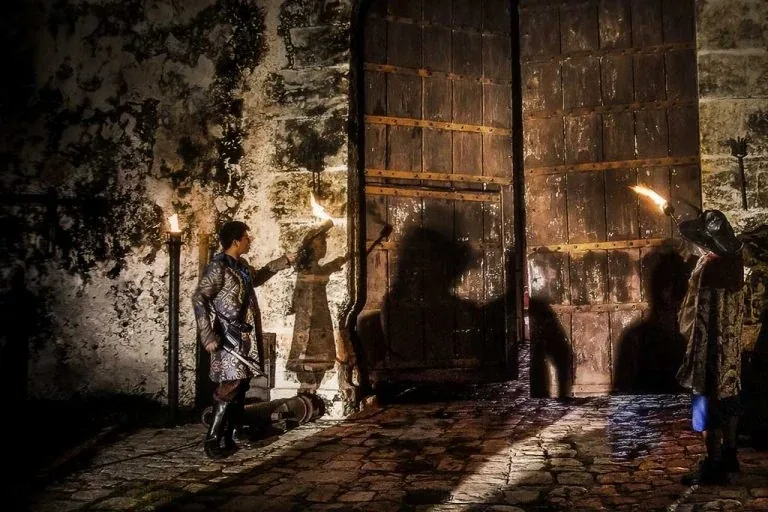
Galleons laden with silver and logwood, two centuries of pirate attacks and a hexagon of UNESCO-listed walls and bastions: the maritime history that shaped the best-preserved walled city in North America.
Read more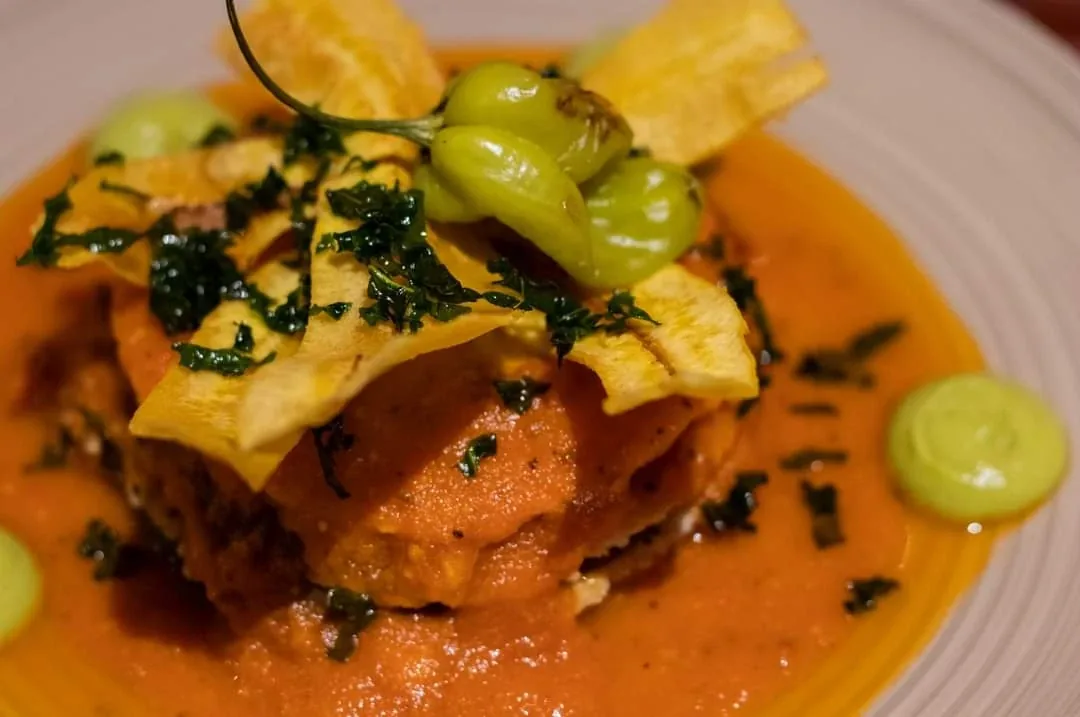
If you could try only one dish in Campeche, it would be pan de cazón — but it would be a shame to stop there. Ten seafood dishes that define Gulf cuisine: octopus, coconut shrimp, campechano cocktails and more.
Read more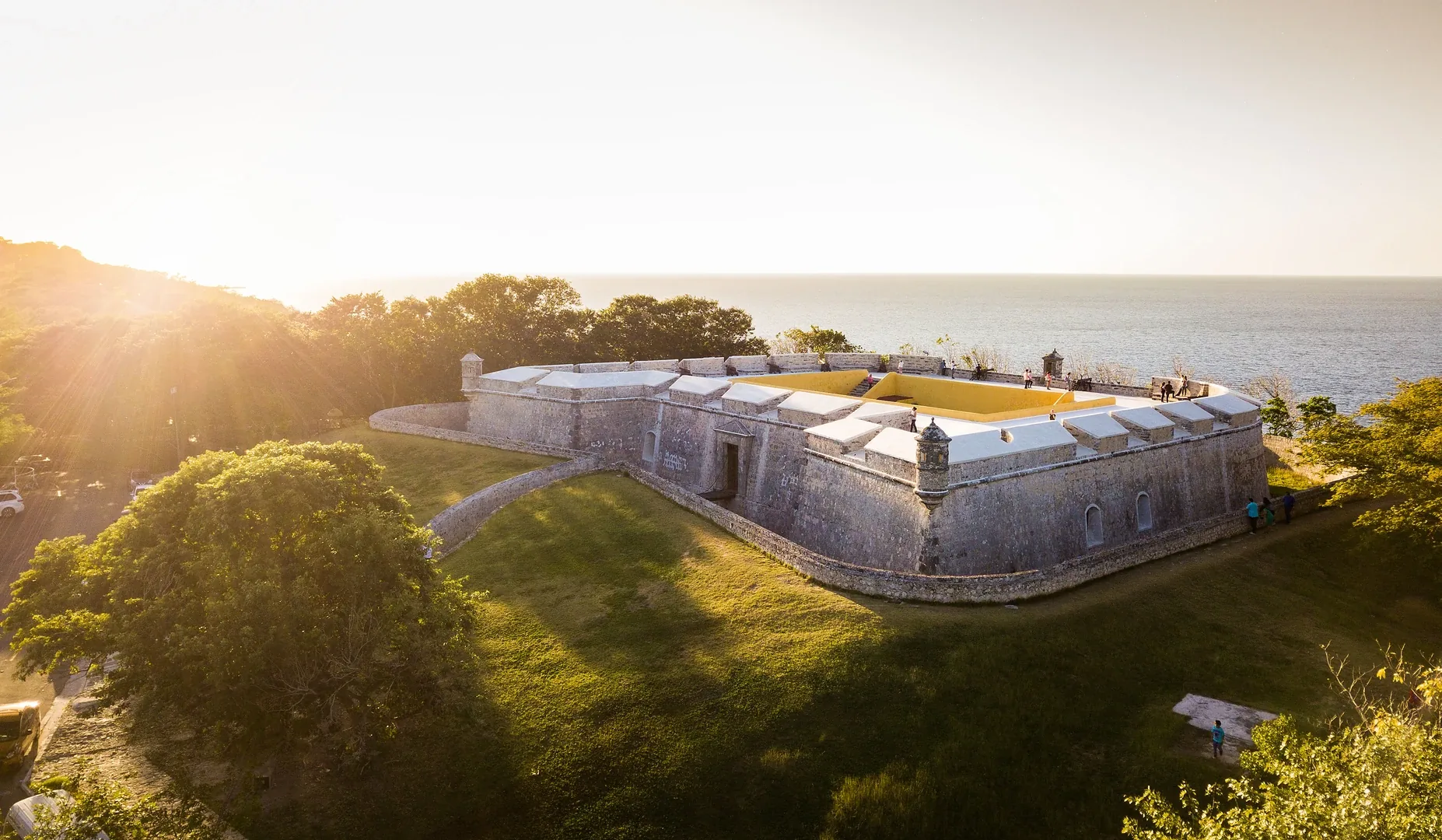
The best museums in Campeche were never built to be museums: they fill the forts and bastions that once defended the city. A guide to the Calakmul jade mask, the Museum of Maya Architecture and the bastion-museums.
Read more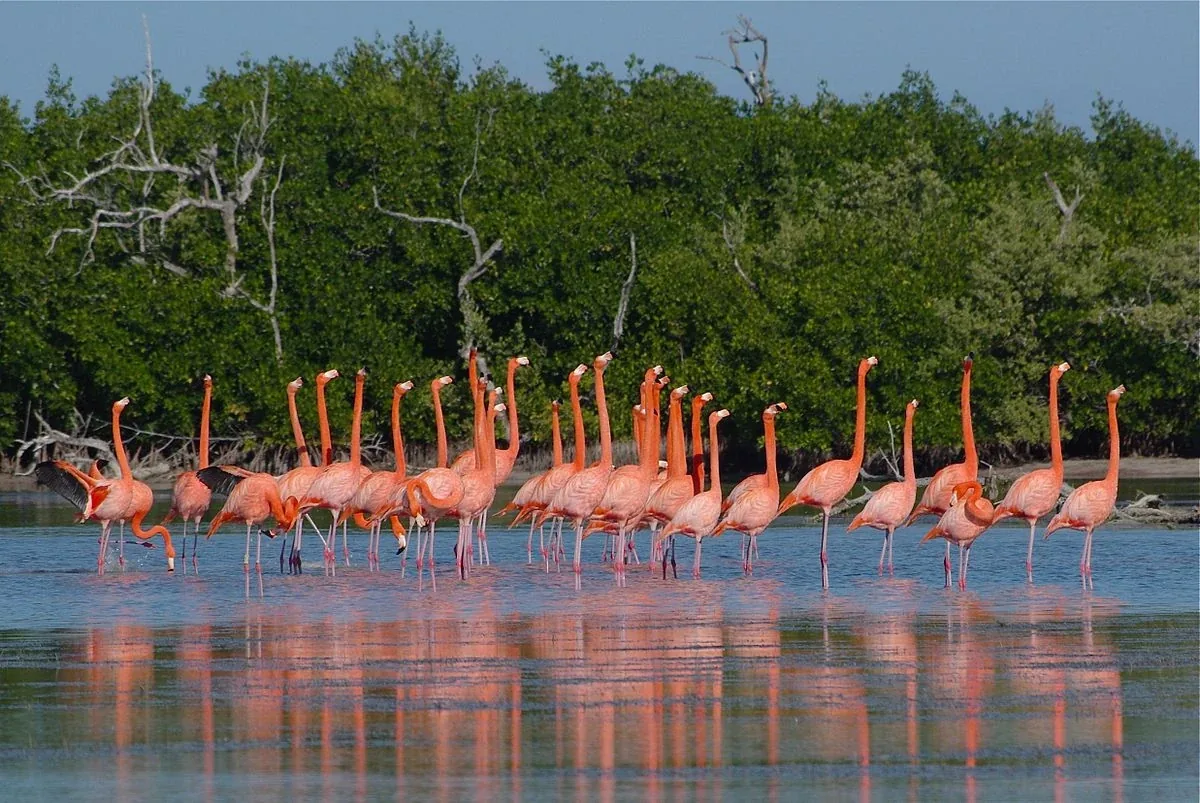
Few places let you sleep in a UNESCO World Heritage city and, at dawn, glide through the mangroves of a Biosphere Reserve. Los Petenes and Xpicob reveal Campeche's other face: water, mangrove and birds.
Read more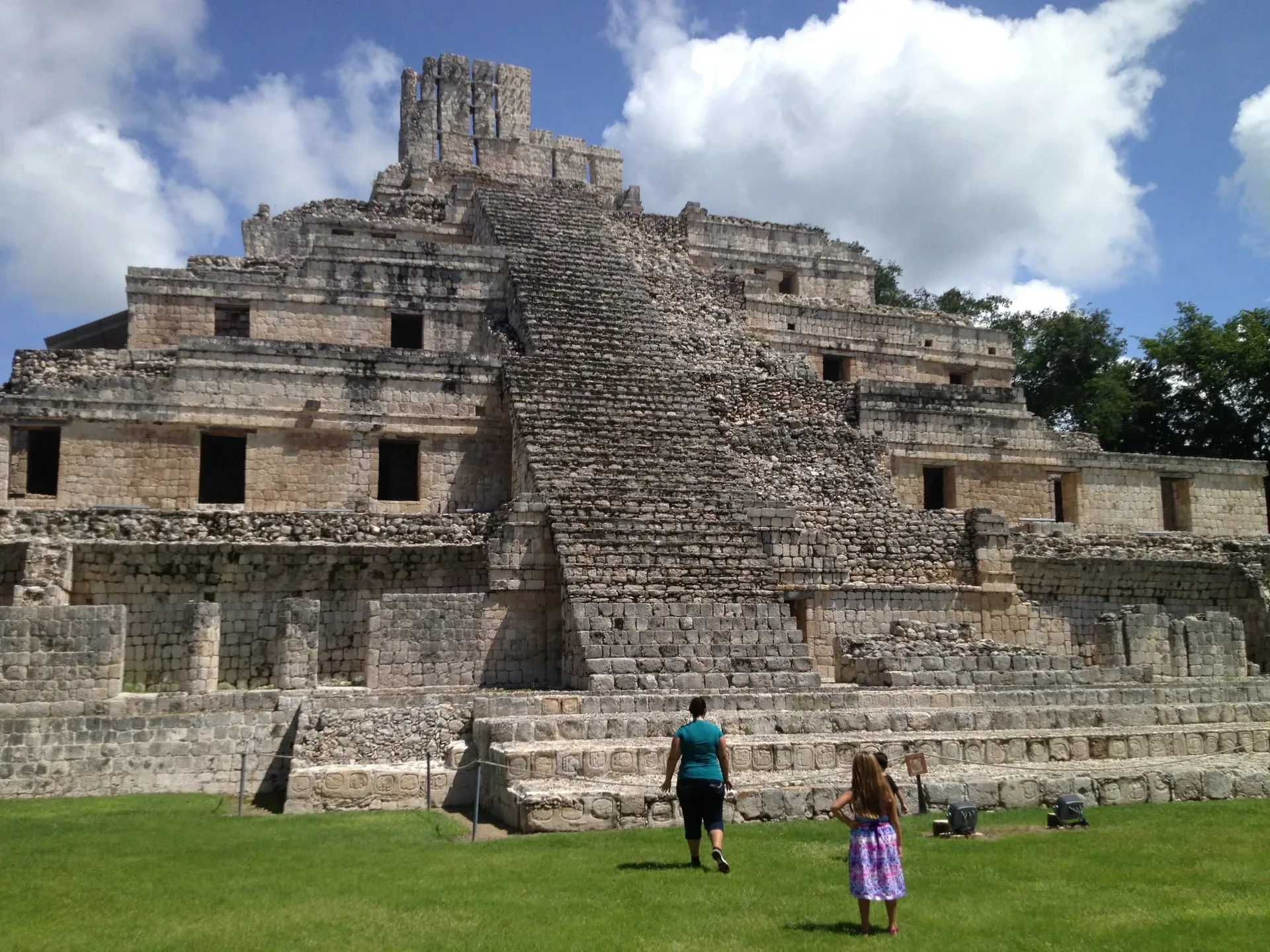
An hour from the walled city, one excursion compresses two thousand years of history: the Maya city of Edzná, with its Five-Storey Building, and Hacienda Uayamón, today a private event venue.
Read more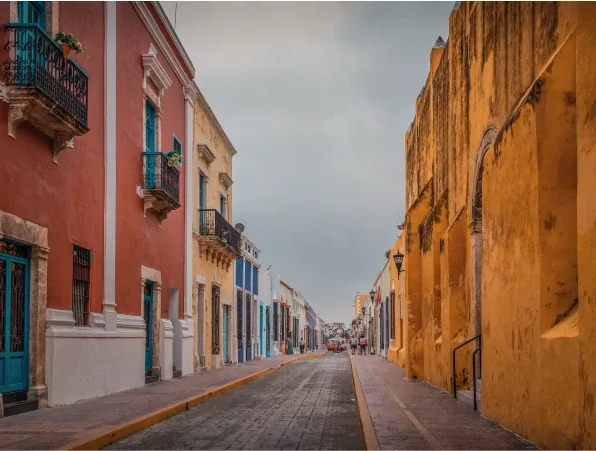
San Román, Guadalupe, San Francisco, Santa Ana and San Martín. The real Campeche does not fit inside its walls: it was born in the neighbourhoods, each around its own church, with its own colour and festivals.
Read more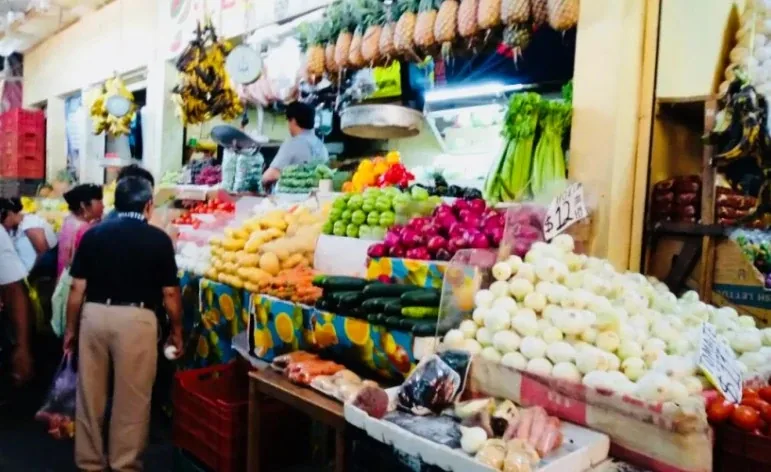
Campeche is meant to be eaten slowly. A generous sea, a cuisine with its own identity, a living market culture and a centuries-old dessert tradition: five reasons it deserves a culinary trip of its own.
Read more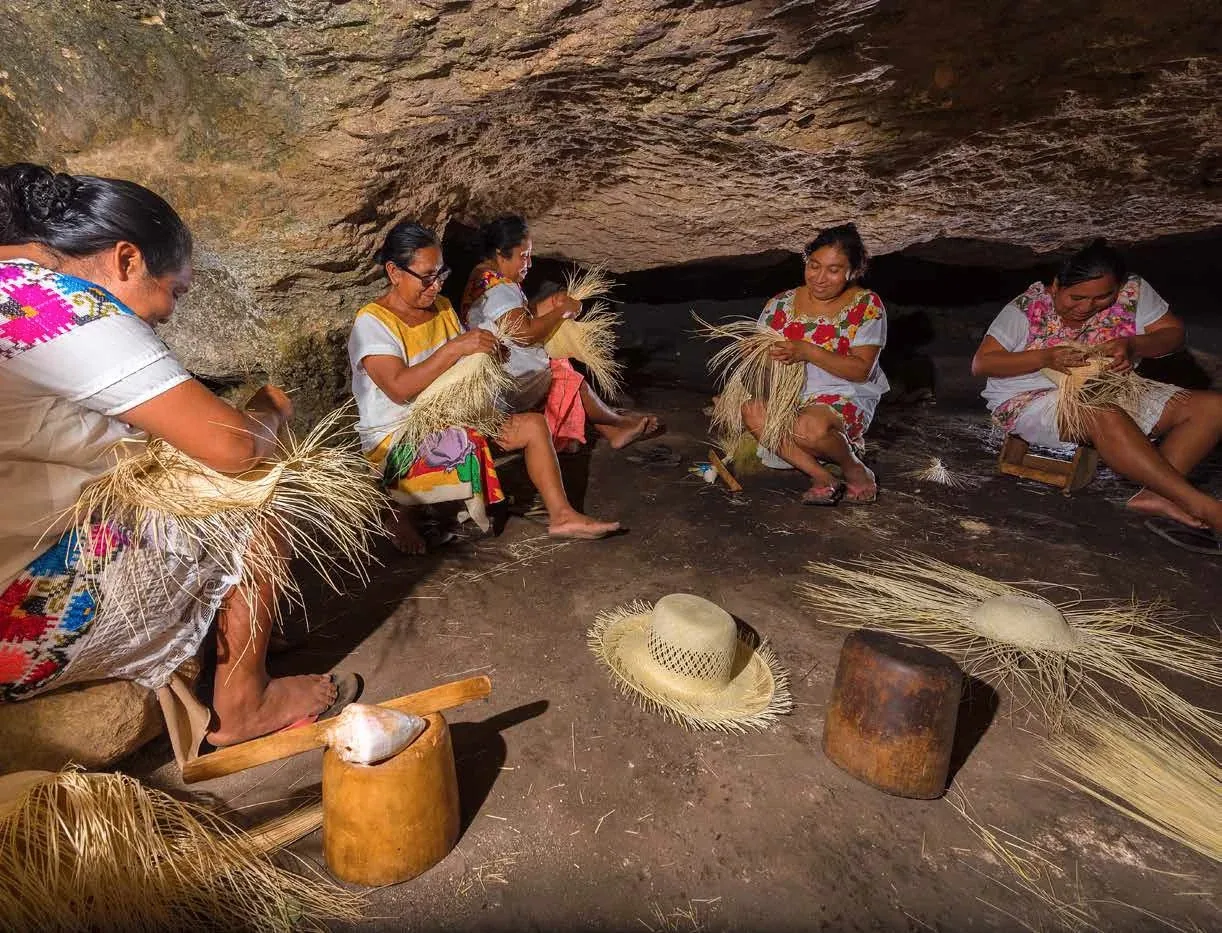
From Becal's jipi hats — woven in damp caves — to counted-thread embroidery, filigree, hammocks and clay: five living Campeche handcrafts, and where to find them.
Read more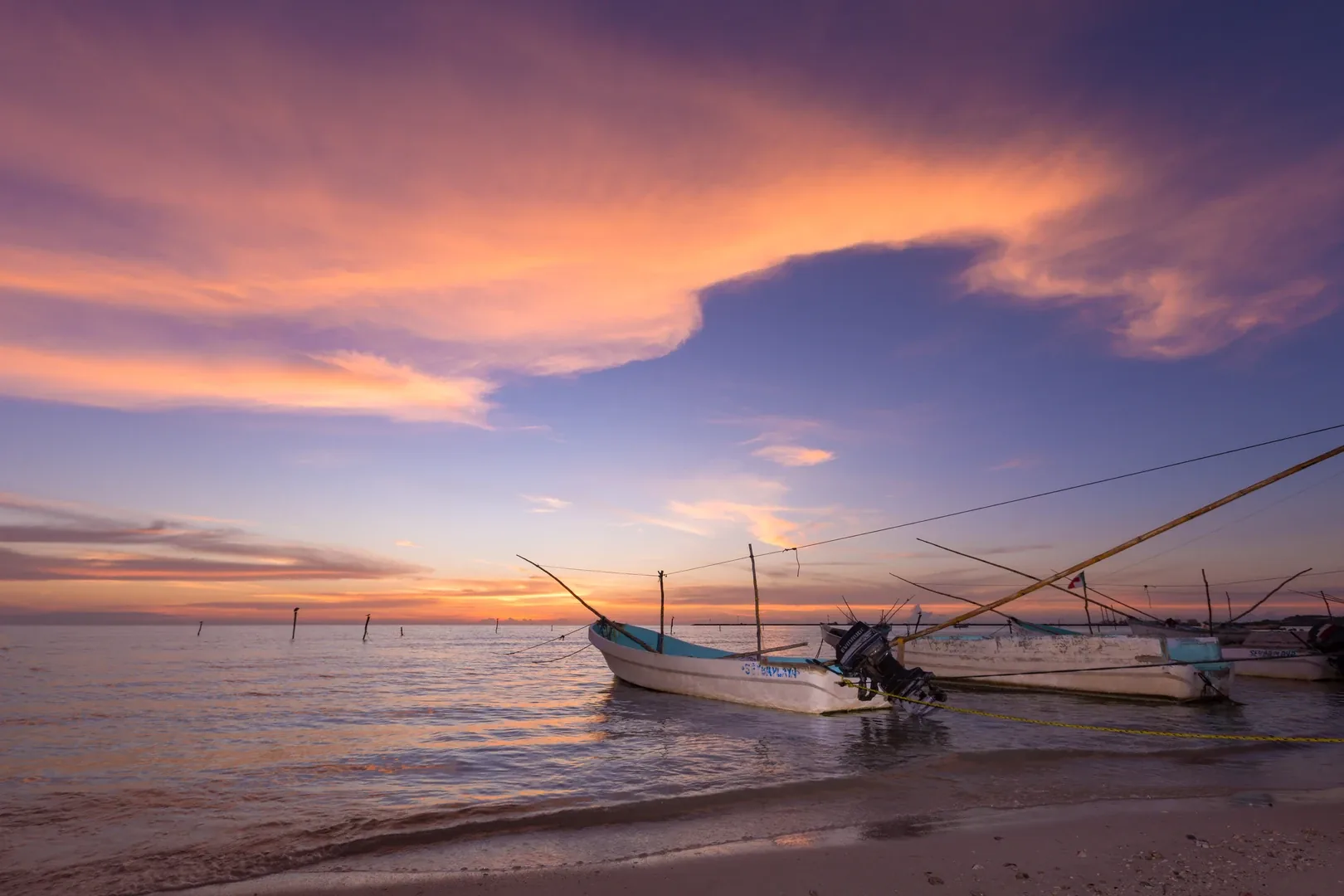
2026 is the year of the destinations the rest of the world hasn't spoiled yet. Five reasons Campeche — a walled, unhurried, authentic city — is the perfect vacation choice: slow travel, heritage and luxury that means something.
Read moreFor direct bookings, group reservations, productions, or bespoke cultural experiences — every stay begins with a conversation.
Short dispatches from the walled city: restorations in progress, seasons, tables and finds, written by the people who live here.
Follow the channel →