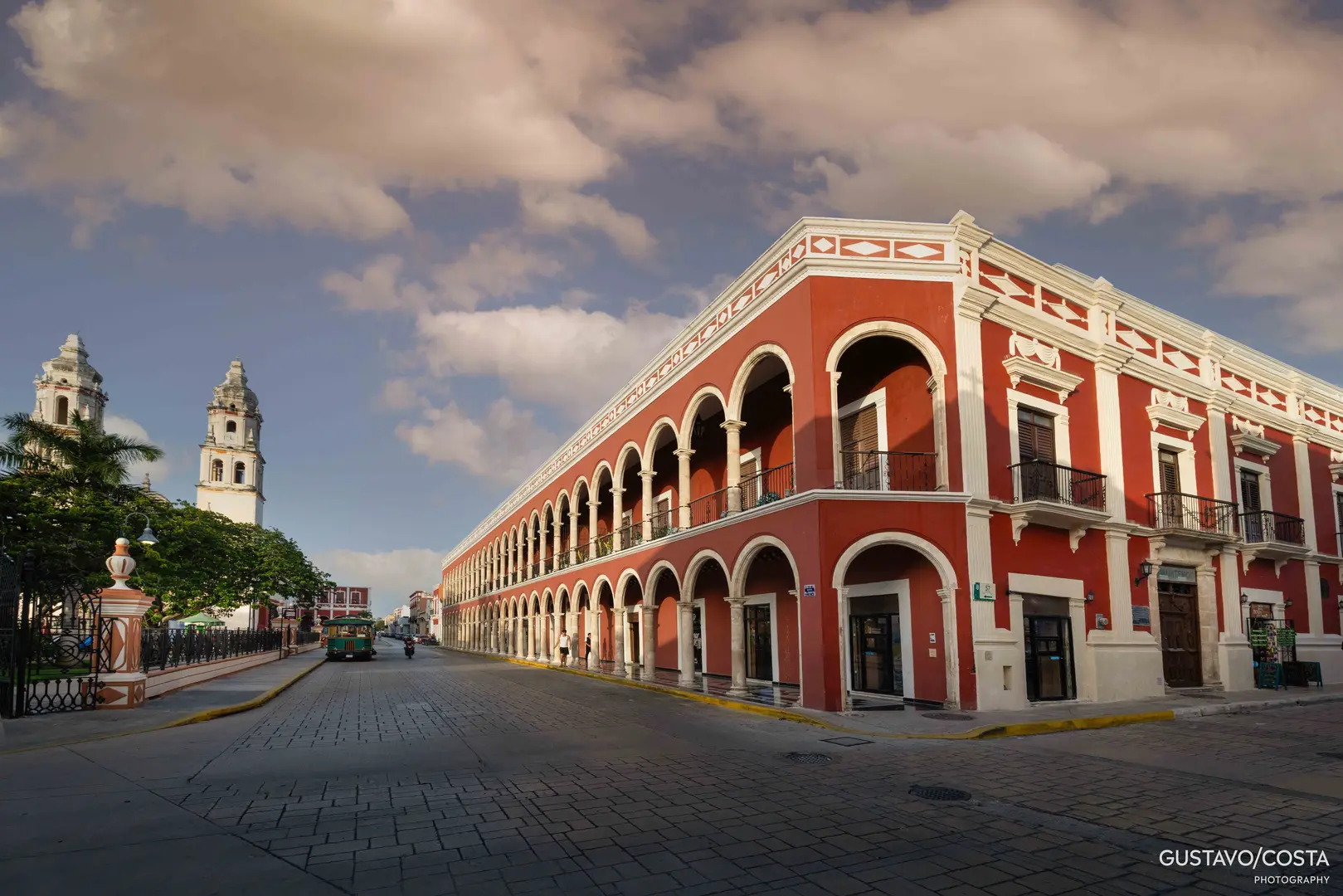
Some corners mark more than the meeting of two streets; they mark the meeting of centuries. That is what happens where Calle 57 meets Calle 10 in the heart of Campeche's Historic Center: there, with its arcades facing the Plaza Principal, stands the Cuauhtémoc Building, one of the walled city's most beloved and most enigmatic structures. Few civil buildings on the peninsula concentrate so many lives behind a single façade: seat of viceregal power, birthplace of a naval hero, hotel to illustrious travelers and, according to local tradition, lodging for an empress.
This article walks through those layers one by one: the documented history, the legend that shadows it, and the keys to reading its architecture the next time you cross the plaza.
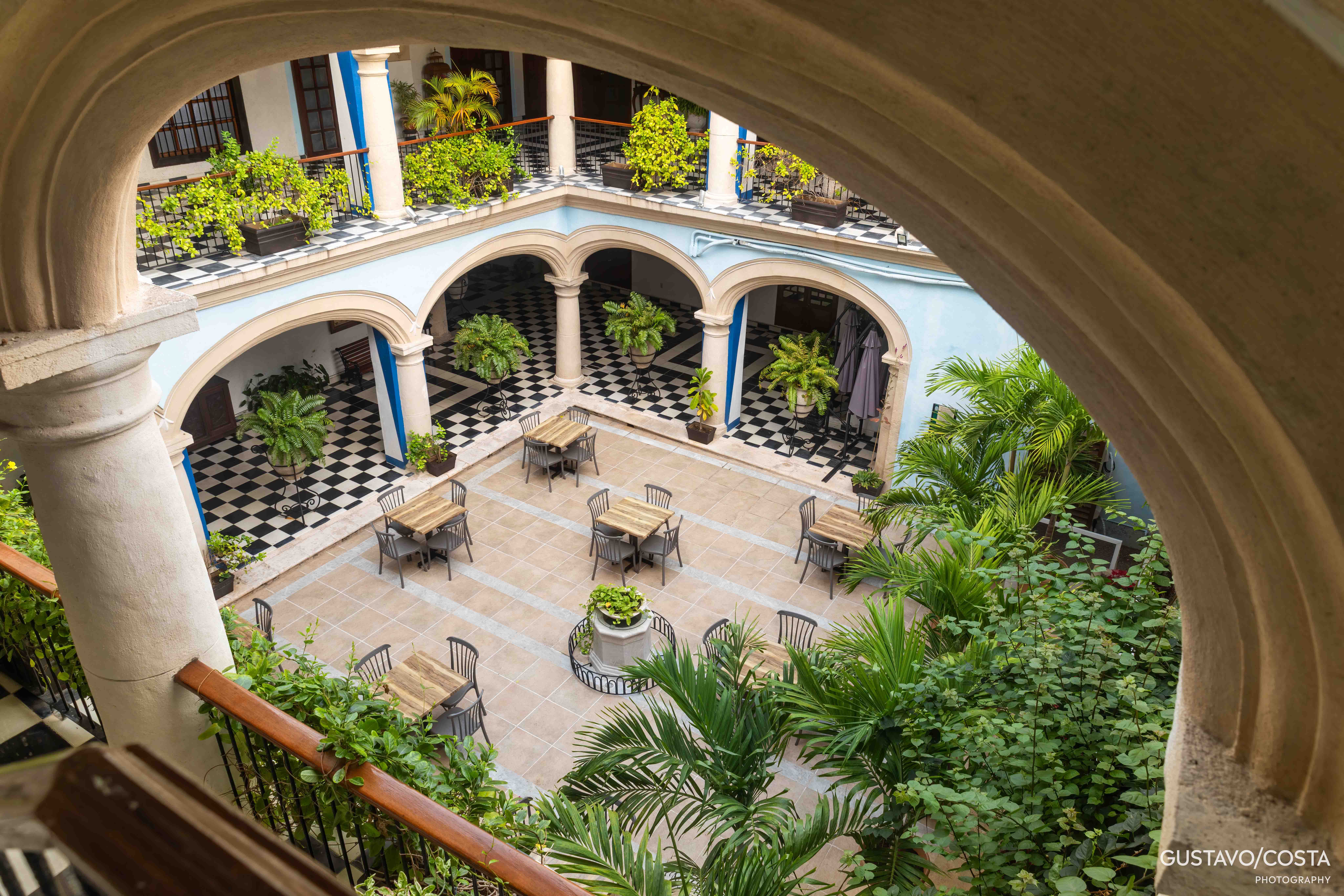
The corner that governed the town
Long before it carried its present name, this plot already belonged to the essential grid of Campeche. Spanish Crown ordinances required that the government buildings of every newly founded town cluster around its main square, and the villa of San Francisco de Campeche, founded in 1540, was no exception. Local chronicles record that, from the town's earliest days until 1776, this site formed part of an administrative complex that gathered the Jail, the Audiencia, the Alhóndiga and the Casa Real.
It is worth pausing on what that means. The alhóndiga regulated the grain that fed the port; the audiencia dispensed justice; the Casa Real represented the Crown before the sea through which the province's wealth flowed in and out. For more than two centuries, many of the decisions that shaped Campeche were made on this block, steps from where cafés now set their tables beneath the arcades. Over time the building changed hands and purpose: from administrative seat to elegant private residence and, later, a commercial space that has reinvented itself without losing its character.
Birthplace of a Trafalgar sailor
One of the most significant episodes in its history occurred on March 13, 1787, when Campeche tradition places within these walls the birth of Pedro Sainz de Baranda y Borreyro. His biography reads like a novel: sent to Spain at eleven to train as a naval officer, he fought aboard the ship Santa Ana at the Battle of Trafalgar in 1805, where he was wounded three times. Decades later, in independent Mexico, he organized the naval blockade that ended with the surrender of the fortress of San Juan de Ulúa in 1825, the last Spanish stronghold on Mexican soil. For this he is considered the founder of the Mexican Navy, and he still found time to establish in Valladolid the country's first cotton spinning and weaving mill.
Knowing that these walls saw the birth of such a figure adds a layer of meaning to every visit. At the Cuauhtémoc Building you are not merely looking at architecture: you are walking through the living history of Mexican seafaring, independence and industry.
The Hotel Cuauhtémoc and the empress's night
Between 1863 and 1961, the building opened its doors as the Hotel Cuauhtémoc, hosting numerous distinguished travelers of the nineteenth and early twentieth centuries. It is to that era that the most seductive story about this place belongs: local tradition holds that Empress Carlota of Belgium stayed here during her visit to Campeche, documented between December 11 and 16, 1865.
Honesty demands a nuance that few guides mention: another mansion on Calle 57, the birthplace of the writer Justo Sierra beside the Puerta de Mar, also claims that imperial night. That two buildings compete for the same empress says much about what her passage meant to the city. Whether exact memory or shared legend, the tale belongs to the narrative fabric that makes the Cuauhtémoc Building a place where history and myth converse at their own unhurried pace.
Moorish arches: the lost Andalusian signature
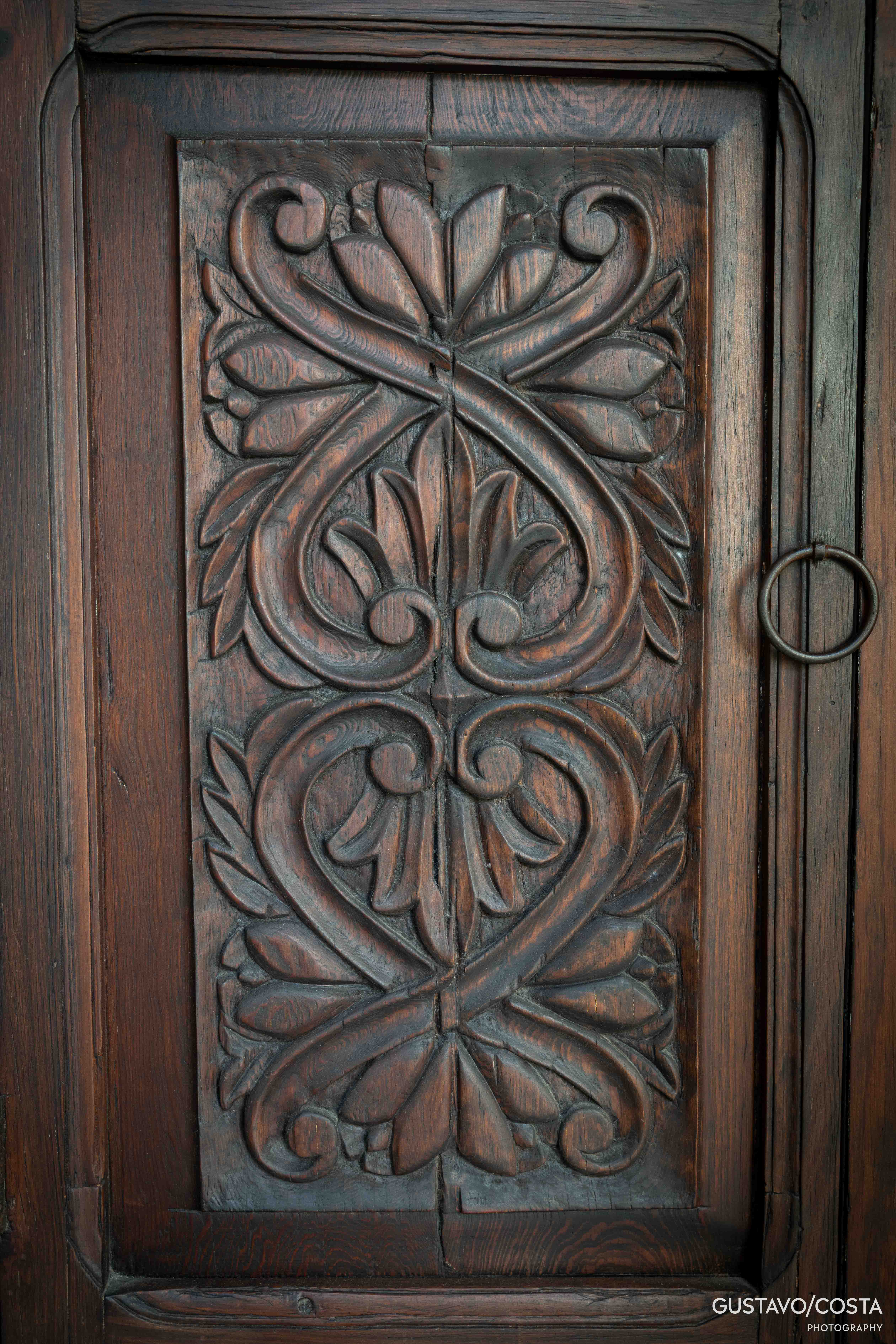
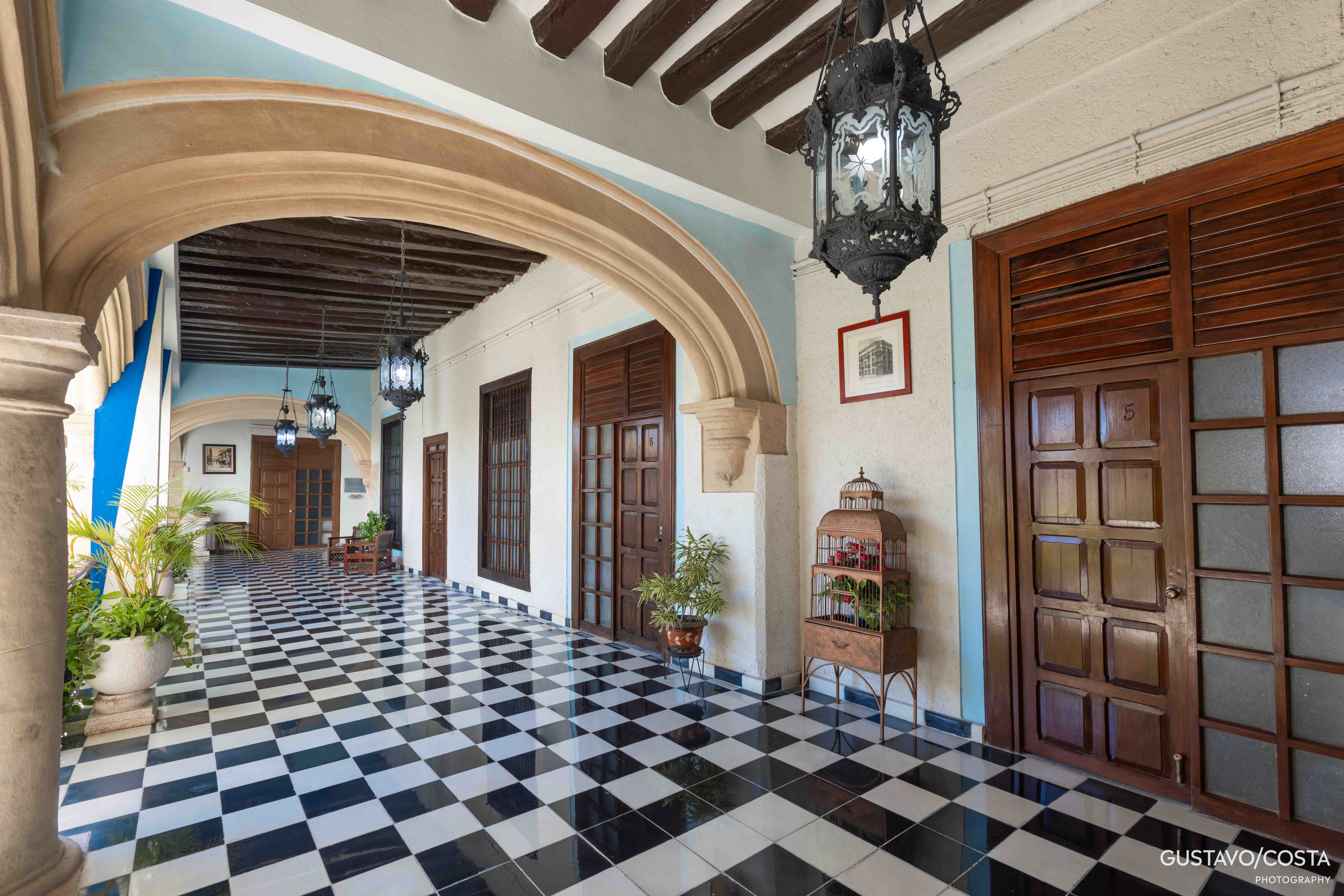
What once set the Cuauhtémoc Building apart from the other colonial structures on its block was its façade of Moorish-style arches, a nod to the deep Andalusian influence running through Mexican viceregal architecture. The master builders who raised New Spain carried centuries of Mudéjar tradition with them, and in Campeche that inheritance could be read in the lobed profiles of the arches, until in the 1960s, during the government of Colonel José Ortiz Ávila (1961 - 1967), the Moorish arcade of the Hotel Cuauhtémoc was demolished, deemed to be of no architectural value, to make way for the Portales Revolución, a mark of the city's progress alongside other modernist works; today only vestiges of the Moorish arches survive inside the building.
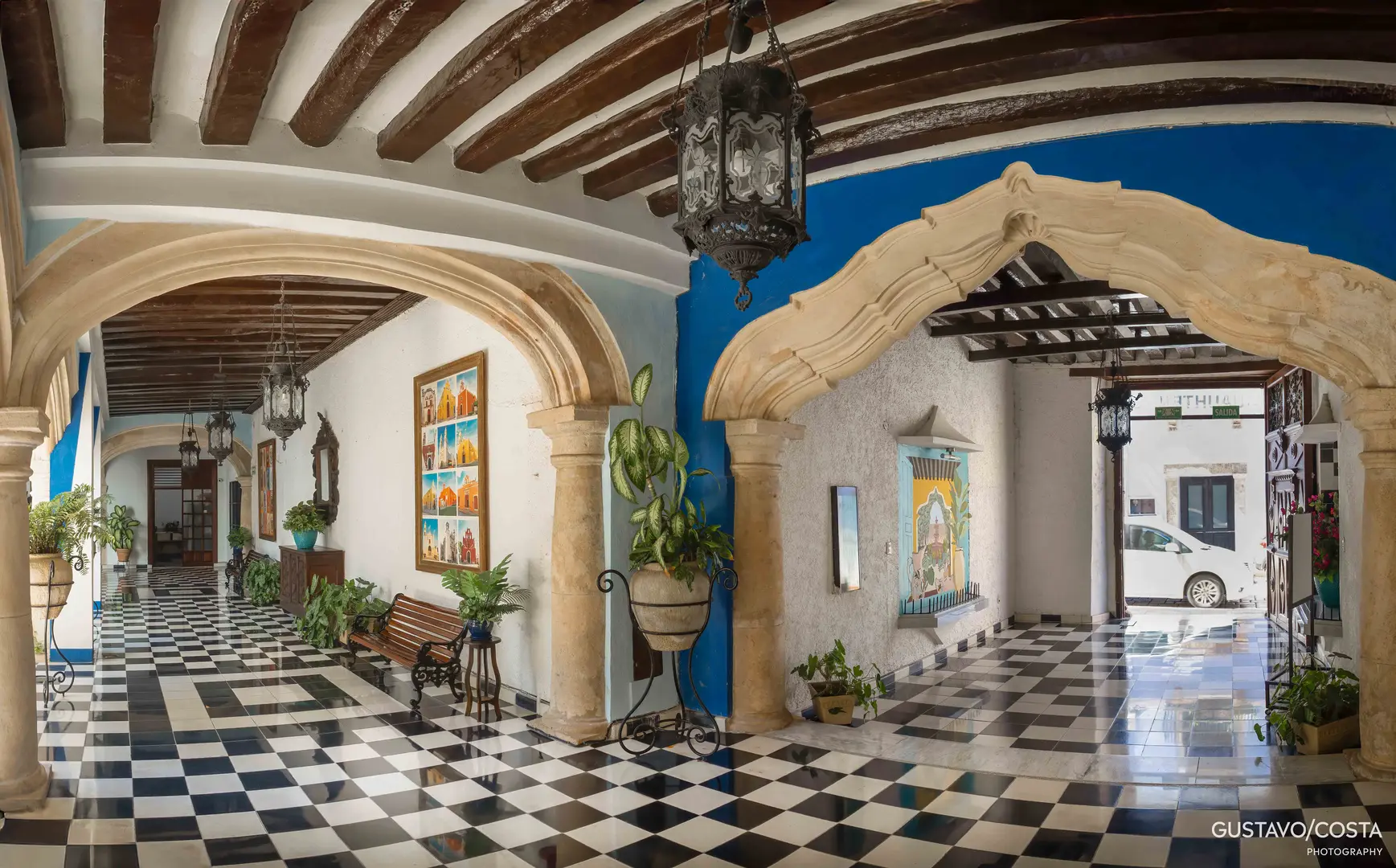
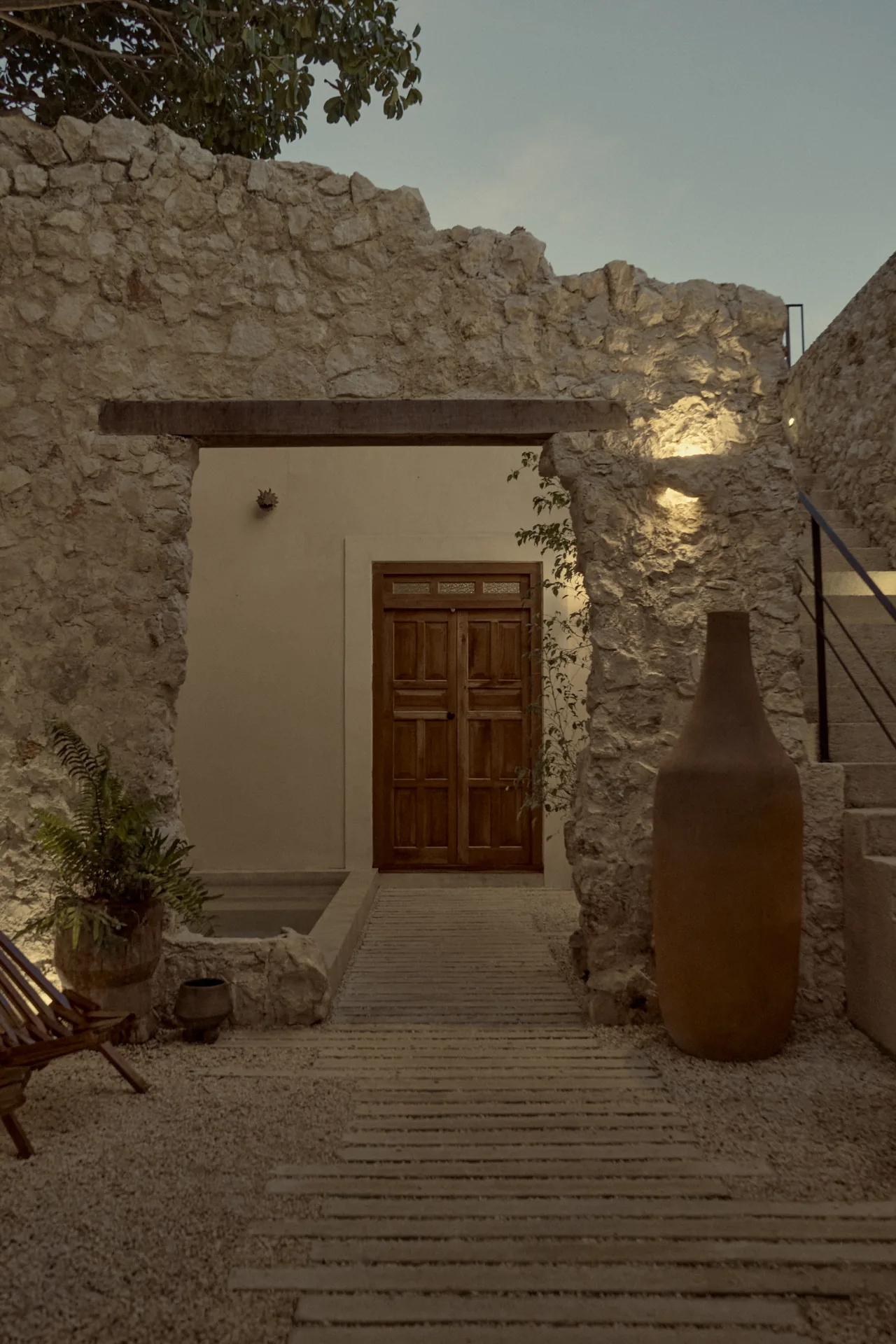
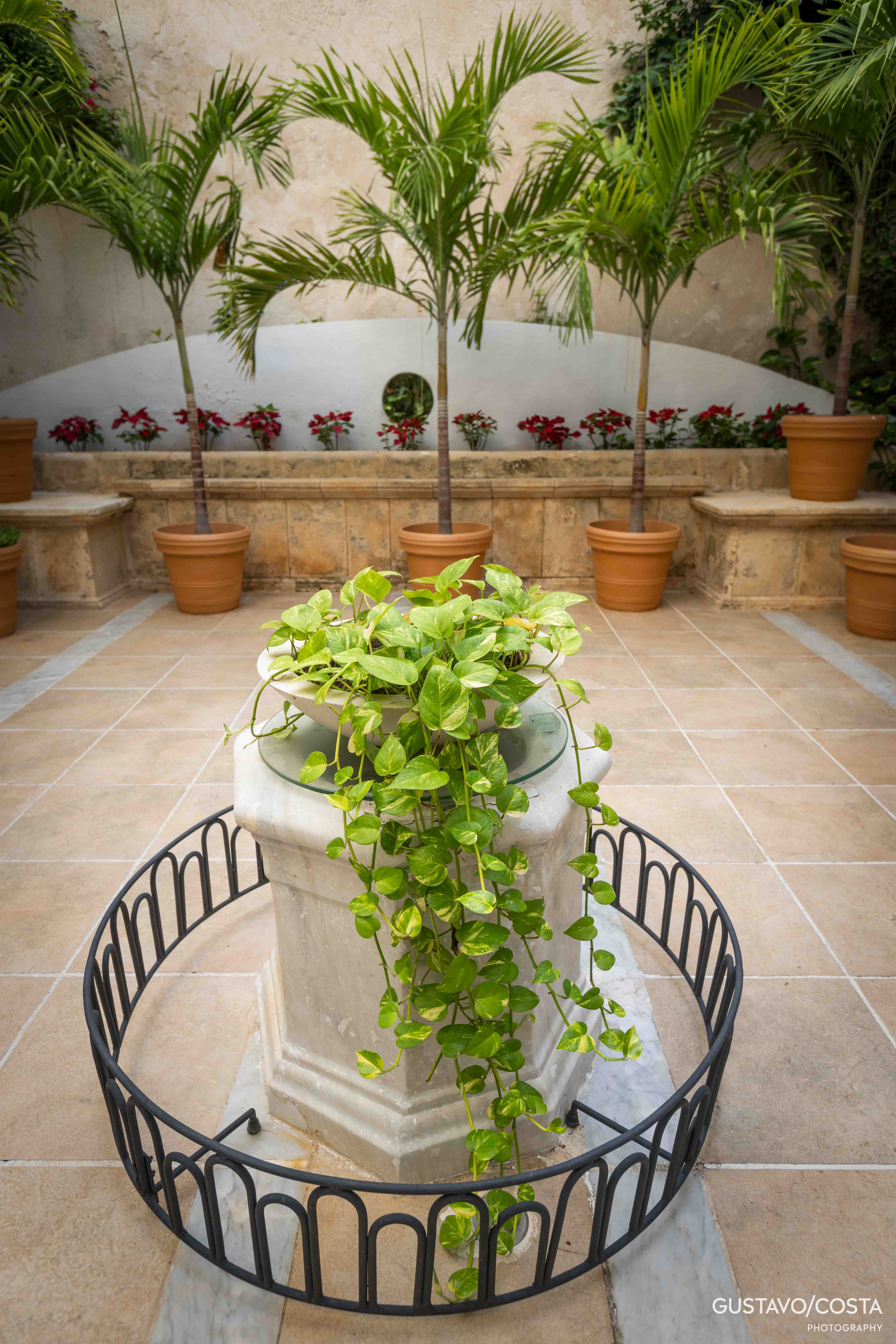
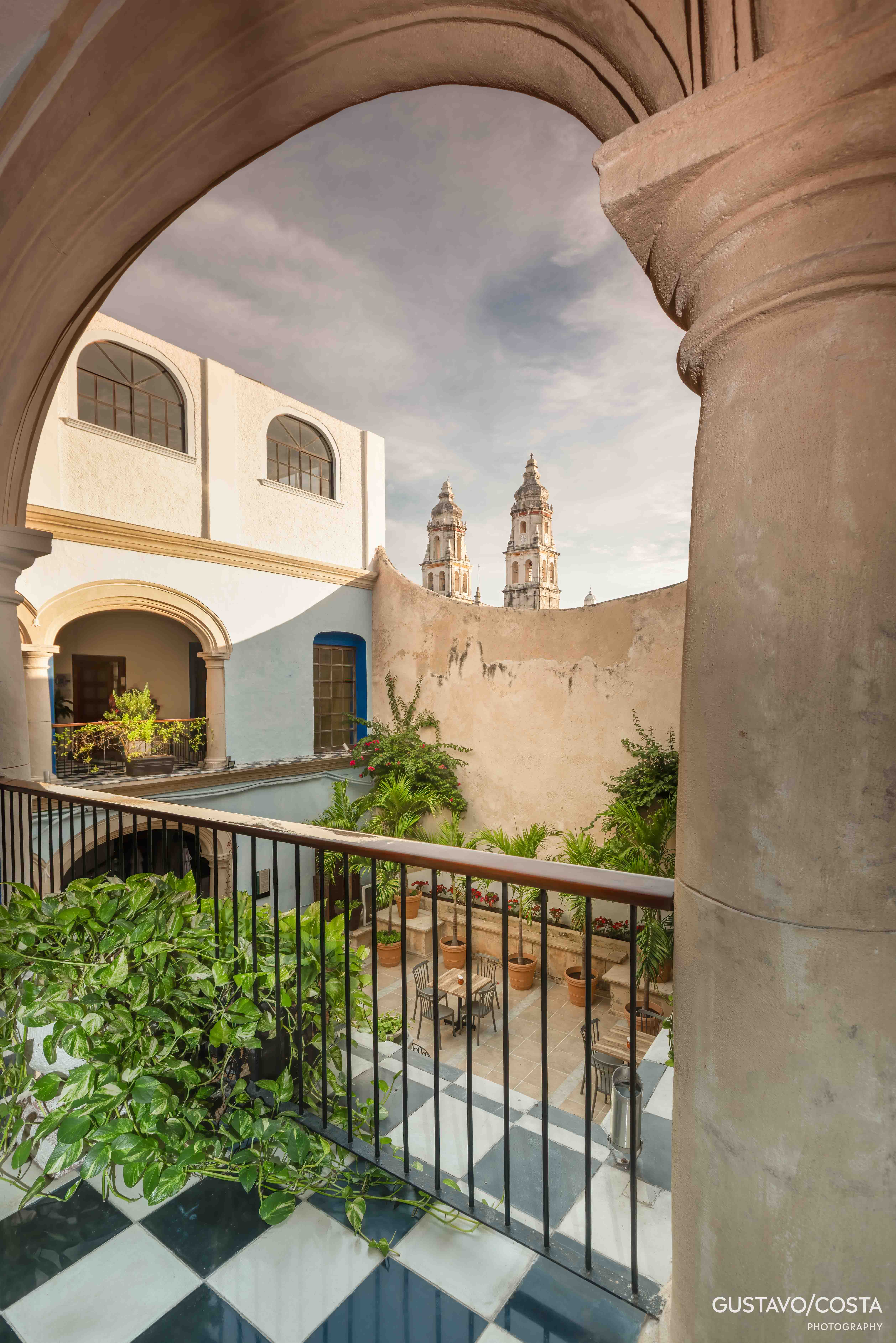
Step inside and you find a central courtyard that keeps the character of the great Campeche townhouses: columns, filtered light, greenery and a silence that contrasts with the bustle of the plaza a few steps away. It is the same spatial grammar we unpack in our guide to Campeche's colonial architecture: thick walls that temper the heat, the courtyard as the lung of the house, and a patina that is not concealed but worn like a hard-earned medal. Today that courtyard houses a dining space, proof that in Campeche heritage is not frozen behind glass: it goes on being lived in.
| Era | Use of the building |
|---|---|
| 16th to 18th centuries (until 1776) | Administrative complex of the town: Jail, Audiencia, Alhóndiga and Casa Real |
| Late 18th and 19th centuries | Private residence; tradition places the birth of Pedro Sainz de Baranda here in 1787 |
| 1863 to 1961 | Hotel Cuauhtémoc, lodging for distinguished travelers; tradition adds Empress Carlota in 1865 |
| 1960s | The Moorish arcade of the facade is demolished, under Colonel José Ortiz Ávila's government, to make way for the Portales Revolución; vestiges survive inside |
| Today | Commercial and dining space beneath the arcades, facing the Plaza Principal |
Visiting: the exact corner and what to look for
The Cuauhtémoc Building sits on Calle 10, between Calles 55 and 57, its arcades facing the Plaza Principal of the Historic Center. There is no ticket and no schedule: it belongs to the everyday landscape of the square, steps from the Cathedral of Our Lady of the Immaculate Conception, the Casa Seis cultural center and the Puerta de Mar. Three details worth seeking out:
- The Moorish arches. Step inside the property and look for the indelible vestiges of Andalusian architecture in the arches that still keep the Moorish style.
- The inner courtyard. Step in without hurry. The sequence of entry hall, columns and filtered light is the same one that has ordered Campeche's townhouses for three centuries.
- The scale of power. From the arcades you take in the cathedral, the old Municipal Palace and the sea beyond in a single glance: the triangle of faith, government and commerce that organized the town.
The visit folds naturally into a walking tour of the walled center. With two or three days on hand, our guide to a weekend in the Historic Center arranges plaza, bastions and neighborhoods into a coherent itinerary, and the guide to Campeche's museums completes the historical context a few minutes away on foot.
Sleep a few streets from the Moorish arches, in a restored heritage house inside the walled city.
View the collection →Where to stay: inhabiting the same history
The best way to understand the Cuauhtémoc Building is not to photograph it from the plaza but to inhabit its grammar: the courtyard, the thick wall, the filtered light. The restored houses of our collection sit inside the same walled center, minutes on foot from the Plaza Principal, keeping original courtyards, beams and walls alongside contemporary comfort. To choose your base, staying inside the historic walls explains why location changes everything, and Campeche for architecture travelers reads the whole city as an inhabited museum. The broader context of the city completes the picture.
Frequently asked questions
Where is the Cuauhtémoc Building in Campeche?
On Calle 10, between Calles 55 and 57, with its arcades facing the Plaza Principal of Campeche's Historic Center, beside the corner with Calle 57 and steps from the cathedral.
Who was born in the Cuauhtémoc Building?
Campeche tradition places here the birth of Pedro Sainz de Baranda y Borreyro on March 13, 1787: a sailor who fought at Trafalgar, architect of the surrender of San Juan de Ulúa in 1825 and considered the founder of the Mexican Navy.
Did Empress Carlota stay at the Cuauhtémoc Building?
It is a deeply rooted local tradition, tied to her documented visit to Campeche from December 11 to 16, 1865, when the building was already operating as the Hotel Cuauhtémoc. Another mansion on Calle 57 also claims her stay, so the story belongs as much to the city's history as to its legend.
Can you visit the Cuauhtémoc Building?
Yes. Its arcades and surroundings are freely accessible at any hour, and the inner courtyard now houses a dining space. It is a natural stop on any walk through the Plaza Principal and the walled center.
The next time you walk the crossing of Calle 57 and Calle 10, pause for a moment. Cross the arcades, seek out the vestiges of the Moorish arches inside, imagine the bustle of the Casa Real centuries ago, the lamp of a nineteenth-century hotel flickering on at dusk, and feel how Campeche, quiet but proud, keeps telling its story to anyone who takes the time to listen.
Reviewed and verified in July 2026 by the Casonas MX editorial team in Campeche. Biographical data for Pedro Sainz de Baranda checked against official historical sources (born March 13, 1787); Empress Carlota's visit to Campeche is documented from December 11 to 16, 1865, and her stay in this building is presented as local tradition; the Moorish arcade of the facade was demolished in the 1960s, under Colonel José Ortiz Ávila's government, to build the Portales Revolución. We restore and inhabit heritage houses inside the walled city.
Planning your trip? Write to us on WhatsApp and we will send you Campeche in 72 Hours, our pocket guide, free of charge.
Receive the guide on WhatsApp →