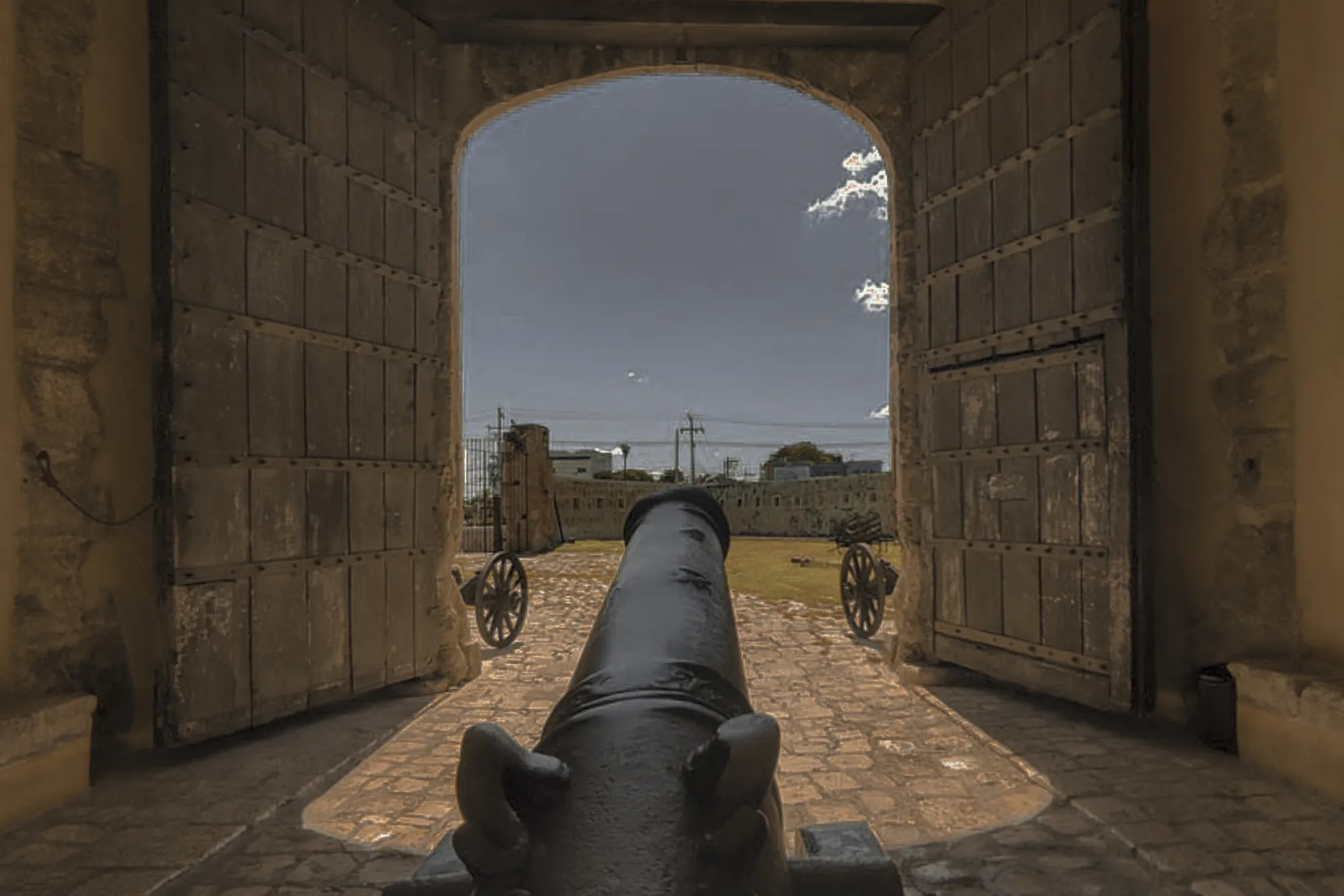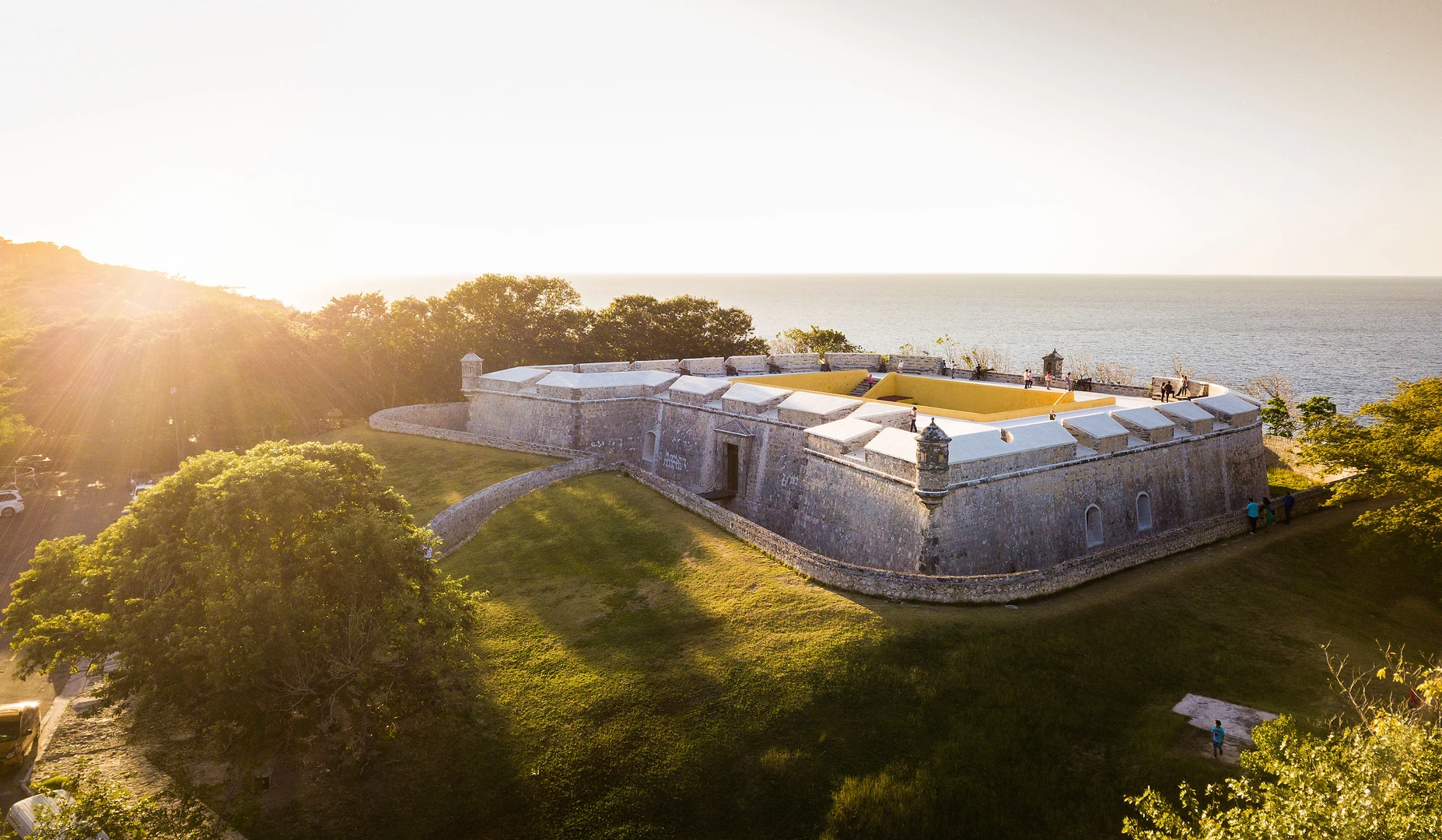
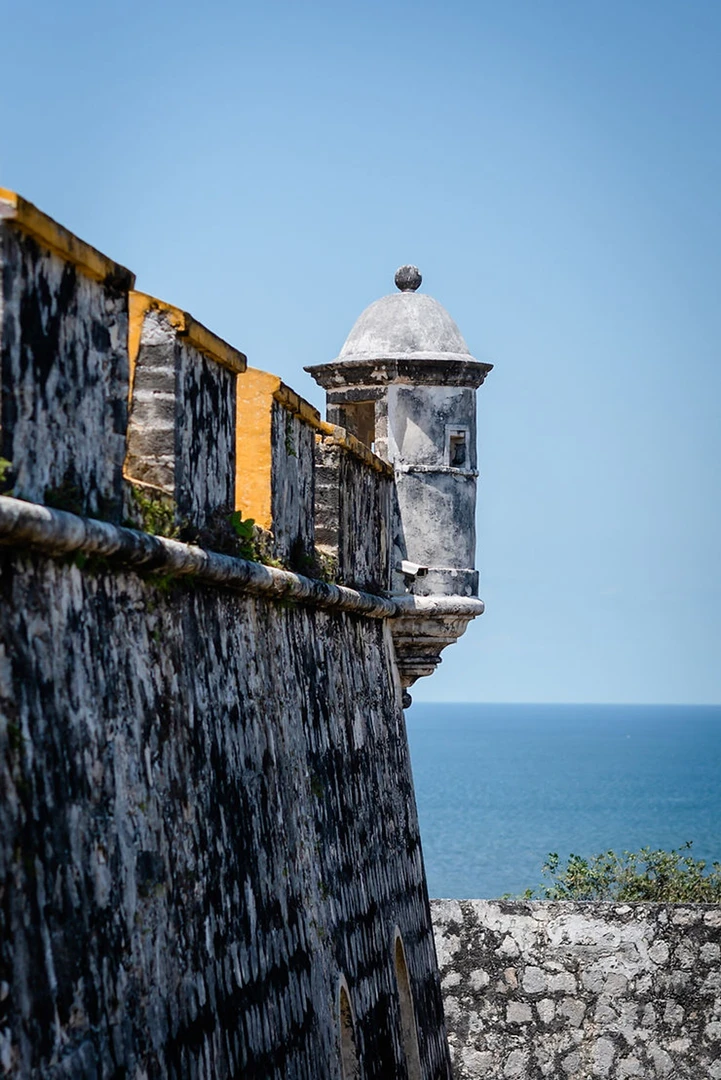
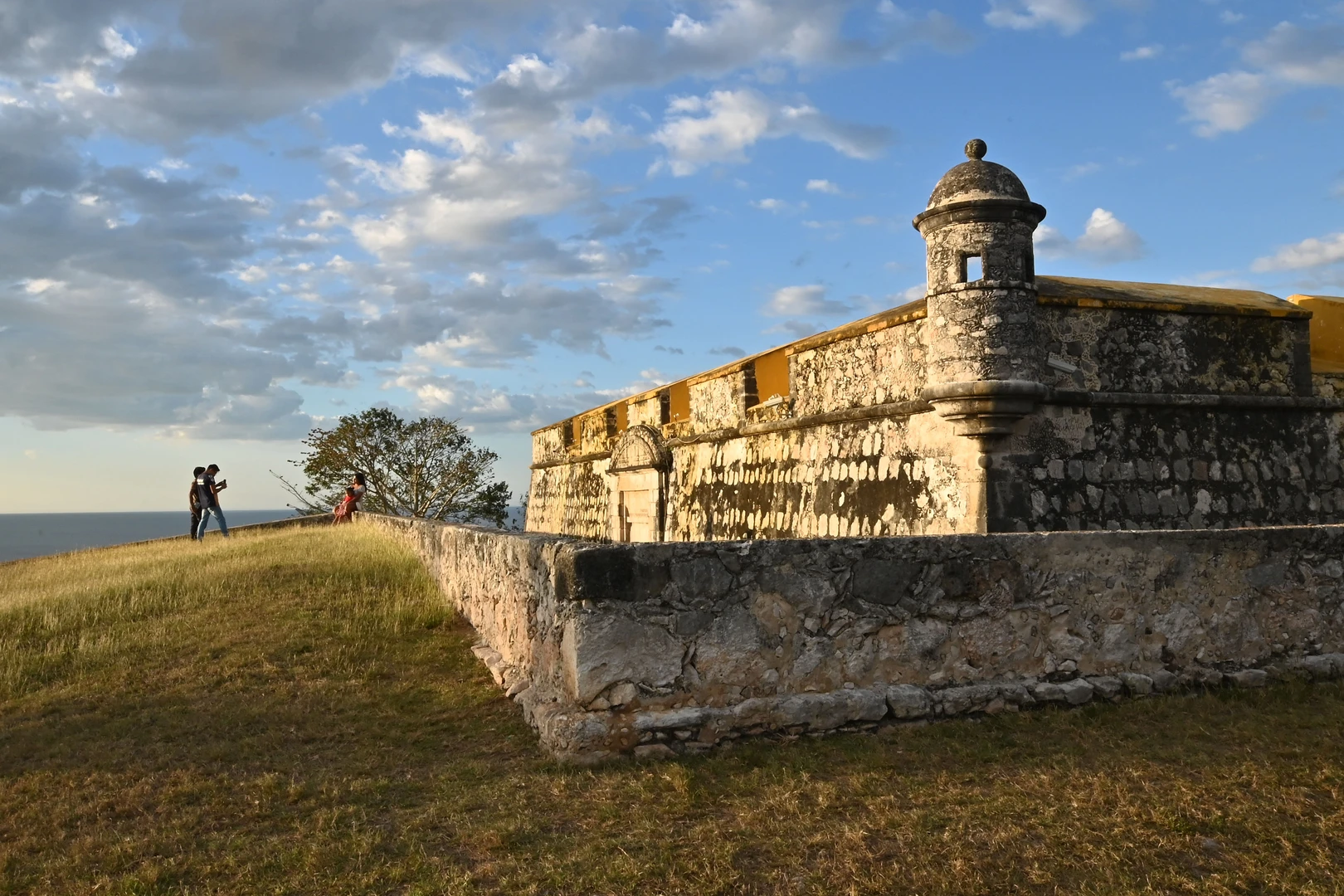
To reach Fort San Miguel, you leave the walled city and climb. The fortress crowns one of the hills around Campeche, and that position is the whole point: from up here, its guns commanded the approaches the wall alone could not cover.
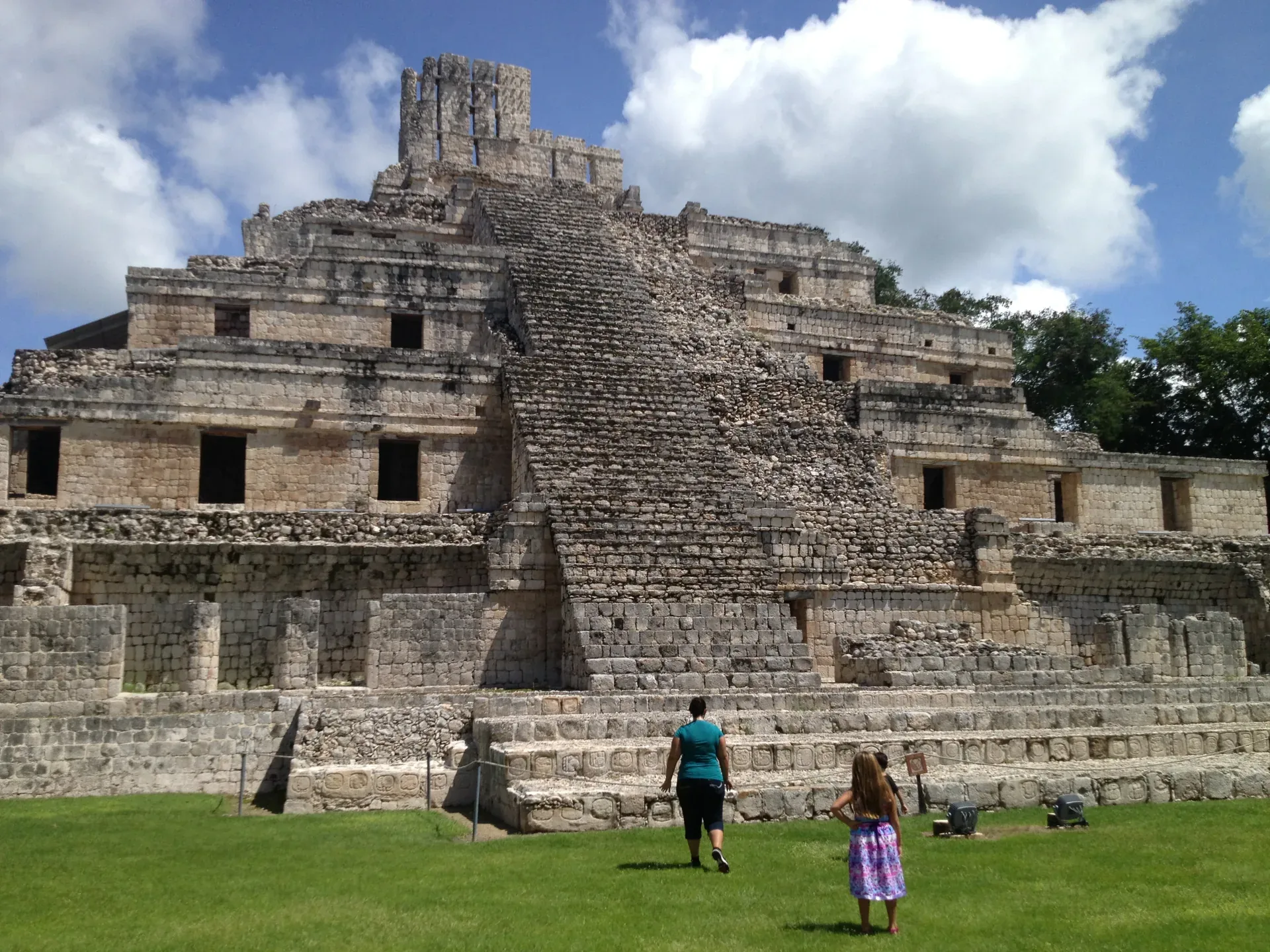
Within its walls is INAH's Museum of Maya Archaeology (Museo de Arqueología Maya), with pieces from Calakmul, Jaina Island, Becán and Edzná.
A fort, not a bastion
People often mix them up. The bastions are the projecting corners of the wall around the historic center, and seven still stand. San Miguel is something else: a separate fortress, built outside the walls, on the hill.
Campeche's defenses went up in three stages. First came isolated defenses; then the wall, with its bastions and gates; finally, a system of forts and batteries on the heights and along the coast, completed around 1793. San Miguel belongs to that last stage, as does Fort San José el Alto. To explore the bastions one by one, see our guide to the city walls and bastions.
The two hilltop forts
San Miguel and San José el Alto watch over the city from different hills, and both now house INAH museums. San José el Alto, once the Museum of Ships and Arms, has been home since December 2017 to the Museum of Underwater Archaeology (Museo de Arqueología Subacuática), devoted to submerged cultural heritage and the history of navigation. Visiting both rounds out the picture of the city's defensive system.
History: a fortress from the last quarter of the 18th century
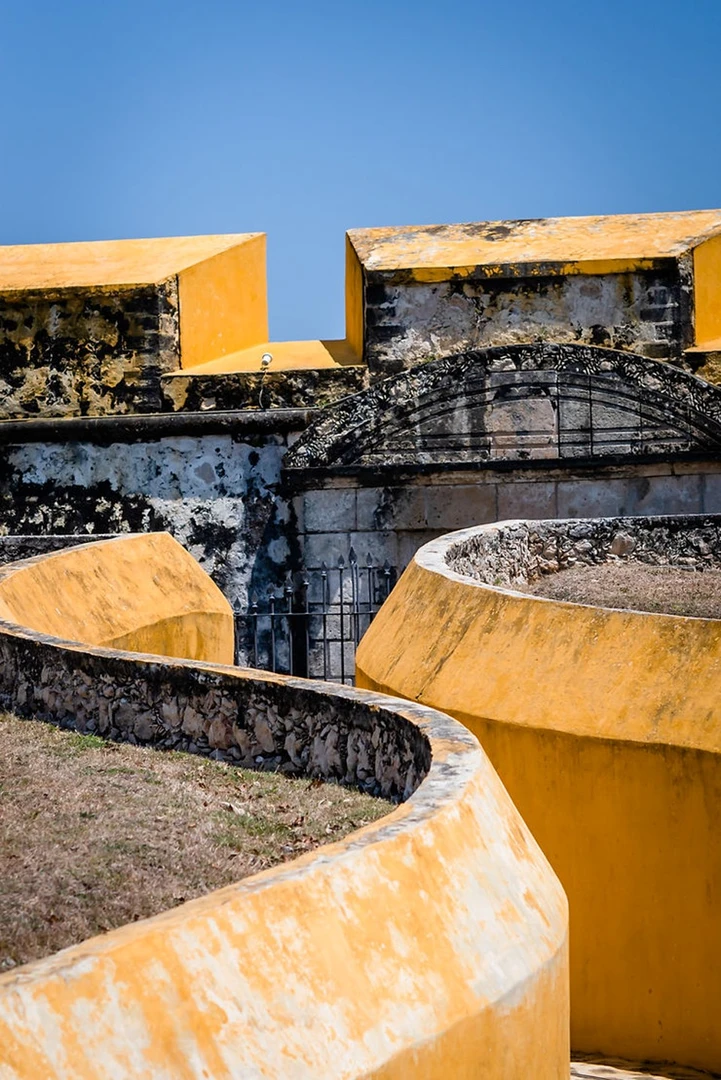
The design was by the engineer Agustín Crame and was presented in 1779. In 1801, the engineer colonel Juan José de León altered the layout: he added two small bastions to protect the gate and completed the glacis and the escarpment. These are the slopes around the fortress: open, sloping ground that forced any attacker to climb in full view of the defenders, with nowhere to take cover.
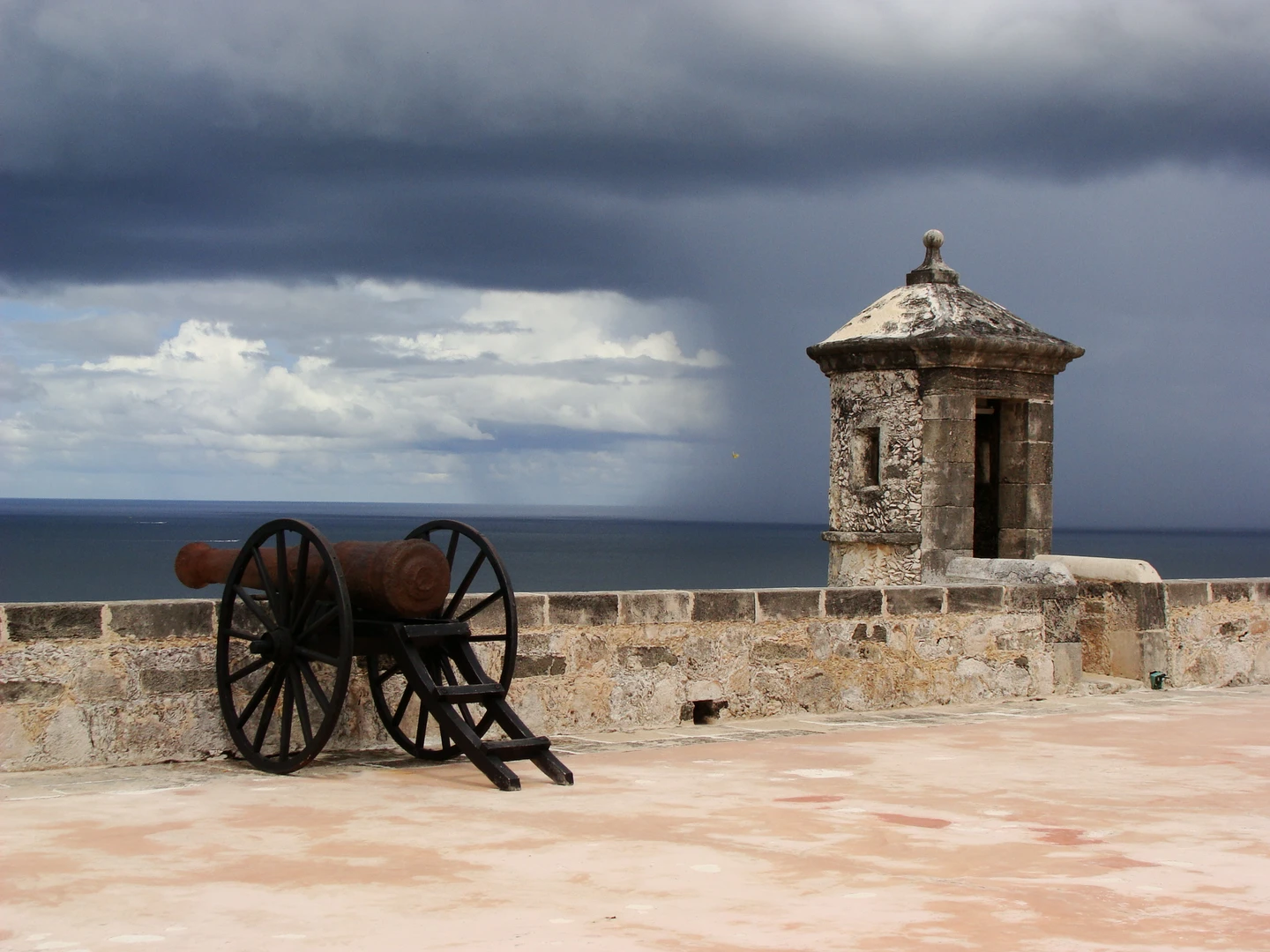
From the hill, its artillery covered the approaches to the city that lay beyond the wall's reach.
From fortress to museum
Its life as a museum began in 1963, as the Museum of Arms and Seafaring (Museo de Armas y Marinería). In 1978 it became the Museum of Maya Archaeology, and in 1999 it was renovated again, with a new museum design.
The Museum of Maya Archaeology: what to see
The museum's strength is its range: it brings together pieces from archaeological sites across the state. A single visit gives you an overview of Campeche's Maya world, useful before or after a trip to Edzná or Calakmul. INAH's official listing highlights:
- the funerary figurines from Jaina, an artificial island off the Campeche coast;
- Stela 9 from Calakmul, whose inscriptions record a ruler and his wives;
- a platter with an iguana lid and a bowl with a Black Jaguar lid, from Becán;
- a drum-shaped sculpture bearing the image of a queen, from Edzná.
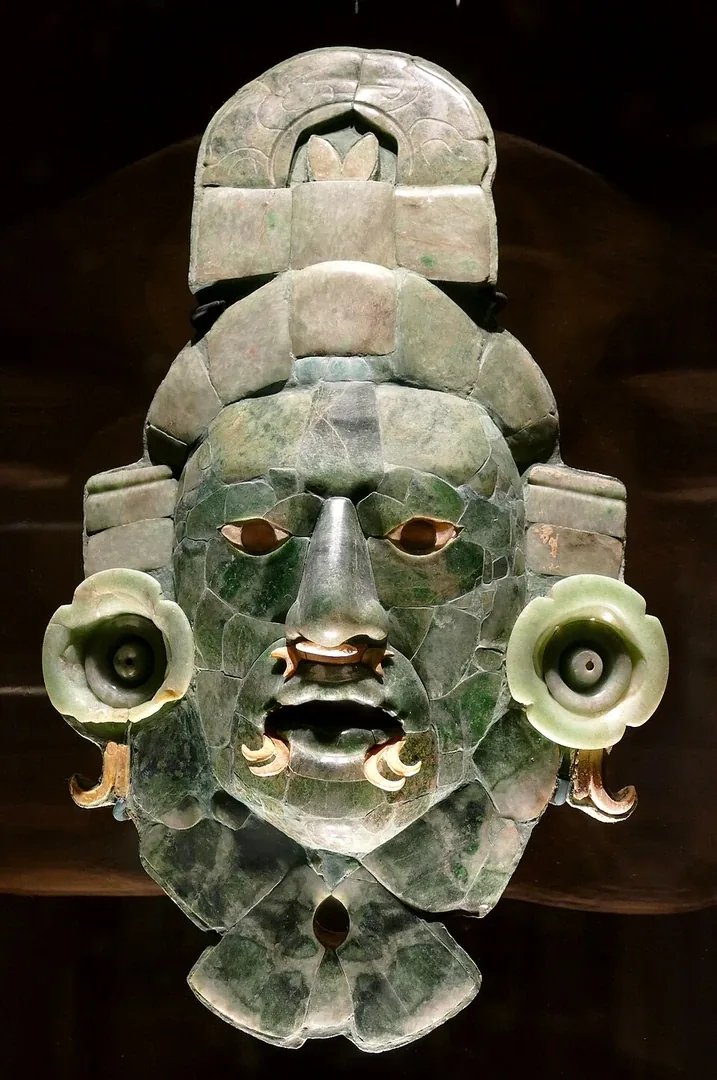
The collection also includes jade funerary offerings from the tombs of Calakmul's rulers. Galleries change over time, so ask at the museum which pieces are on display.
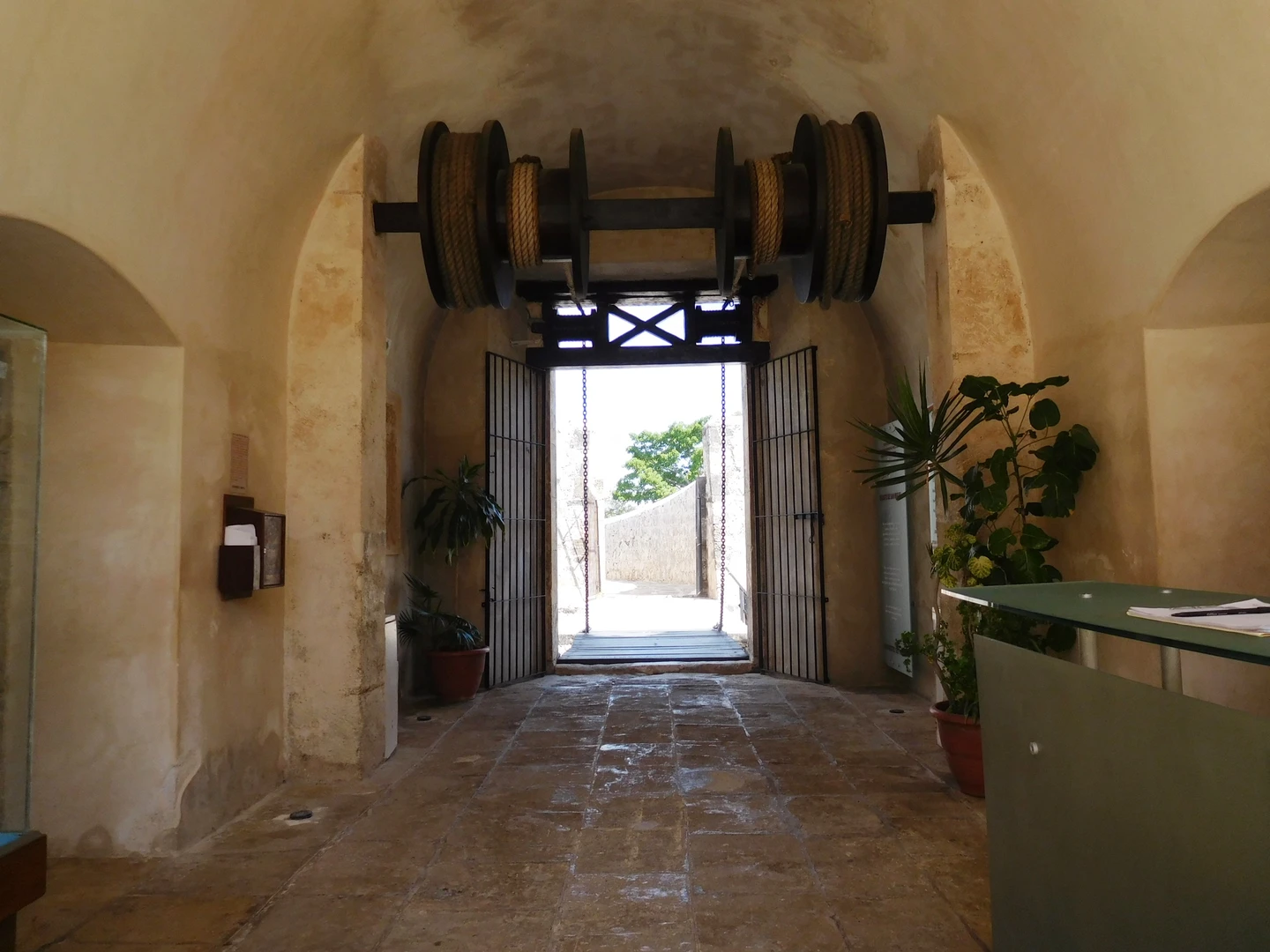
What about the Calakmul jade mask?
Don't look for it here. Since December 2024, the famous funerary jade mask of Calakmul has been on display at the Museum of Maya Architecture (Museo de Arquitectura Maya), inside the Bastion of Nuestra Señora de la Soledad, in the heart of the historic center. The two museums complement each other, and our guide to Campeche's museums explains how to combine them.
Planning your visit
Information from INAH's official listings, checked on November 7, 2026. It may change, so confirm before you go.
- Opening hours: Tuesday to Sunday, 8:00 a.m. to 5:00 p.m. Closed on Mondays.
- Admission: MXN 145 general admission; MXN 80 for Mexican nationals and for foreigners residing in Mexico.
- Free admission, according to INAH's listing: on Sundays for Mexican nationals, and for children under 13, students and teachers, and seniors. Ask at the ticket office about the requirements in each case.
- Cameras: professional cameras carry an extra fee.
- Address: Carretera Escénica, Zona Centro, 24030 San Francisco de Campeche.
Set aside a morning to explore the fort and the museum at an easy pace and, if you can, arrive early, before the midday heat.
Getting there from the historic center
The fort sits outside the walled precinct, at the top of the hill. The easiest option is a short ride by taxi or car.
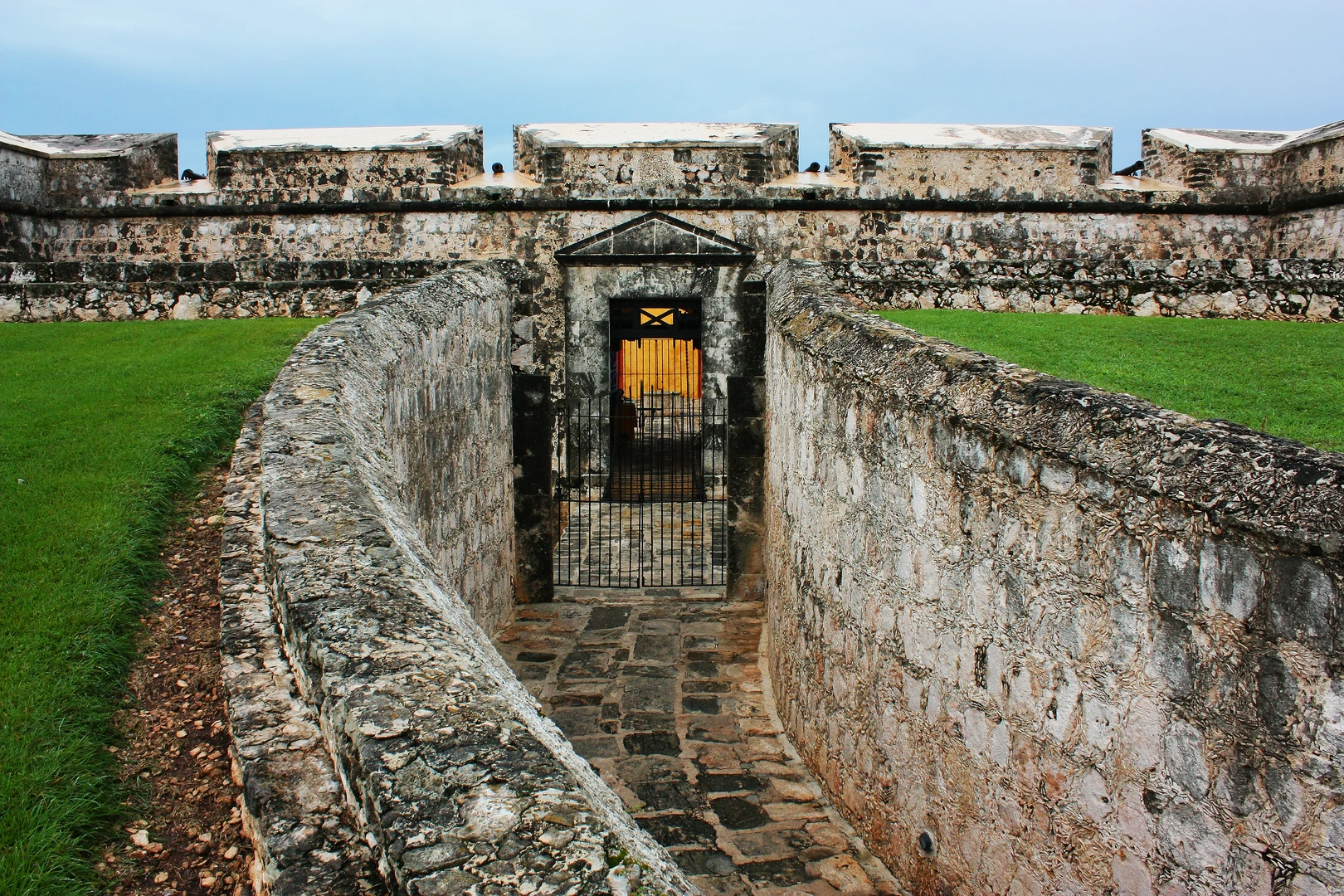
Seeing it on a private tour
If you would rather not arrange the ride yourself, the private city tour has a five-hour version by vehicle that reaches the forts and the hilltop lookouts. It starts at your front door, with a certified guide, from USD 85 as a reference rate. The two-hour walking tour, by contrast, stays in and around the walled precinct and does not go to the fort. You will find the formats under tailored stays.
Frequently asked questions
Where is the Calakmul jade mask?
At the Museum of Maya Architecture, in the Bastion of La Soledad, not at Fort San Miguel.
What are the opening hours of the Fort San Miguel museum?
Tuesday to Sunday, 8:00 a.m. to 5:00 p.m. (INAH, checked November 7, 2026).
How much is admission?
MXN 145, or MXN 80 for Mexican nationals and residents of Mexico. Free for Mexican nationals on Sundays (INAH, November 7, 2026).
Is Fort San Miguel a bastion?
No: it is a separate fortress, on a hill outside the walls.
How long does a visit take?
A morning is enough for the fort and the museum.
How is it different from Fort San José el Alto?
Both are hilltop forts; San José el Alto houses the Museum of Underwater Archaeology.